Quick answer
A water softener removes hardness minerals, calcium and magnesium, by swapping them for sodium on a resin bed, so scale stops forming on fixtures, water heaters, and shower glass. A whole-house filter is a mainline housing with a cartridge that catches sediment, rust, and chlorine taste, but it does not lower your hardness number. Different problems. Homes that need both put the filter first and the softener second.
What each system actually does
Both boxes bolt onto the same cold-water main, both cost real money, and both get sold with the phrase “treats your water.” A filter doesn’t touch hardness, and that mismatch is how somebody ends up with a $250 filter and the same spotted shower door they had last month. The table below is the short version.
| Job | Whole-house filter | Water softener |
|---|---|---|
| Hardness (calcium, magnesium) | No — will not lower gpg | Yes — ion exchange |
| Sediment, sand, rust flakes | Yes — sediment cartridge | No |
| Chlorine taste and odor | Yes — carbon cartridge | No |
| Iron, low to moderate | Partial — depends on cartridge | Partial — needs iron-rated resin |
| Scale on fixtures and heaters | No | Yes |
| Lead and PFAS at the tap | Only with a specialty cartridge | No |
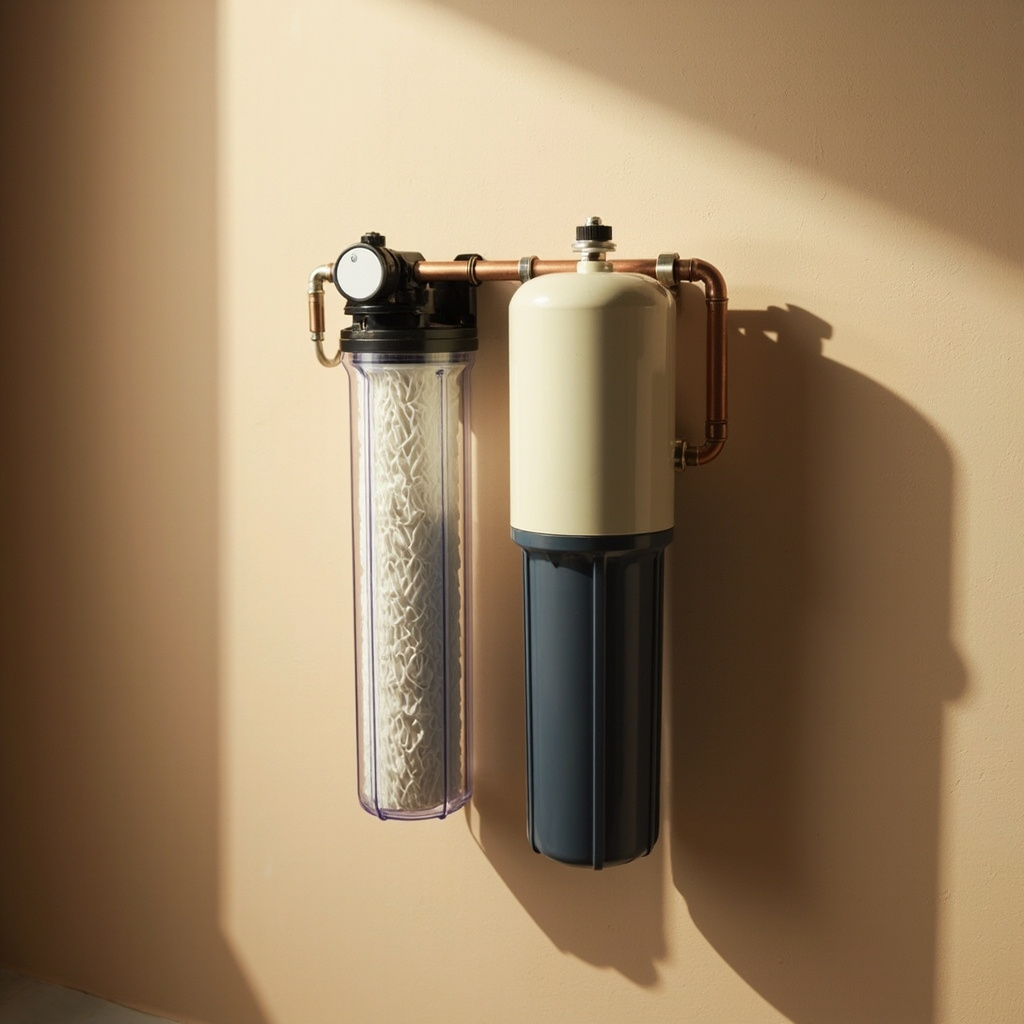
One line worth memorizing: a filter changes what is floating in the water, a softener changes the mineral content, and reverse osmosis polishes drinking water at a single tap. If you also want bottled-quality water at the kitchen sink, softener vs RO vs whole-house filter covers the three-way version. On this page it’s a two-system decision.
Everything below depends on one number: grains per gallon. If you have never tested, start with what water hardness levels mean and get a strip in the water before you shop.
Whole-house filter
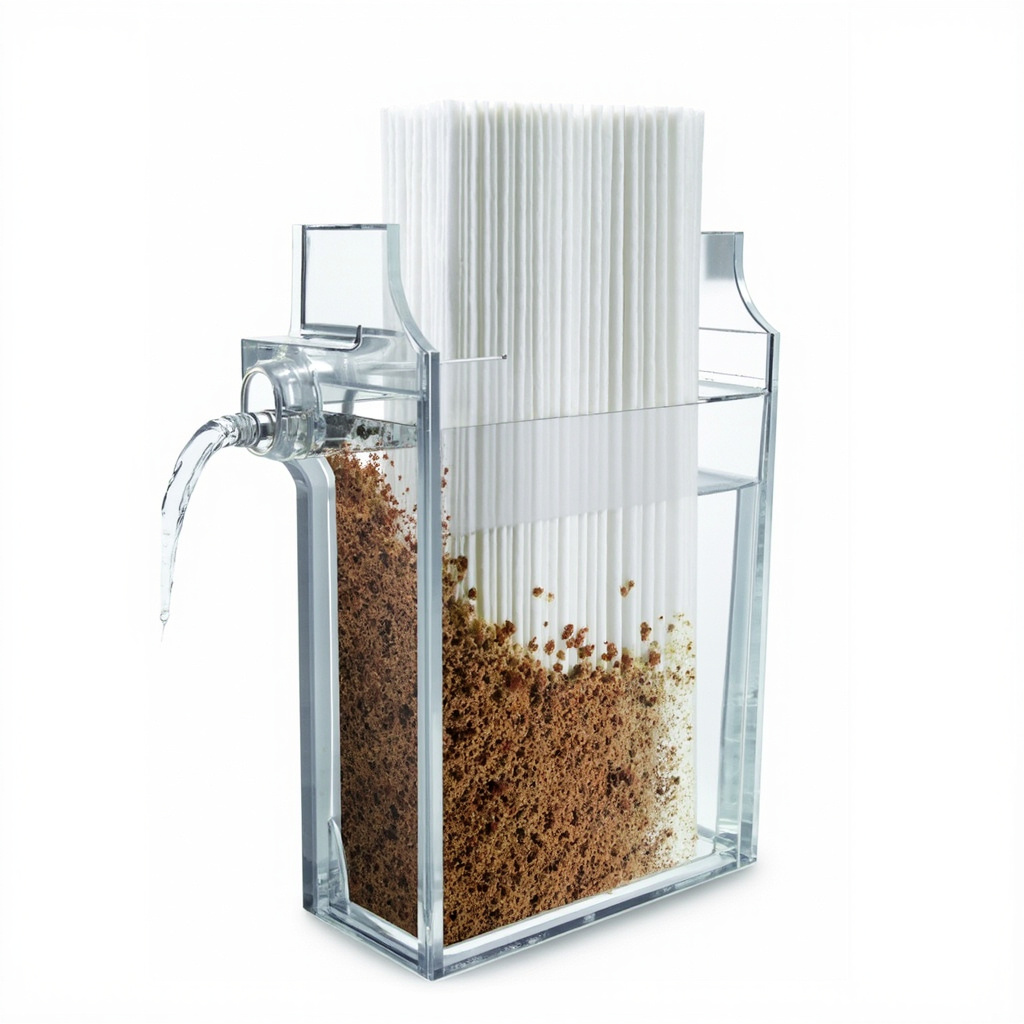
A whole-house filter is a housing at the main line holding a replaceable cartridge. Three cartridge types cover most homes: sediment (dirt, sand, rust, cheapest), carbon block (chlorine taste and odor, some organics), and a combo cartridge that does both in one housing. Standard 10-inch housings fit most homes; the wider 4.5-inch “big blue” bodies give more flow and longer cartridge life for more money.
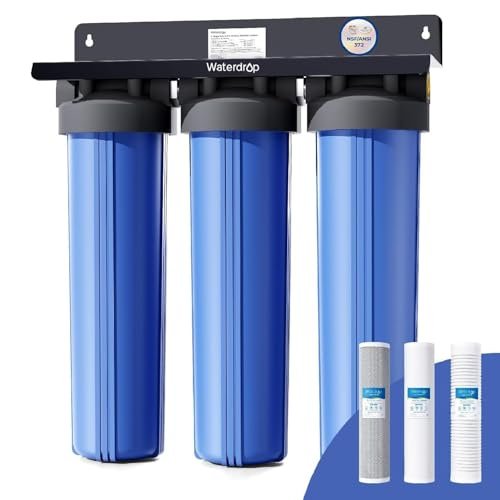
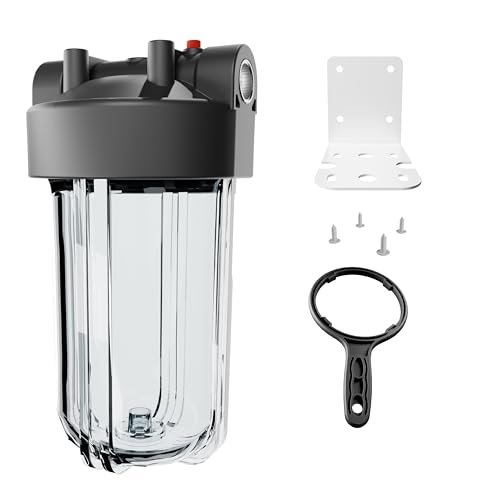
If you want one box that arrives ready to plumb, the Waterdrop WHF3T-PG 3-stage whole-house filter stacks sediment and two carbon stages. If you would rather pick your own cartridge and swap types by season, a single clear 10-inch filter housing does the job for a lot less. Cartridge choices are broken down in the whole-house filter cartridge guide, and housing sizes in whole-house filters explained.
What it removes, and what it does not
Removes: sediment, sand, rust, chlorine taste and odor, some organics with carbon, some iron with an iron-rated cartridge. Does not remove: calcium, magnesium, lead or PFAS without a specialty cartridge, or bacteria.
- Skip a filter if your only complaint is white crust on the faucet and a shower door that fogs two days after cleaning. That’s hardness, and no sediment or carbon cartridge touches it.
- Don’t buy a $65 housing expecting it to replace a softener. Same pipe, different job.
Maintenance and five-year cost
Swap sediment cartridges every 3 to 6 months and carbon every 6 to 12, sooner on well water. Budget $80 to $240 over five years for cartridges, which puts a filter-only setup around $120 to $340 all in. A clear housing helps here, since a see-through filter body shows a brown cartridge before your water pressure drops enough to notice.
Water softener
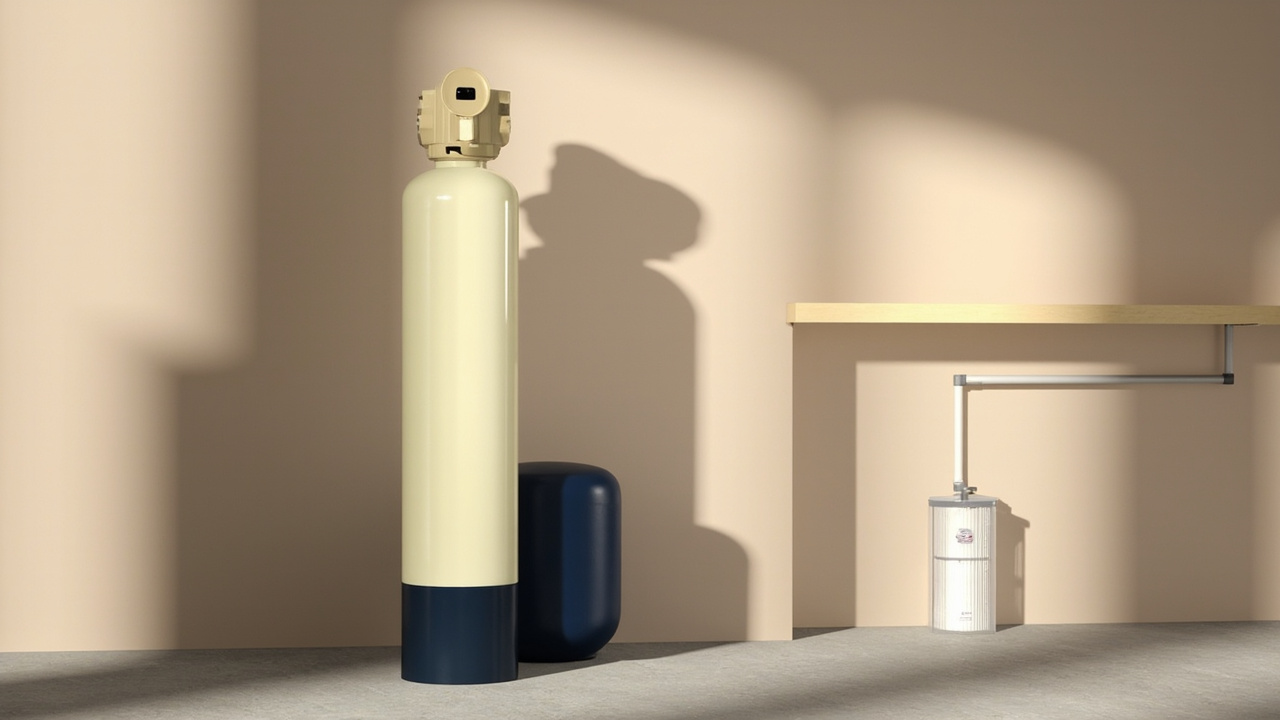
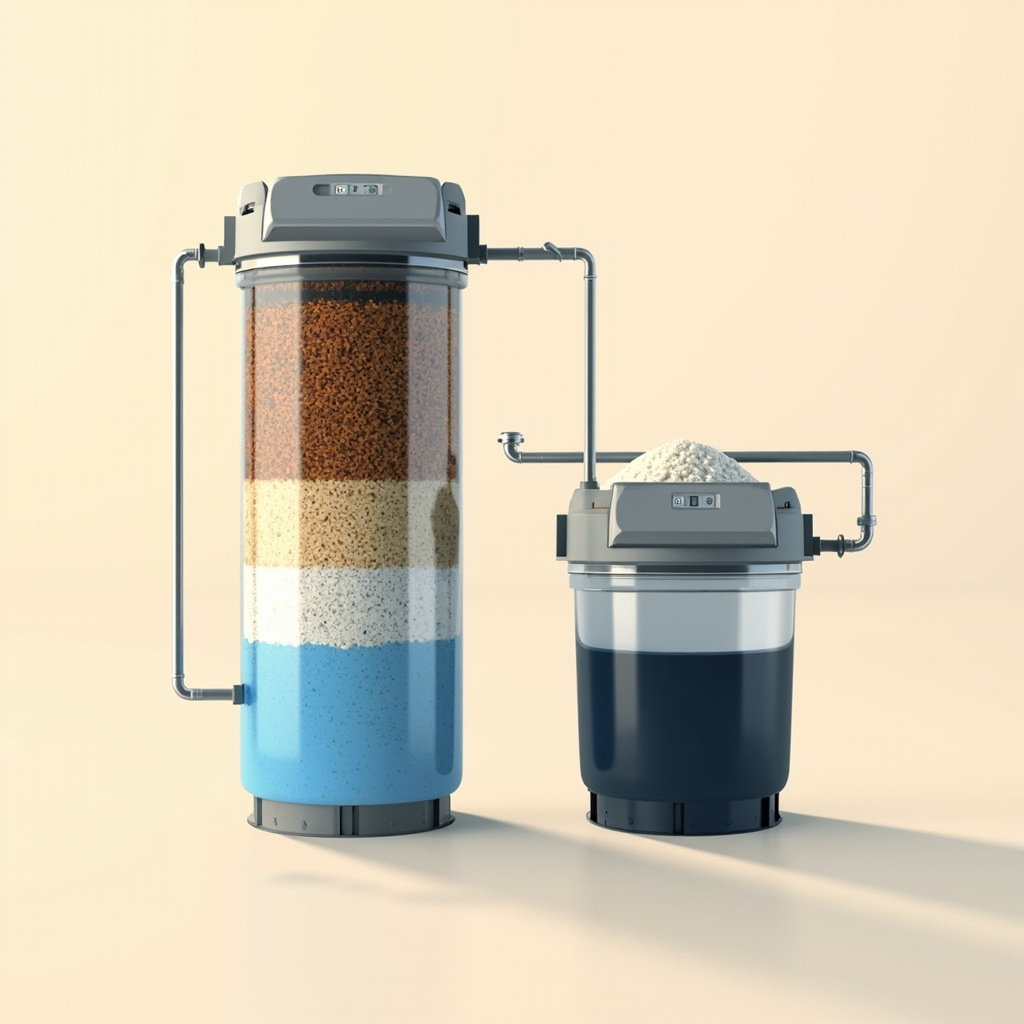
A softener is a tank of resin beads that trade calcium and magnesium for sodium. Soap lathers again, scale stops building inside the water heater, and the glass stays clear longer between cleanings. The full mechanism is in how water softeners work, including why the unit regenerates at 2 a.m.
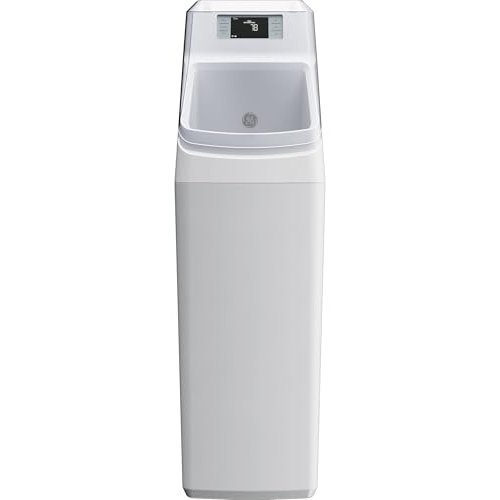
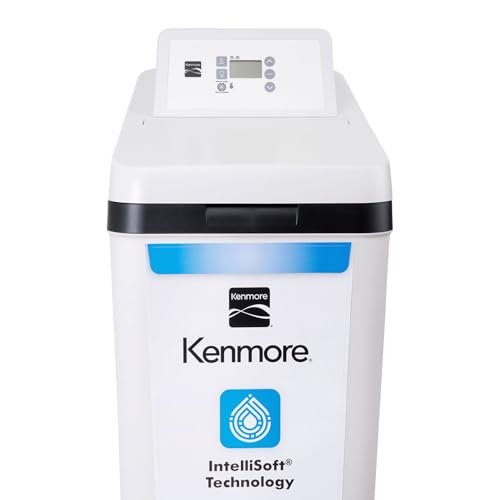
Sizing is by grain capacity. For most 1 to 3 bathroom homes, a metered 35K unit like the GE 35,000 grain smart softener has room to spare. Three to four bathrooms, or harder water, and you want the headroom of a 40,000 grain softener with demand-initiated regeneration. Sizing is a starting point, not a guarantee — run your own numbers with the softener size calculator or the walkthrough in how to choose a water softener.
What it removes, and what it does not
Removes: calcium and magnesium, plus small amounts of iron with iron-rated resin. Does not remove: sediment, chlorine, lead, PFAS, fluoride, or bacteria. Ion exchange also leaves a small amount of sodium in the water. If someone in the house is on a strict sodium-restricted diet, ask their clinician about drinking softened water. We do not give medical advice.
- Skip a softener if your water tests at or below 3 gpg. You won’t feel a difference worth the salt and the drain line.
- Don’t buy a softener to fix orange staining or a rotten-egg smell. That is iron or sulfur, and it wants a well iron filter ahead of the softener, not a bigger resin tank.
Salt and resin maintenance
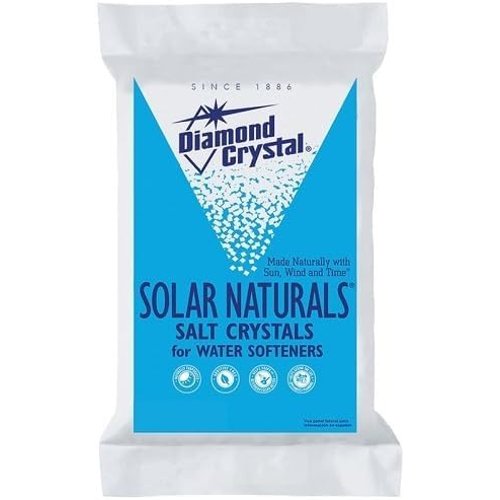
Most homes go through 3 to 4 bags of salt a year, refilled every 6 to 8 weeks. Solar salt crystals leave less residue in the brine tank than rock salt, which means fewer cleanouts and less grit reaching the valve. Add resin cleaner every 4 to 6 months, check the brine tank once a year, and expect the resin bed itself to last 10 to 15 years. Five-year consumables land around $400 to $700; the whole softener path runs $900 to $2,200. Salt grades are compared in water softener salt types.
The order matters if you install both
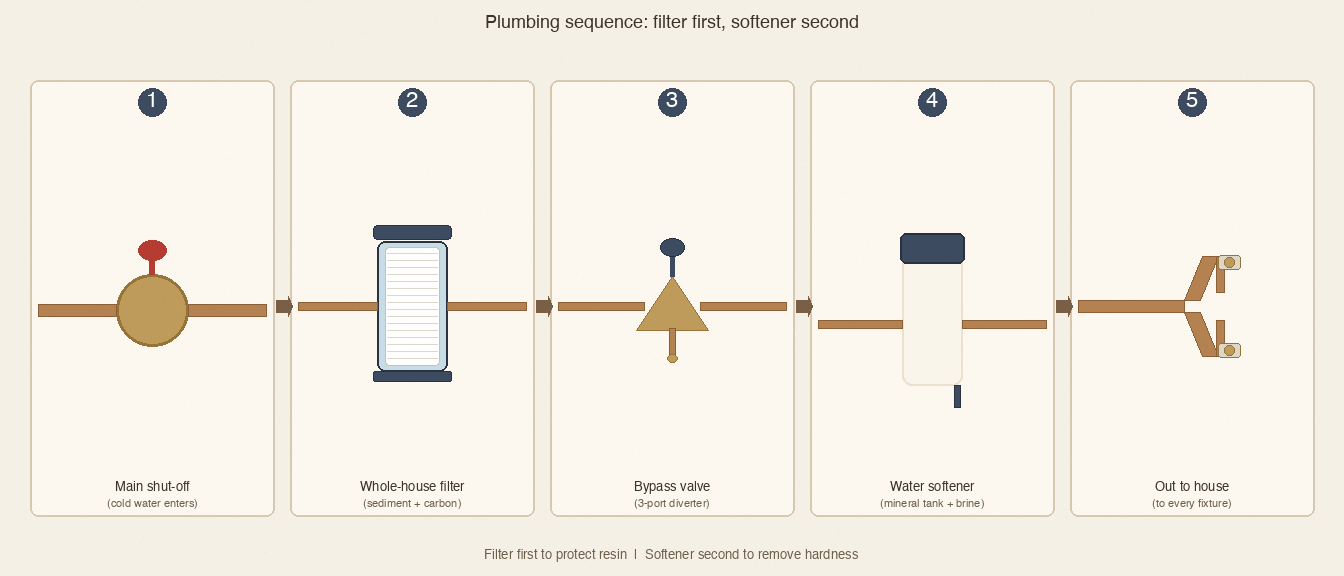
If both units go in, sequence isn’t a preference. Sediment scours resin beads and packs the top of the bed; chlorine slowly breaks the resin down. Send that water through the filter first and the softener inherits a much easier job.
Filter first
Put the housing on the main line ahead of everything else, right after the shut-off. It catches grit and chlorine before either can reach the resin, which is the difference between a resin bed that lasts 12 years and one that gives up at 7. On well water this is the whole reason the filter exists. A 3-stage sediment and carbon system does both stages in one body if you would rather not plumb two housings.
Softener second
The softener sits downstream of the filter and upstream of the fixtures, with its bypass valve accessible. Feed it pre-filtered water and regeneration cycles get more predictable. Combo units that put both stages in one cabinet exist, but you’ll find two separate units far easier to service when one part fails.
- Don’t plumb the softener ahead of the filter to save two feet of pipe. You are trading resin life for pipe fittings.
- Don’t skip the pre-filter if you are on a well. Sand and iron flakes will foul a resin bed in a couple of seasons.
Who should pick what
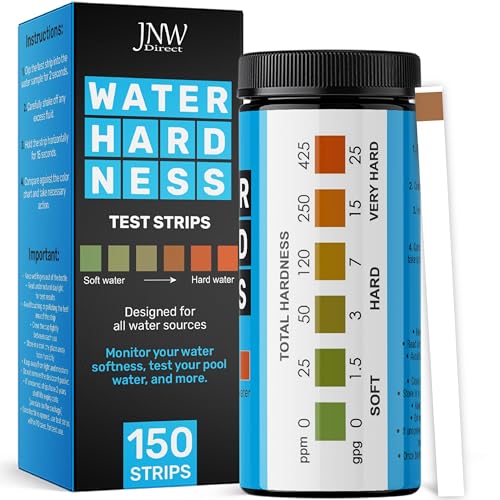
Start with a number, not a brand. A pack of water hardness test strips costs under $10 and settles the argument in 30 seconds; the options are compared in hardness test kits. Then match your result to one of these four.
City water, no scale — filter only
Below 3 gpg with clean glass and no crust on the aerator. A carbon cartridge for chlorine taste is the only upgrade that pays off here, and a single clear housing handles it. Five-year cost: $120 to $340.
City water with scale — softener required, filter optional
Hard water without much sediment, since the treatment plant already handled that. A 35K grain metered softener fixes the scale; the filter becomes a taste upgrade rather than a requirement. Five-year cost: $900 to $2,200 for the softener path.
Well water with scale — both, filter first
Above 7 gpg plus visible sediment or staining. The filter catches the sand and rust, the softener handles hardness, and neither substitutes for the other. Five-year cost: $1,000 to $2,500.
Above 10 gpg — softener, no debate
Very hard by the USGS scale, and it works through water heaters, dishwashers, and showerheads faster than most people expect. Size up to a 40K grain unit or a twin-tank setup. A filter is a nice extra, never the fix.
- Skip the salt-free shortcut if you want the strip to read lower. Salt-free conditioners change how scale sticks, and many owners like them, but they usually do not bring hardness grains down on a test. Salt vs salt-free has the honest comparison.
Common mistakes
- Buying a filter and expecting soft water. Sediment and carbon cartridges do nothing to dissolved calcium. If your strip reads above 7 gpg, a filter is the wrong purchase.
- Plumbing the softener ahead of the filter. Sediment and chlorine go straight into the resin tank. Resin that should last 12 years starts fading at 6 to 8.
- Skipping the hardness test. A 150-strip hardness test kit runs under $10 and stops a $700 mistake. Plenty of city supplies come in under 5 gpg and didn’t need a softener at all.
- Under-sizing the softener. A 32K unit on 15 gpg water with four bathrooms regenerates every four or five days, burns salt, and wears the valve. Match capacity to gpg times daily gallons, not to the price tag.
- Ignoring salt type and brine tank upkeep. Solar salt leaves less sediment than rock salt. Skip iron-fighting blends unless you actually have iron, and clean the tank once a year.
Safety and limits
- Shut off the water and relieve pressure before opening any filter housing.
- Do not force fittings. Plastic housings crack when overtightened, and the housing wrench exists for a reason.
- Softener drain lines have to meet local code, including an air gap where required.
- Softened water carries more sodium. Sodium-restricted diet in the house means a conversation with a clinician, not with us.
- Keep salt, cleaners, and cartridge sanitizer away from kids and pets.
When to call a pro
Keep it DIY for: running a hardness test, swapping a cartridge, setting the control head, adding salt, breaking a salt bridge.
Call a licensed plumber for: cutting into the main, relocating either unit, running a new regeneration drain line, soldering near the shut-off, or any control board fault a reset does not clear. Well pump and pressure tank work belongs to a well contractor.
We do not rank installer directories or sponsored local-service lists.
Related
- Whole-house filters explained — housing sizes, flow rates, and which cartridge type fits your problem.
- How water softeners work — ion exchange, regeneration cycles, and sizing math.
- Whole-house filter cartridge guide — replacement intervals and five-year cartridge cost.
- Softener vs RO vs whole-house filter — the three-way version if you also want drinking water polished at the tap.
- Water hardness levels — gpg and ppm cutoffs, and where your number lands.
- What is hard water — the starting point if you are not sure hardness is your problem at all.
- Reverse osmosis under the sink — what neither of these two systems does for drinking water.
Key takeaways
- A filter and a softener are not competitors. One catches sediment and chlorine, the other removes calcium and magnesium, and neither covers the other’s job.
- Above 7 gpg you need a softener. A filter alone will not stop scale, no matter what the box says.
- Install both and the order is fixed: filter first, softener second. Backwards costs you resin life.
- Test before you buy. A hardness test strip is under $10 against a $700 decision.
- Five-year cost: roughly $120 to $340 for a filter, $900 to $2,200 for a softener, $1,000 to $2,500 for both.
- Neither one removes lead, PFAS, or bacteria. For drinking water, that is an RO or a certified cartridge at the tap.