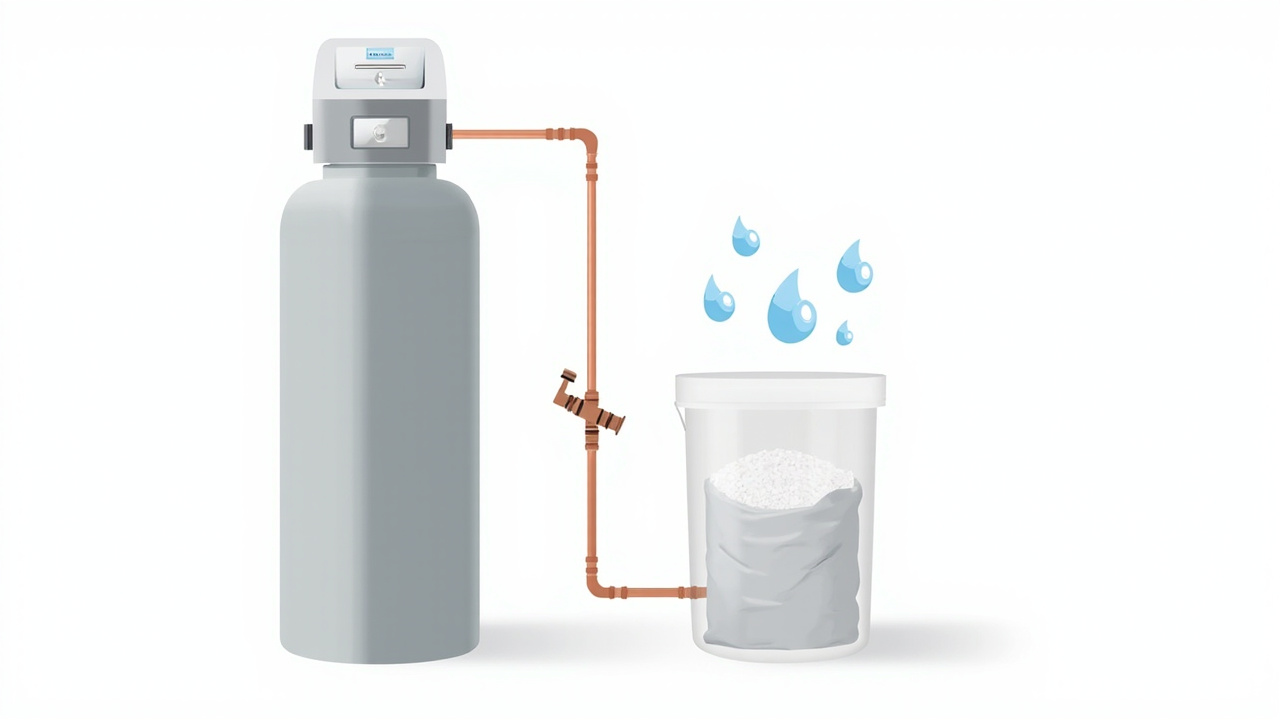
If the shower door fogs white two days after you scrub it, you don’t need a stronger cleaner. You need a hardness number in grains per gallon (gpg). Guessing a 64,000-grain unit from an ad is how people still get spotting, scale, and a softener that sits unused because it was the wrong size for the house. Below is a three-step path: test first, size correctly, then filter features.
Quick answer
To choose a water softener, answer three questions in order. First, do you need one — test hardness with $10 strips and confirm you are above 7 gpg. Second, size it: multiply daily water use (people × ~75 gallons) by your hardness in gpg, then by days between regenerations. Third, compare features: metered regeneration, resin volume, and an iron rating matching your supply. Skip any “top 10” list that ignores your actual gpg.
Do you need a softener? (test first)
What hardness actually means
Hardness is dissolved calcium and magnesium, measured in grains per gallon (gpg) or parts per million (ppm). One gpg equals 17.1 ppm. The USGS classifies water as soft at 0–3 gpg, moderately hard at 3–7, hard at 7–10, and very hard above 10 gpg. About 85% of US homes draw hard water per USGS survey data, but “hard” is not universal — your street can differ from the next block. Test before assuming.
For the full scale and the symptoms (spots, scale, dry skin after showers, appliance limescale), see what is hard water and the water hardness parameter hub.
Test before you buy
Skip / Don’t #1: Don’t buy a softener based on a neighbor’s recommendation or a municipal water report average. Street-level hardness varies, and the city number is a system-wide mean. Your faucet is the only source that matters.
Skip / Don’t #2: Don’t trust a TDS pen alone. TDS measures total dissolved solids (including sodium, which a softener adds), not specifically calcium and magnesium. Use hardness-specific strips or drop kits.
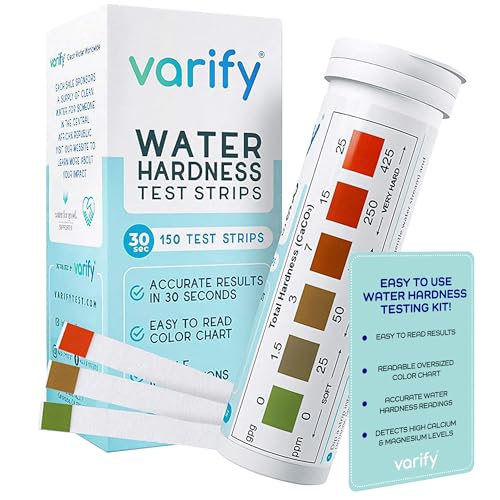
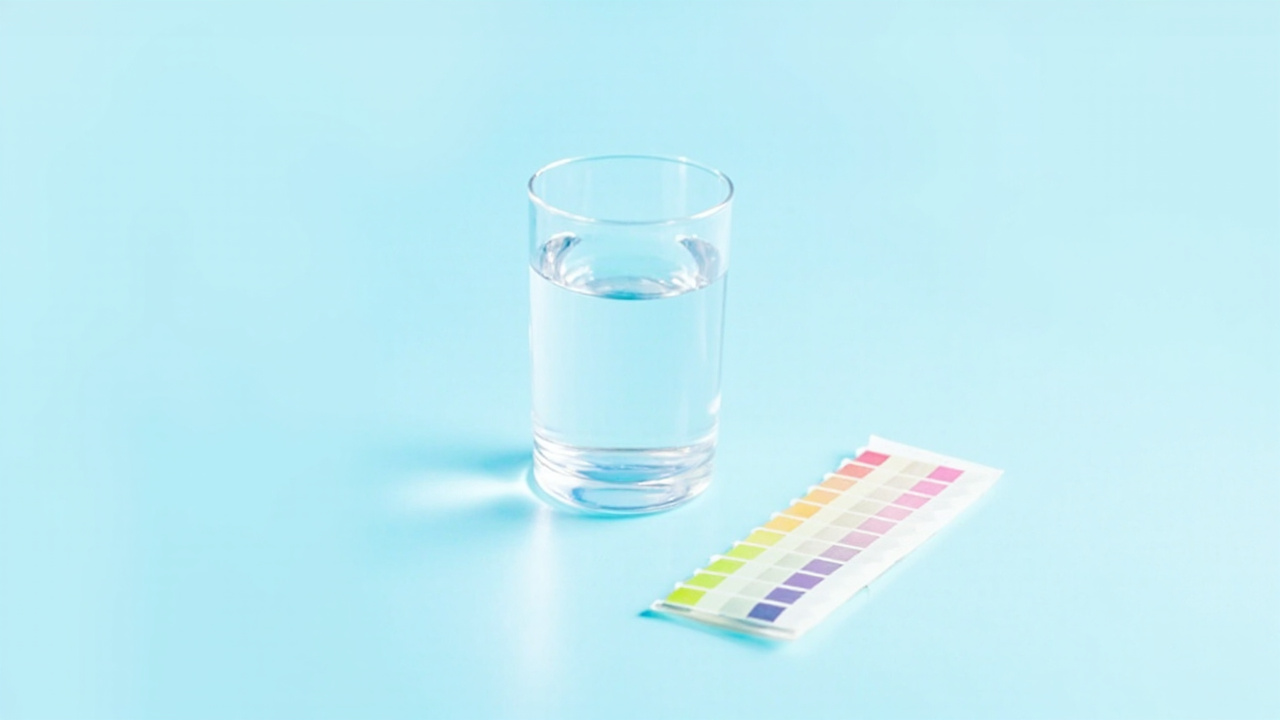
A hardness test strip ($8–12) gives a gpg reading in 30 seconds. The Varify test kit pairs strips with a color chart and is the single $10 purchase that prevents every sizing mistake that follows. If your result is under 3 gpg, you likely do not need a softener — a whole-house carbon/sediment filter for taste and chlorine may be the better spend, or an under-sink reverse-osmosis unit for drinking water. Understanding how water softeners work helps here: they remove hardness minerals via ion exchange, not chlorine or dissolved solids.
Softener vs filter vs RO (one screen)
If you’re still deciding what category of system you need:
- Softener (salt-based): swaps calcium and magnesium for sodium. Fixes scale, spotting, and soap scum caused by hardness.
- Whole-house carbon/sediment filter: improves taste, chlorine, and dirt. Does not soften.
- RO (usually under-sink): polishes drinking and cooking water. Does not affect every shower or the water heater.
A softener does not replace either of the others — they solve different problems.
Size it: people × use × hardness
The sizing formula
The core sizing equation is:
Grain capacity needed = (people × gallons per person per day) × hardness (gpg) × days between regenerations
The EPA WaterSense program cites roughly 75–80 gallons per person per day for indoor use. Days between regenerations is commonly 7 for timer-based systems; demand-based systems adjust automatically. Example: 4 people × 75 gallons × 10 gpg × 7 days = 21,000 grains per cycle. Round up to the next standard tank size — here, 24,000 or 32,000 grain.
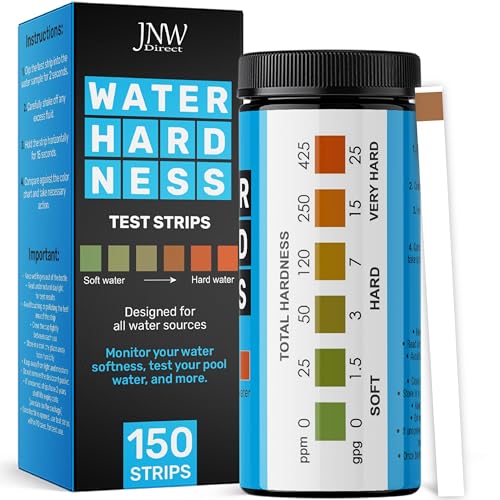
If you haven’t tested hardness yet, grab hardness test strips first. Without a gpg number, every sizing decision is a guess. The Varify kit pairs strips with a color chart and gives a reading in under a minute. For bulk re-testing after installation (useful for tracking seasonal drift on a well), the 150-strip kit from JNW Direct is a cheaper per-strip option.
Sizing reference table
| Household | People | Daily use (gal) | Hardness (gpg) | Grains/cycle | Recommended tank |
|---|---|---|---|---|---|
| Small apt | 1–2 | 150 | 10 | ~10,500 | 24,000 grain |
| Small home | 2–3 | 225 | 10 | ~15,750 | 32,000 grain |
| Family | 3–4 | 300 | 15 | ~31,500 | 32,000–40,000 grain |
| Large family | 4–5 | 375 | 15 | ~39,375 | 40,000–48,000 grain |
| Large + hard | 5+ | 450 | 20+ | ~63,000+ | 48,000–80,000 grain |
For a precise estimate with your own numbers, use the softener size calculator. Treat any formula output as a starting point, not a guarantee — actual household water use varies with fixture age, irrigation, and lifestyle.
Skip / Don’t #3: Don’t oversize “just to be safe.” An oversized softener regenerates infrequently, which lets resin sit stagnant and can promote bacterial growth inside the tank. Undersizing causes frequent regenerations that waste salt and water. Match the size to actual demand.
Grain capacity tiers explained
- 24,000 grain: Minimum viable for 1–2 people under 10 gpg. Rarely sufficient long-term.
- 32,000 grain: Entry sweet spot. Covers most 2–3 person homes at moderate hardness.
- 40,000 grain: Average family home (3–4 people, 10–20 gpg).
- 48,000 grain: Large households or very hard water (20+ gpg).
- 64,000–80,000 grain: Very large homes or light commercial. Typically dual-tank systems beyond standard residential scope.
Well water changes the math
If you’re on well water, test for iron in addition to hardness. Each 1 ppm of dissolved iron effectively adds about 5 gpg to your hardness calculation because iron competes for the same resin exchange sites. A 10 gpg water with 2 ppm iron behaves like 20 gpg for sizing purposes. Ignoring iron rating is a common cause of premature resin failure — and most softener spec sheets list a maximum iron rating (often 2–3 ppm) that, if exceeded, requires a dedicated iron filter upstream.
Features that matter
Not all softeners with the same grain rating perform equally. These features separate a good purchase from a regret.
Metered (demand-initiated) regeneration
Timer-based heads regenerate on a fixed schedule (e.g., every 3 days at 2 AM) regardless of whether the resin is exhausted. This wastes salt and water during low-use weeks. Metered, or demand-initiated, heads track actual water usage and regenerate only when capacity is near depletion. The result is typically 20–40% less salt consumption. The price difference between timer and metered heads is negligible — always choose metered.
Resin volume
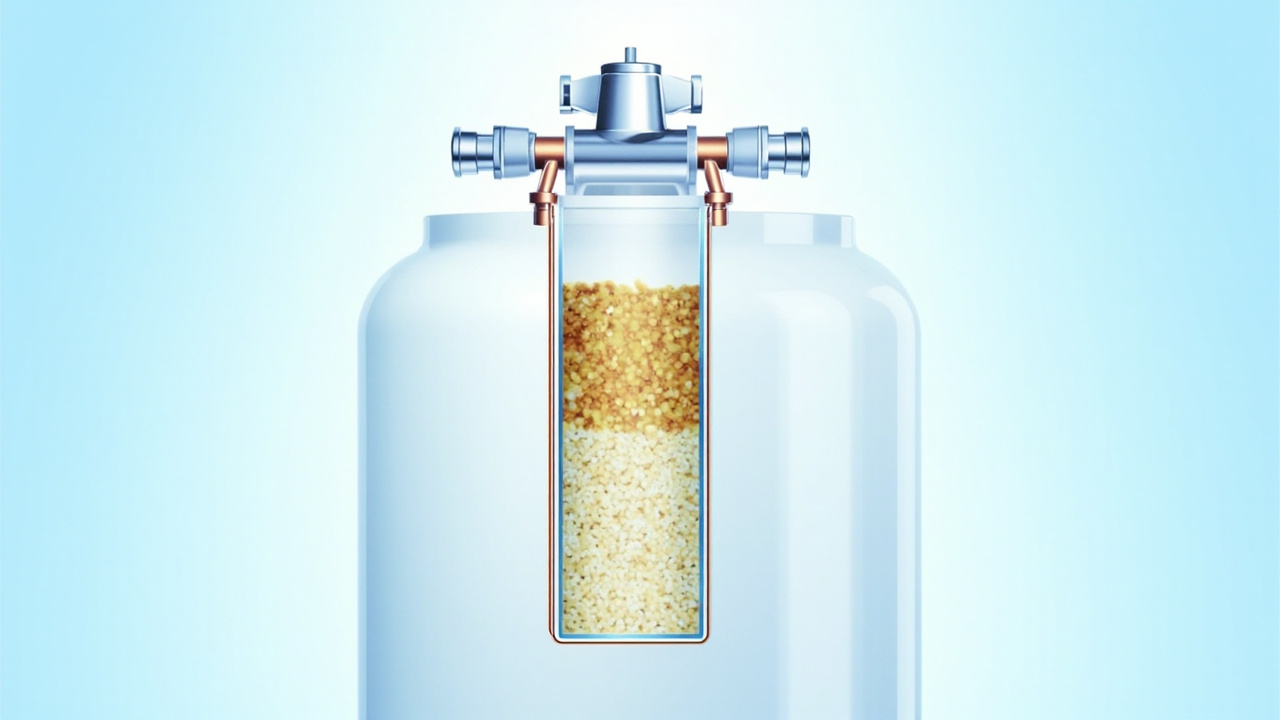
Resin is the ion-exchange media inside the tank. More resin means more hardness removal capacity per cycle. A 32,000-grain system should contain roughly 1 cubic foot of resin; a 48,000-grain system should have about 1.5 cubic feet. Check the spec sheet — some budget brands inflate grain ratings with undersized resin tanks, which means the system never quite reaches the stated capacity in real use.
Iron rating
Standard softener resin handles up to roughly 2–3 ppm of dissolved iron. If your water tests higher, you need a dedicated iron filter upstream or a softener specifically rated for higher iron. This is non-negotiable for well-water homes: iron that exceeds the resin’s rating will foul the bed within months, not years.
Valve type
- Piston valves (Fleck 5600SXT and similar): durable, field-serviceable, and the industry standard for systems designed to last 15+ years.
- Rotary disc valves: quieter and more compact, common in cabinet-style all-in-one systems. Less field-serviceable when parts wear.
- Smart/IoT valves: app-connected monitoring and leak alerts. Newer category — verify warranty terms before relying on app features, because a discontinued app can disable monitoring.
Flow rate
Check the service flow rate in gallons per minute (gpm). A family of 4 running two showers plus a dishwasher simultaneously needs roughly 12–15 gpm. An undersized system causes pressure drops during peak use, which is the most common complaint from buyers who picked the cheapest unit without checking flow specs.
Salt vs salt-free: honest limits
What salt-based softeners actually do
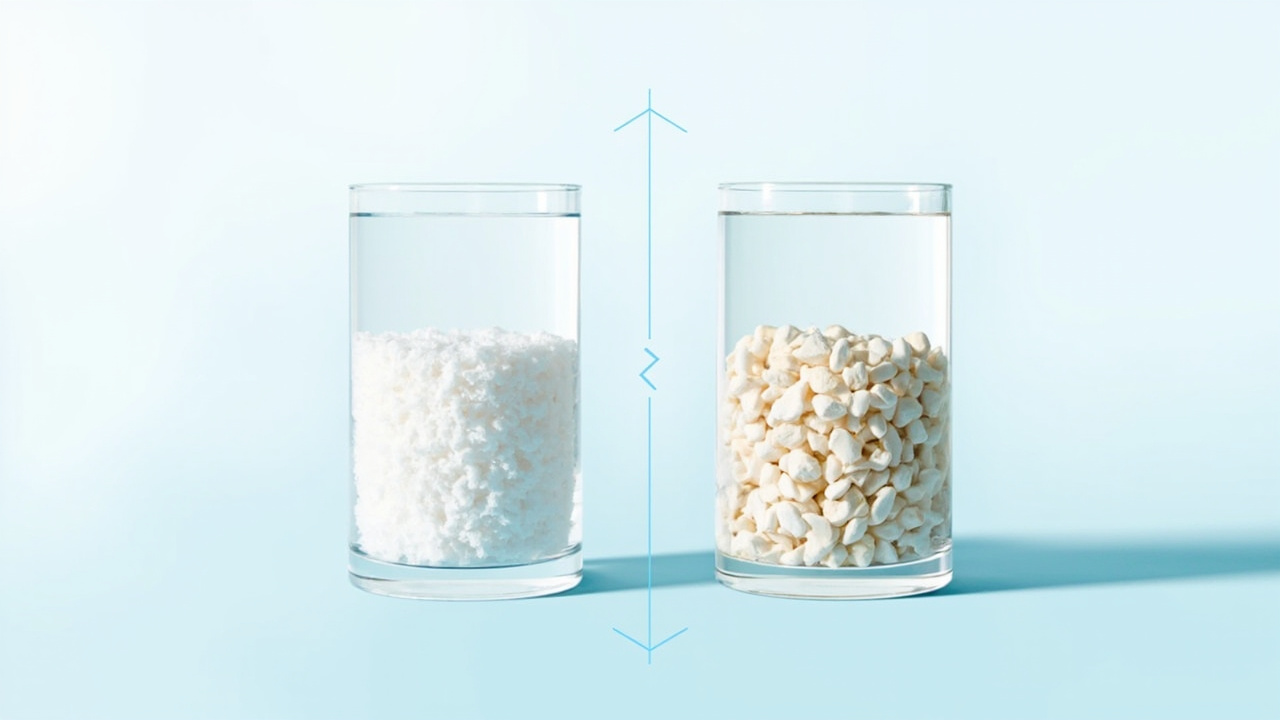
True ion exchange physically removes calcium and magnesium ions and replaces them with sodium. The output water tests at 0–1 gpg — genuinely soft. This requires salt replenishment (see our salt pellets vs crystals comparison) and periodic resin cleaner to prevent iron fouling.
What salt-free “softeners” actually do
Most salt-free systems use template-assisted crystallization (TAC). They do not remove hardness minerals. They alter the crystal structure of calcium so scale does not adhere to surfaces. Water still tests as “hard” — you get scale prevention, not soft water. There is no slippery feel, no sodium addition, and no brine discharge.
Honest framing: salt-free is scale prevention, not softening. If your goal is soap lather, spot-free glass, or extending appliance life through actual mineral removal, only salt-based delivers. If you are on a sodium-restricted diet, live in an area with salt discharge restrictions, or want zero maintenance, salt-free may match your goal — but match the claim to the goal before you buy.
Budget bands without fake Top 10
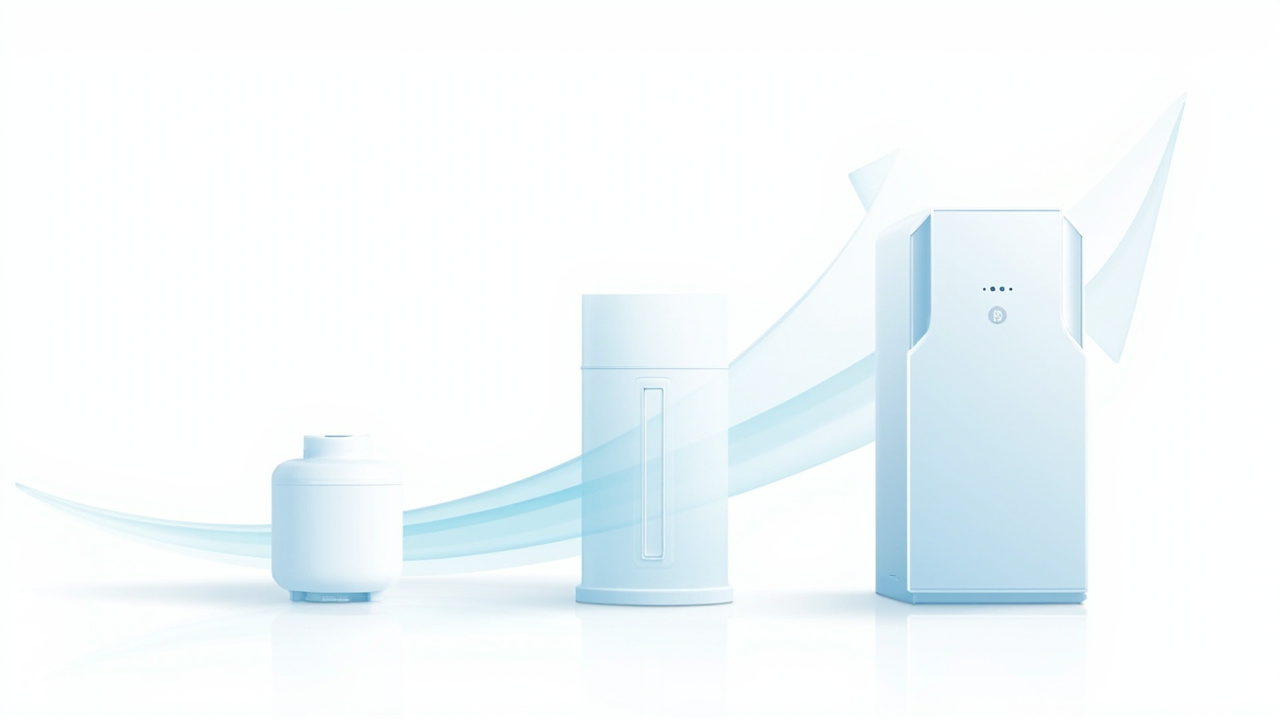
This is not a ranked list. These are honest price bands so you know what to expect.
Entry ($400–600)
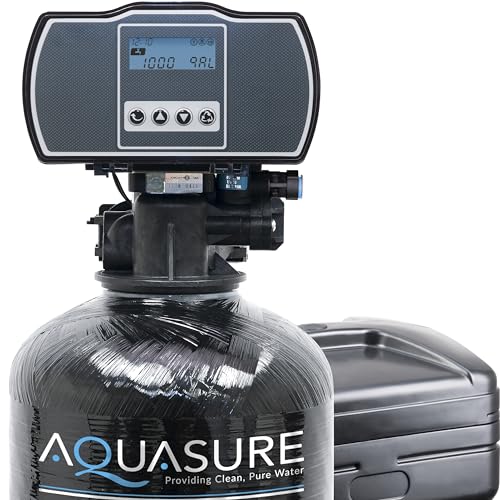
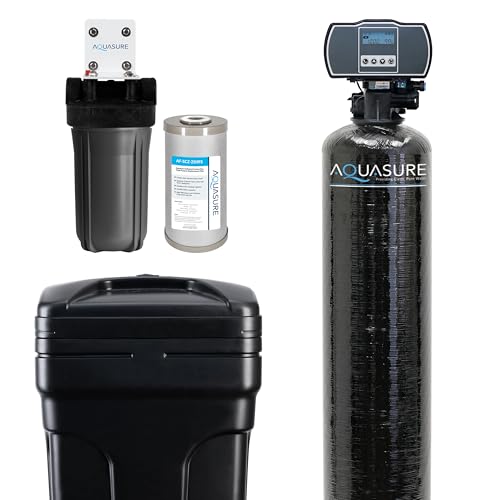
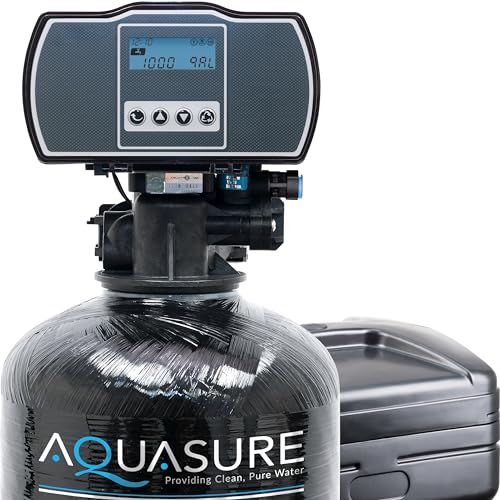
32,000-grain systems from Aquasure, Watts, or equivalent. Basic metered valve, adequate resin for 1–3 people. The Aquasure Harmony 32,000 grain sits in this tier at roughly $523 and covers 1–2 bathrooms at moderate hardness.
Mid ($550–700)
40,000–48,000 grain systems. Better resin volume, sometimes includes a pre-filter. The Aquasure Harmony 40,000 grain at ~$580 and the Aquasure Harmony 48,000 grain at ~$630 bracket this tier. Step up to 48k if you are at 20+ gpg or have 4+ people in the house.
Premium ($700–1,200+)
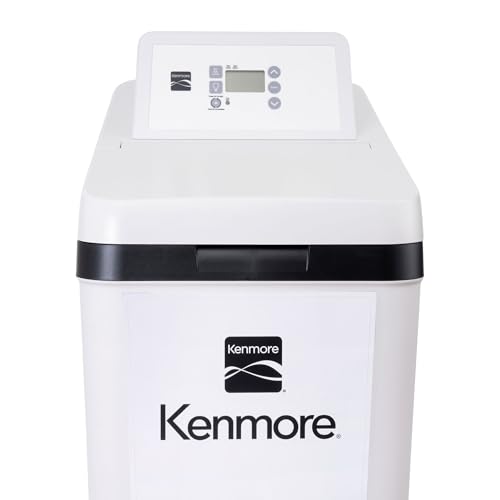
Larger capacity, brand-name valves (Fleck/Clack), smart features, or bundled pre- and post-filtration. The Kenmore 350 at ~$637 is at the lower edge of this tier and includes IntelliSoft AI-learning regeneration that tracks usage patterns over time.
Installation costs (separate from unit price)
DIY install runs $50–150 in fittings plus your time and requires basic plumbing skills. Professional installation typically costs $300–800. Factor this into your total budget — a $500 unit can become $1,000+ installed. If you need to cut into copper main lines, relocate the unit, or add a dedicated drain, the pro route is the safer call.
What you do not need to pay extra for
- Wi-Fi connectivity (nice-to-have, not essential for basic operation)
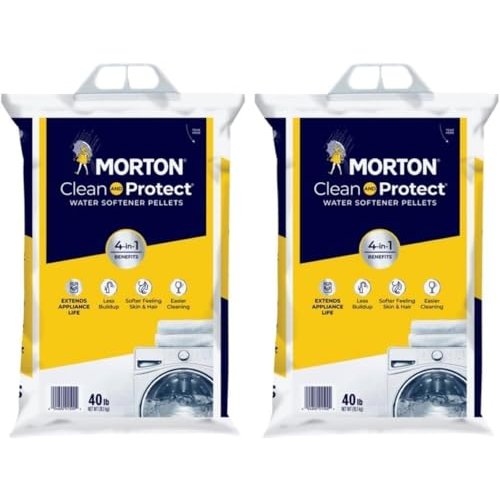
- Proprietary salt brands (any NSF-certified pellet works — see the salt pellets vs crystals guide). Standard options like Morton Clean and Protect perform identically to brand-specific refills at a lower per-bag cost.
- Extended warranties beyond the standard 5–10 year valve and resin coverage
Which water softener do you need? (decision tree)
“Which water softener do I need?” Most guides answer that with a ranked list. Water softener selection comes down to five answers; it’s the short version of the guide. Each takes a minute and hops to its section above.
Question 1: Do you actually need one? Test first.
Hard water starts at 7 gpg on the USGS scale. Skip / Don’t #4: Don’t buy a softener under 3 gpg — a filter or RO unit is likely the smarter spend there. Above that, grab one of our hardness test kits picks; the gpg number drives every answer below.
Question 2: Which size — grain capacity?
One-line formula: people × ~75 gallons × gpg × 7 days. Or use the shortcuts: 1–2 people at 10 gpg or less fits 32k, 3–4 at 10–20 gpg fits 40k, and 4+ people or 20+ gpg needs 48k. Well water: add ~5 gpg per 1 ppm iron first. Full formula and table in Size it above; the softener size calculator does the math.
Question 3: Salt-based or salt-free?
Match the system to the goal. Soft-water feel, soap lather, spot-free glass — that’s salt-based ion exchange, which outputs 0–1 gpg. Only fighting scale, on a sodium-restricted diet, under brine-discharge rules, or dodging maintenance? Salt-free TAC prevents scale, but water still tests hard. The salt vs salt-free comparison maps each goal to the right system; honest limits are above.
Question 4: Which features are non-negotiable?
Metered regeneration, always — it saves 20–40% salt versus a timer for a negligible price difference. An iron rating at or above your ppm on a well. And 12–15 gpm service flow for bigger households. Those are what to look for when buying a water softener — everything else is nice-to-have (details in Features that matter).
Question 5: Which budget band fits?
Entry ($400–600) buys a 32k system for 1–3 people. Mid ($550–700) gets 40–48k for a family. Premium ($700+) buys brand-name valves and smart features — not more softening. Install runs $50–150 DIY or $300–800 pro. Budget bands above has all three; What to buy below maps answers to actual picks.
Whichever branch you land on, budget the running cost: a typical family burns through a 40 lb bag of salt every 2–4 weeks, and that adds up over a year. Our water softener salt guide covers pellets vs crystals before your first refill.
Common mistakes
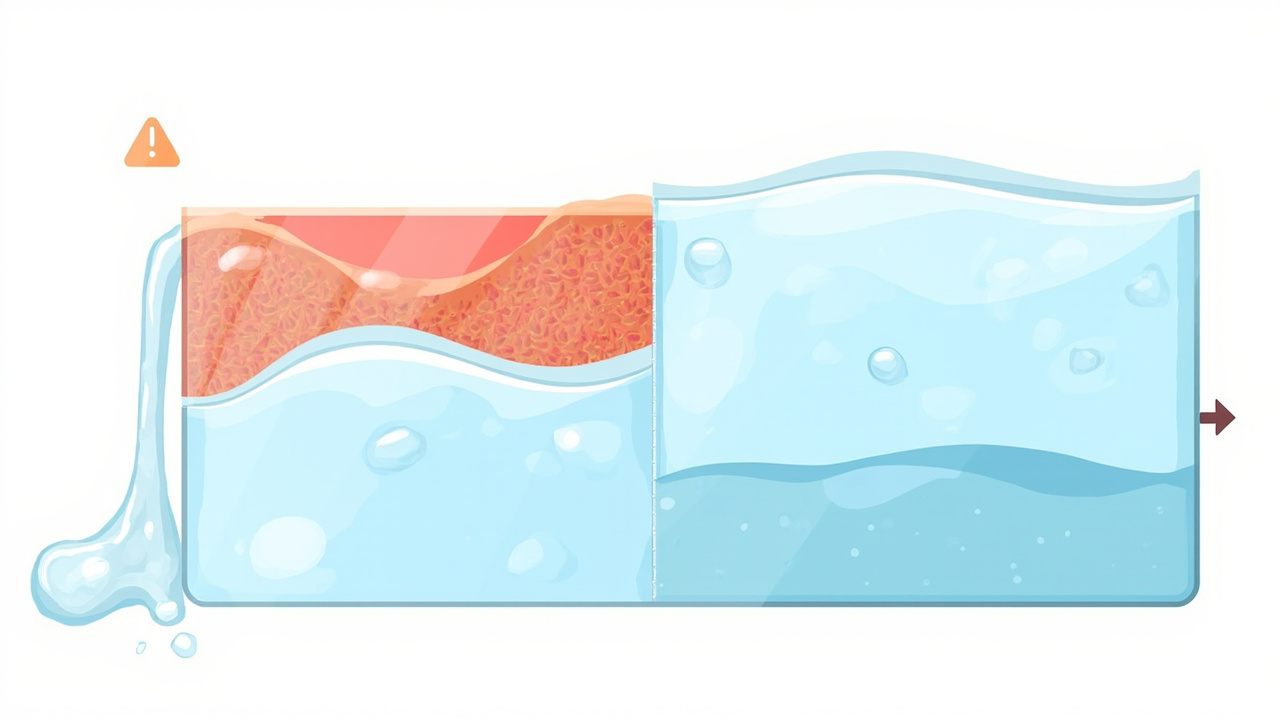
- Buying before testing hardness. Without a gpg number, sizing is a guess. A $10 test strip prevents a $600 mistake. Test first, size second, buy third.
- Ignoring iron in well water. Iron fouls resin. If you are on a well and don’t test for iron, your new softener’s resin may fail within 2 years instead of the expected 10. Add 5 gpg per 1 ppm iron to your sizing math.
- Oversizing “for safety.” A 64k grain system in a 2-person home regenerates so infrequently that water sits stagnant in the resin tank, which can promote bacterial growth. Match the size to actual demand.
- Choosing timer over metered regeneration. Timer-based heads waste 20–40% more salt. The price difference between timer and metered is negligible — there is no good reason to choose timer in 2026.
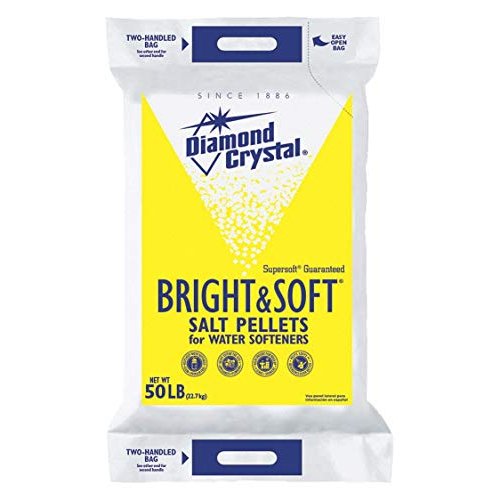
- Forgetting installation and ongoing salt cost. Budget the total: unit + install + a 40 lb bag of salt every 2–4 weeks — a few hundred dollars a year at typical prices — plus occasional resin cleaner. A $500 unit costs more over 5 years than the sticker suggests. A 40 lb bag of Morton Clean and Protect pellets or Diamond Crystal Bright and Soft lasts 2–4 weeks for a typical family.
What to buy
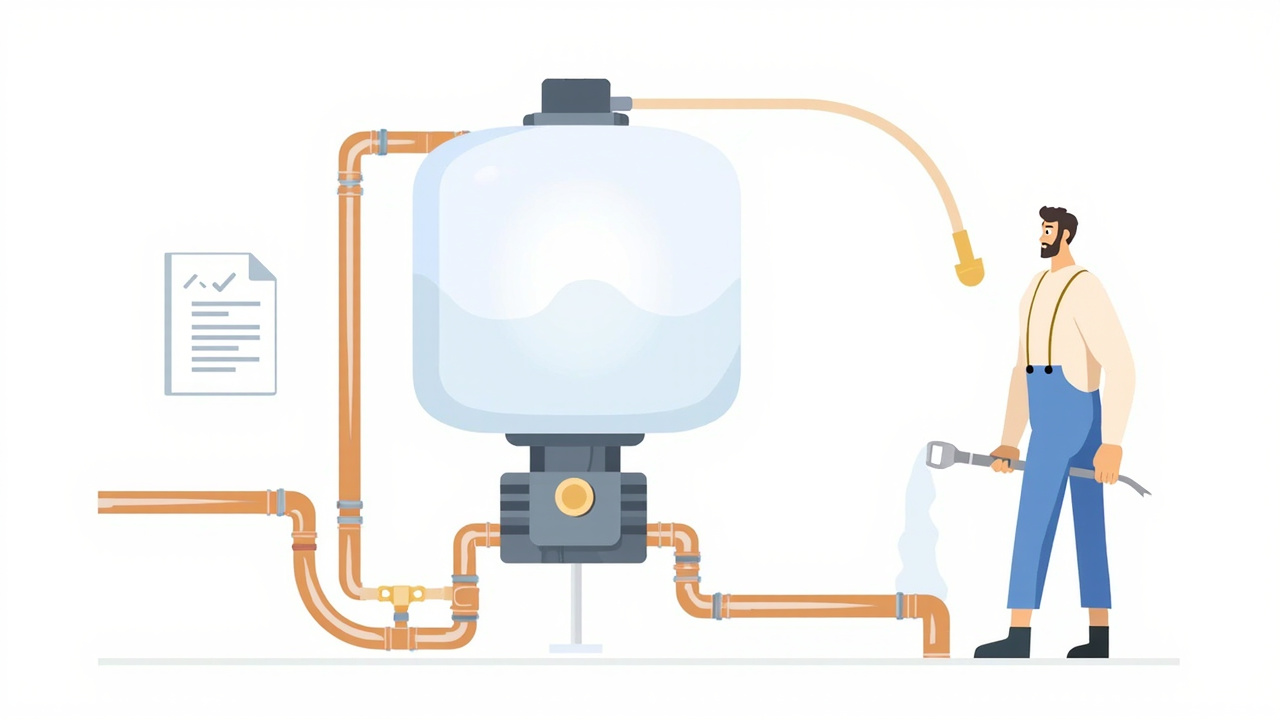
Your purchase follows the decision funnel, not a ranked list.
Step 1: Test kit (~$10)
Varify Hardness Test Kit or the JNW Direct 150-Strip Kit. Either gives you the gpg number that drives every other decision.
Step 2: Size-matched softener
- 1–2 bath: Aquasure Harmony 32k
- 3 bath: Aquasure Harmony 40k
- 3–4 bath or 20+ gpg: Aquasure Harmony 48k
- Want AI-learning regeneration at 32k: Kenmore 350
Step 3: Salt (ongoing)
- Morton Clean and Protect pellets — standard pellets with rust inhibitor
- Diamond Crystal Bright and Soft — 99.8% purity, resists bridging
For the full salt decision (pellets vs crystals vs blocks, how often to refill, salt bridges), see salt pellets vs crystals.
When to call a pro
Keep DIY if: testing hardness, setting the control head hardness number, adding salt, breaking a salt bridge, or swapping a cartridge on an existing housing.
Call a licensed plumber if:
- Cutting into the main line or relocating the unit
- Active leak at fittings or drain
- Control board or electrical faults beyond a simple reset
- Well pump or pressure tank issues
We do not rank local installer directories or city-specific landing pages. A licensed plumber with water treatment experience is the right call for anything beyond bolt-on installation.
Related
- Softener Size Calculator — plug in your numbers for a precise grain estimate
- Water Hardness Explained — gpg, ppm, and the full parameter deep-dive
- How Water Softeners Work — ion exchange mechanics and regeneration cycles
- Salt Pellets vs Crystals — the salt decision after you buy
- What Is Hard Water? — signs and symptoms checklist
- Hard vs Soft Water — what changes when hardness drops
Key takeaways
- Test hardness first — a $10 strip prevents a $600 sizing mistake.
- Size by the formula: people × daily gallons × gpg × days between regenerations.
- Demand-initiated (metered) regeneration saves 20–40% on salt versus timer-based.
- Match iron rating to your supply — well water adds 5 gpg per 1 ppm iron to the sizing math.
- Salt-free prevents scale; salt-based actually softens. Know the difference before you buy.
- Budget for installation and ongoing salt — not just the unit price.
- Use the softener size calculator as your starting point.