Quick answer
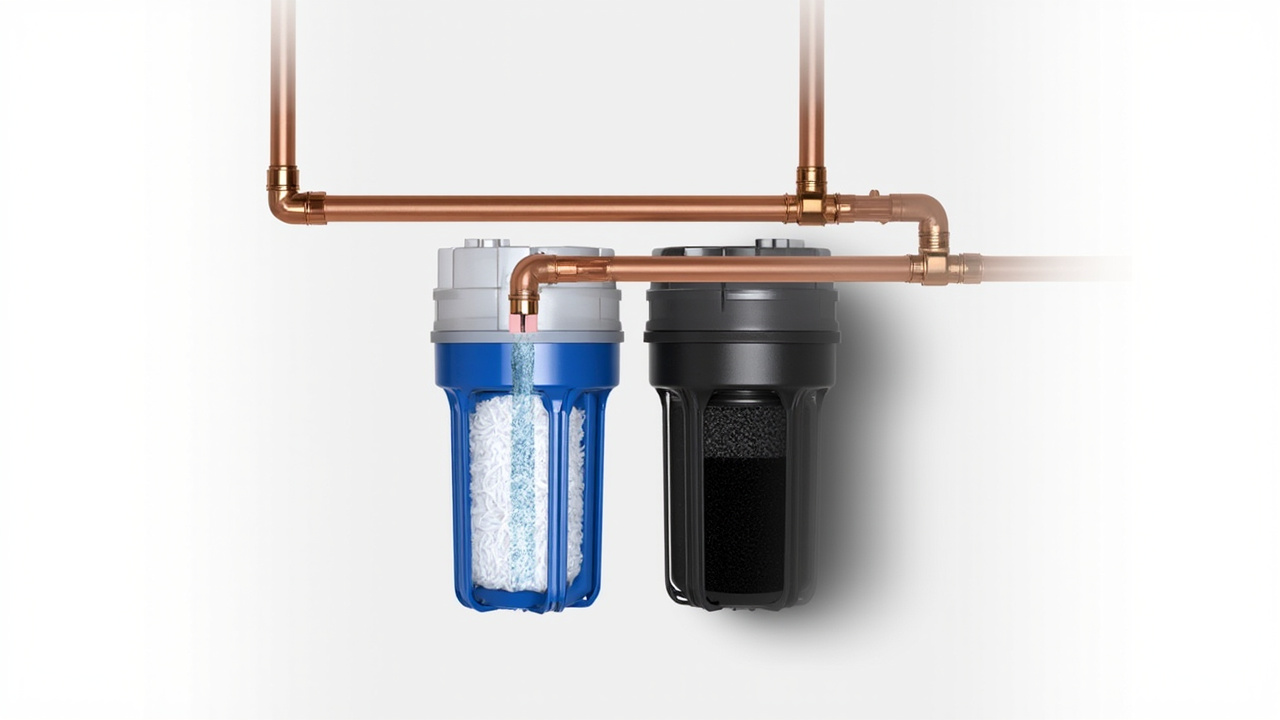
A whole-house water filter (also called a point-of-entry filter) sits on the main water line and removes sediment, chlorine, and rust before water reaches any tap. It does not soften water or remove dissolved hardness minerals. If your water tastes like chlorine, leaves orange stains, or clogs showerheads with grit, a whole-house filter may help. Test your water first so you know what you are actually filtering.
What whole-house filters do
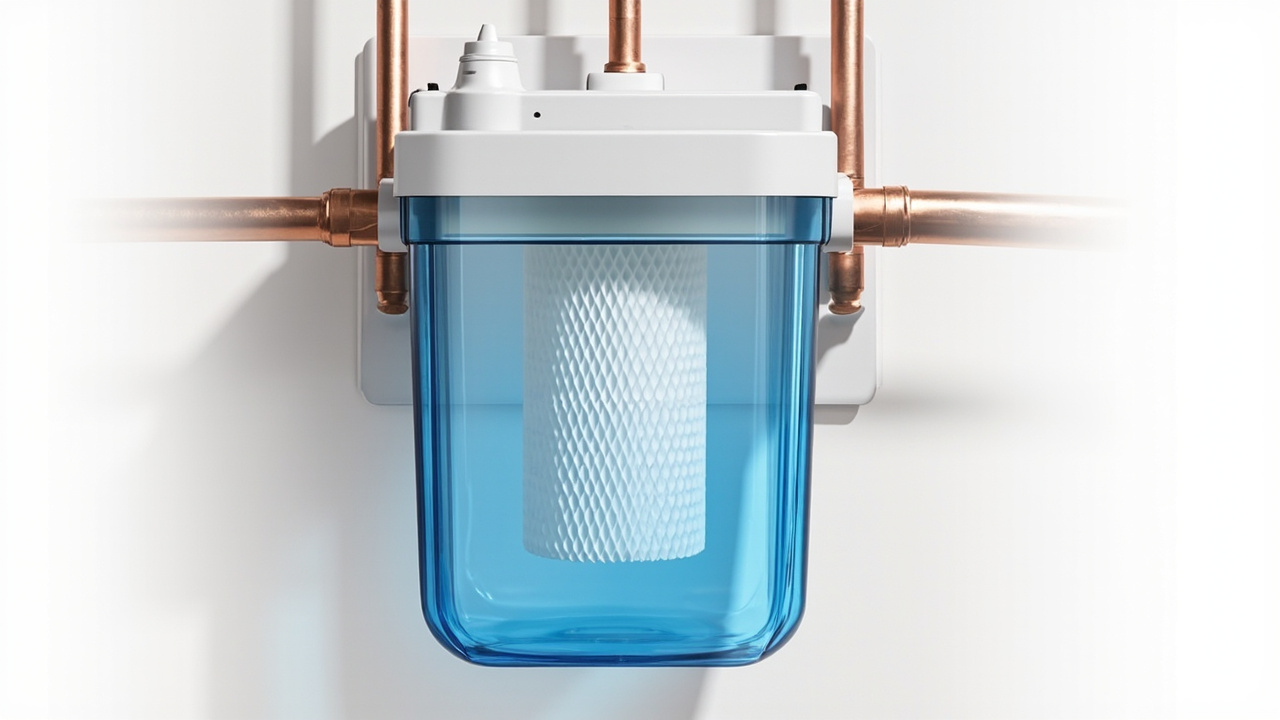
A point-of-entry (POE) filter treats all water entering the home. Every tap, toilet, and appliance gets filtered water, not just the kitchen sink. That’s the main difference between a whole-house filter and an under-sink unit like reverse osmosis, which only polishes water at one faucet.
What a whole-house filter removes depends on the cartridge inside the housing:
- Sediment filters (spun polypropylene, string wound, 1 to 50 micron): catch sand, rust flakes, pipe debris, and suspended particles. They protect downstream appliances like the water heater, washing machine, and softener resin from abrasive grit.
- Carbon filters (activated carbon block, CTO-rated): adsorb chlorine, chloramines, volatile organic compounds, and taste or odor compounds. This is the stage that makes water stop smelling like a swimming pool — it’s the chlorine you’re removing.
- Specialty media: some housings accept iron-reduction, fluoride, or lead-removal cartridges, but these are targeted add-ons, not the default.
What they do not remove: dissolved calcium and magnesium (hardness), sodium, most dissolved minerals, and bacteria or viruses unless you add a UV stage. This is the number one consumer misunderstanding. A filter isn’t a softener. If you aren’t sure what hard water actually means, read that first.
If your water comes from a municipal supply, the main benefit of a whole-house filter is chlorine and chloramine reduction. The EPA allows up to 4.0 mg/L of chlorine residual in distributed water (measured as Cl2). That level is safe for consumption, but it affects taste and smell, dries out skin after showers, and shortens the life of rubber seals in faucets and washing machines. A carbon stage brings residual chlorine down to near zero at every tap. If your water comes from a well, the benefit shifts to sediment and rust protection for the pressure tank, the pressure switch, and the plumbing downstream — you’re protecting equipment from grit it can’t handle.
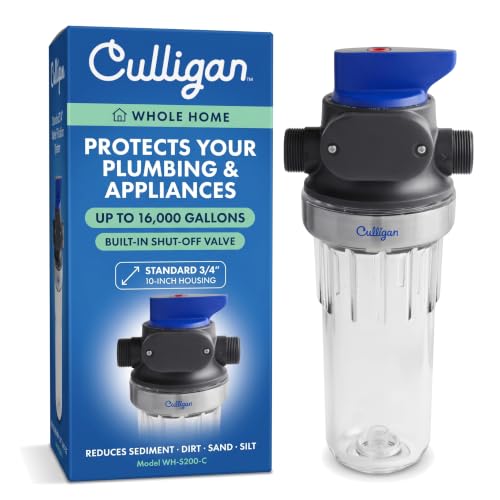
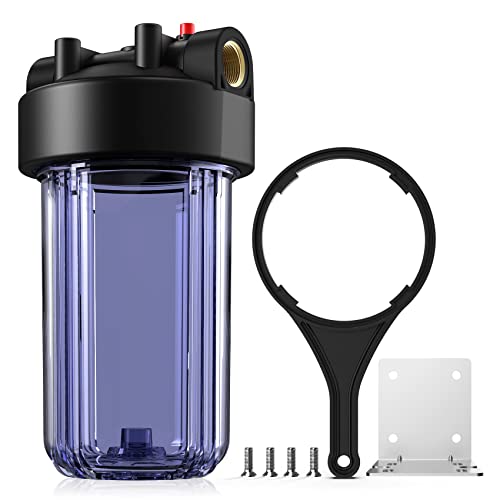
A basic 3/4-inch housing like the Culligan WH-S200-C filter housing is the entry point for most homes on municipal water. If you want to see the cartridge condition without opening the sump, a clear Big Blue housing like the SimPure DB10C clear housing costs a bit more but saves guesswork on replacement timing — you’ll see the brown buildup before flow drops.
Skip a whole-house filter if your only concern is drinking-water purity. An under-sink reverse osmosis system handles lead, dissolved solids, and most contaminants at the kitchen tap for a fraction of the install cost. A POE filter is about whole-home protection, not making drinking water purer than RO.
Softener vs whole-house filter
This is the number one confusion in water treatment. People buy a filter expecting softer water, or buy a softener expecting better taste. They don’t solve the same problem.
| Whole-house filter | Water softener | |
|---|---|---|
| Removes | Sediment, chlorine, rust, taste or odor | Calcium and magnesium (hardness) |
| Mechanism | Physical filtration (cartridge media) | Ion exchange (resin and salt) |
| Salt needed? | No | Yes (sodium or potassium chloride) |
| Stops scale? | No, scale is dissolved minerals passing through | Yes, removes the minerals that form scale |
| Test strip shows | Same hardness before and after | Lower gpg after softening |
| Media lifespan | 3 to 12 months (replace cartridge) | 10 to 15 years (resin), salt monthly |
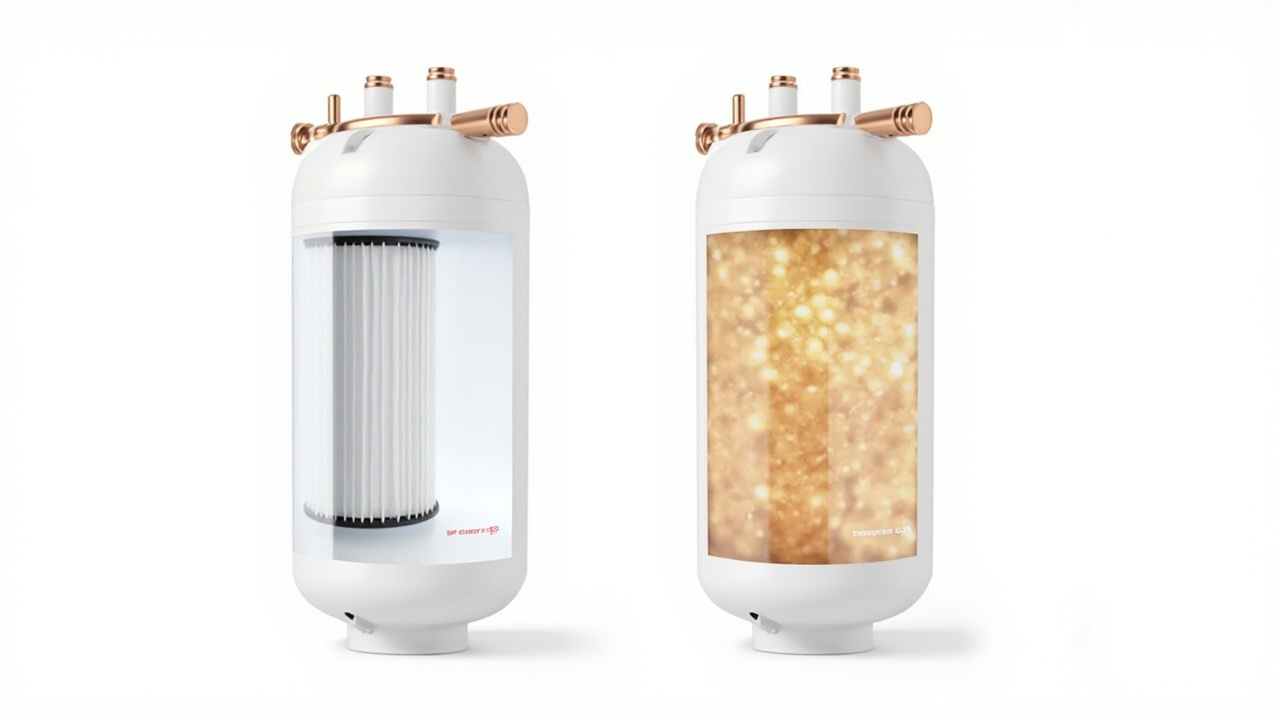
The honest bottom line: a filter and a softener solve different problems. Many homes need both. The filter goes first to protect the softener resin from sediment and chlorine damage, then the softener handles the hardness — it’s a one-two setup. See our full three-way comparison for the complete breakdown of softener versus RO versus whole-house filter.
Salt-free conditioners (the honest limit)
Salt-free “conditioners” use TAC (template-assisted crystallization) media or electronic descaler wraps. They claim to prevent scale formation without removing hardness. They can reduce scale buildup on fixtures and inside pipes, but the water is still technically hard. Your test strip will read the same gpg before and after.
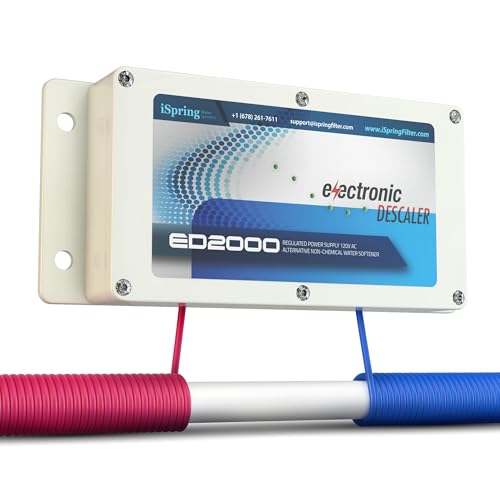
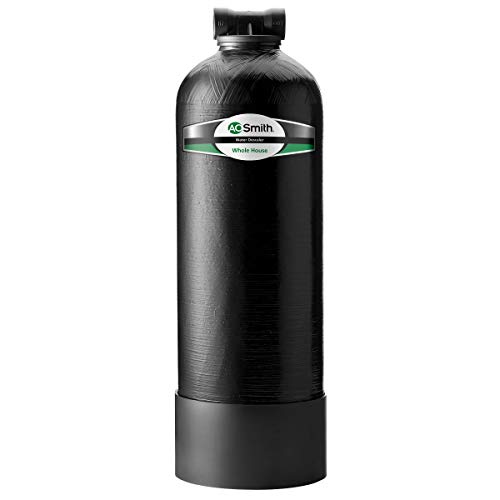
An electronic descaler like the iSpring ED2000 wraps around the pipe and costs under $100 with no media to replace. A TAC media tank like the A.O. Smith AO-WH-DSC salt-free conditioner is rated for 600,000 gallons and installs inline like a softener tank. Neither one will bring your hardness strip to zero. For the full honest breakdown of what salt-free can and cannot do, see our salt vs salt-free comparison.
If you want to understand how ion exchange actually works before deciding, that page breaks down the resin-and-brine cycle step by step.
Do not buy a whole-house filter expecting softer water. If your test strip reads 10+ gpg and you want scale-free shower doors and soap that lathers, you need a softener. A carbon filter makes water taste better, but the hardness passes right through. If you realize you need a softener instead, start with how to choose a water softener.
Common media roles (sediment and carbon)
Most whole-house filter systems use two stages in sequence. Understanding what each stage does helps you pick the right cartridges and avoid replacing them too often or too late.
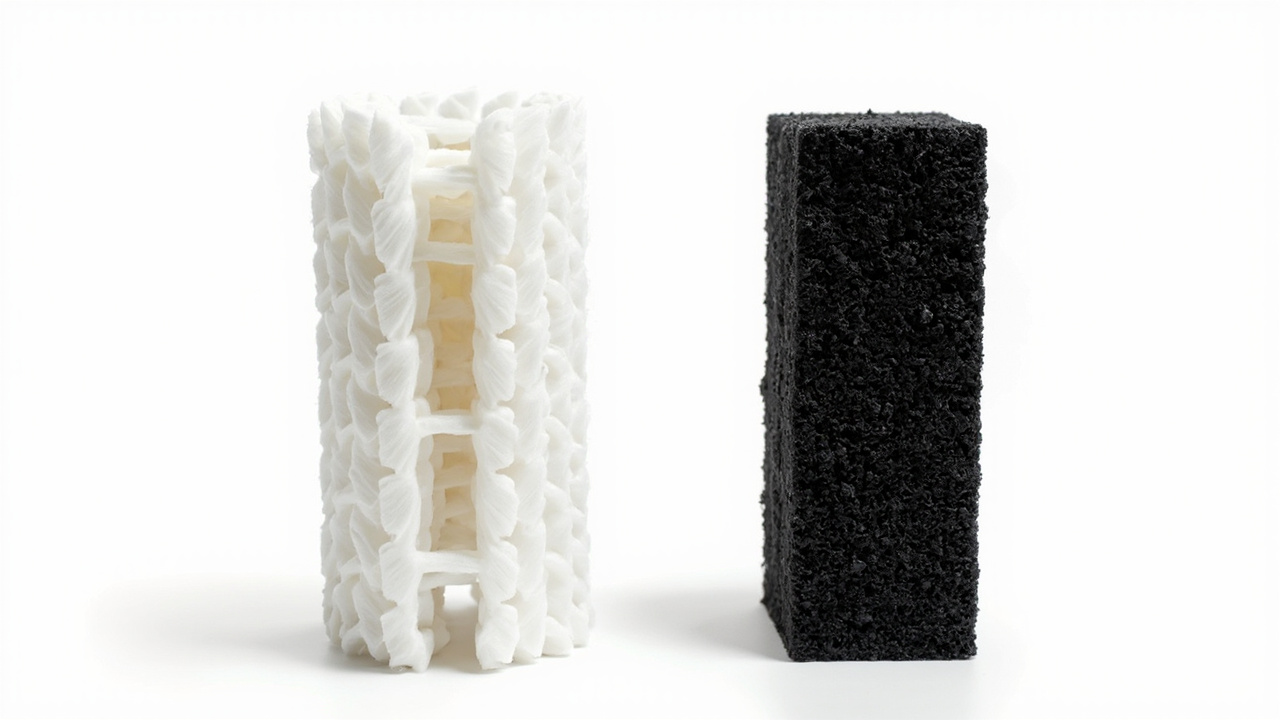
Sediment stage (first canister)
The micron rating tells you the particle size a filter catches. Lower micron means finer filtration.
- 50 micron: catches large debris and sand. Typically a spin-down or reusable screen filter.
- 5 micron: the standard residential rating. Catches rust, pipe scale, and sand.
- 1 micron: fine filtration for very fine silt and some cysts.
- Materials: spun polypropylene (most common and cheapest), string wound (higher dirt-holding capacity), pleated (washable and reusable).
- Lifespan: 3 to 6 months depending on your water quality.
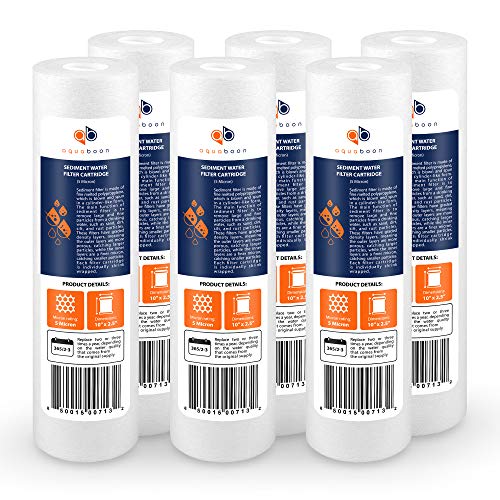
A 5 micron spun polypropylene 5-pack covers a standard 10-inch housing for a full year of 3-month swaps.
Carbon stage (second canister)
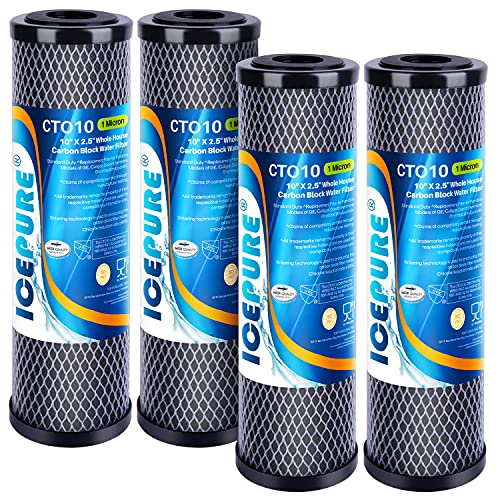
CTO stands for Chlorine, Taste, and Odor. That is the standard carbon block rating for whole-house use. Activated carbon adsorbs chlorine and organic compounds through its enormous surface area. One gram of activated carbon has roughly 500 square meters of internal surface area, which is why it works so well for taste and smell.
- Coconut shell carbon: higher microporosity, better chlorine reduction, the premium choice.
- Carbon block vs granular (GAC): block is denser and more uniform. GAC can channel, meaning water finds a path of least resistance and bypasses some of the media.
- Lifespan: 6 to 12 months. Replace when the chlorine taste returns.
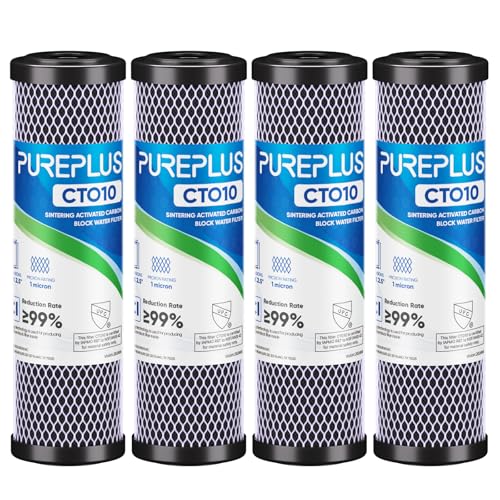
A 1 micron CTO carbon 4-pack from PUREPLUS covers a full year of scheduled replacement at a lower per-cartridge cost than buying singles.
Combo cartridges
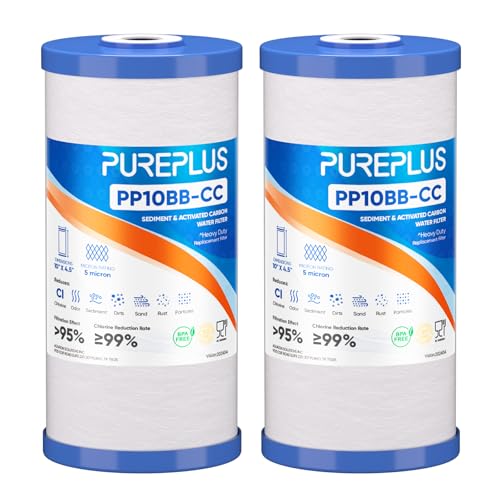
Some single-housing systems use a dual-layer sediment and carbon cartridge. This works for tight-space installs where you cannot fit two housings. The trade-off: you replace both media at once even if only one is exhausted. Carbon usually gives out first in a combo. A dual-layer Big Blue combo cartridge fits 10-inch by 4.5-inch housings and combines 5 micron sediment with carbon in one unit.
Standard housing sizes: 10-inch by 2.5-inch (standard), 10-inch by 4.5-inch (Big Blue, high flow), and 20-inch by 4.5-inch (large homes or commercial).
When well water changes the plan
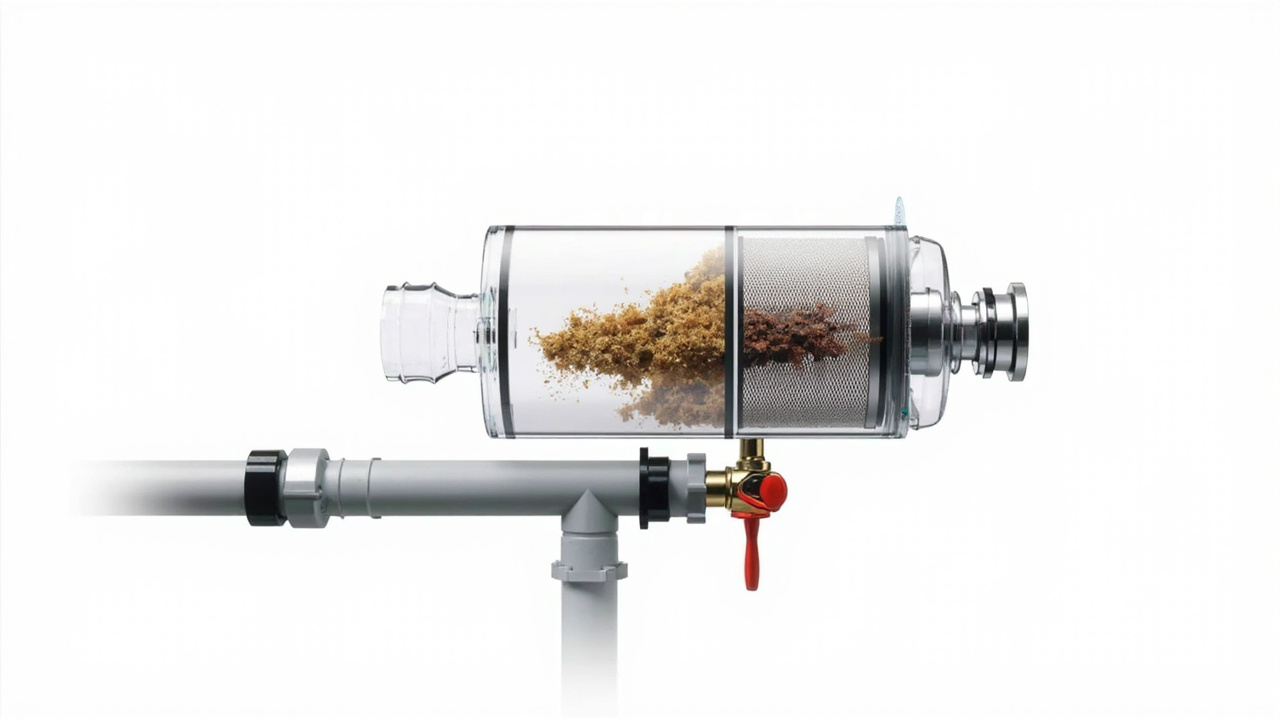
Well water introduces variables that municipal supplies do not have. If you are on a well, the standard “sediment then carbon” plan may need adjusting.
- Higher sediment load: sand, silt, and iron particles come straight from the aquifer.
- Ferrous (dissolved) iron: clear when drawn from the tap, oxidizes to orange or brown when exposed to air. It clogs filters fast.
- Manganese: causes black staining, often shows up alongside iron.
- Hydrogen sulfide: rotten-egg smell. Carbon helps, but dedicated media does a better job.
- No chlorine: municipal supplies add it, wells do not. Carbon’s main job (chlorine removal) may be unnecessary.
The EPA sets a secondary standard of 0.3 mg/L for iron and 0.05 mg/L for manganese. These are not enforceable limits, but they mark the point where staining and taste become noticeable.
Strategy for well water
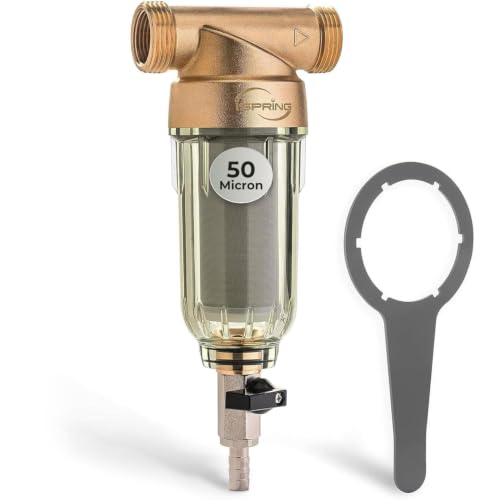
- Spin-down pre-filter (50 to 100 micron, flushable) before the main housing. This catches sand and large particles so you are not replacing cartridges every two weeks. The iSpring WSP-50 spin-down filter is a 50 micron flushable unit that cleans with a valve turn.
- Iron-specific media if iron exceeds 0.3 mg/L. Standard carbon and sediment will not remove dissolved iron.
- Test before buying. Well water quality varies by location and season. A one-time lab test ($30 to $100) tells you exactly what you are dealing with. See our hardness test kits guide for options.
If your well water has visible orange staining or rust flakes, do not reach for a carbon filter first. Start with a spin-down sediment pre-filter and an iron test. Carbon will clog within weeks if the iron load is high, and you will waste $30 cartridges chasing a problem that needs a different solution.
Maintenance: cartridges
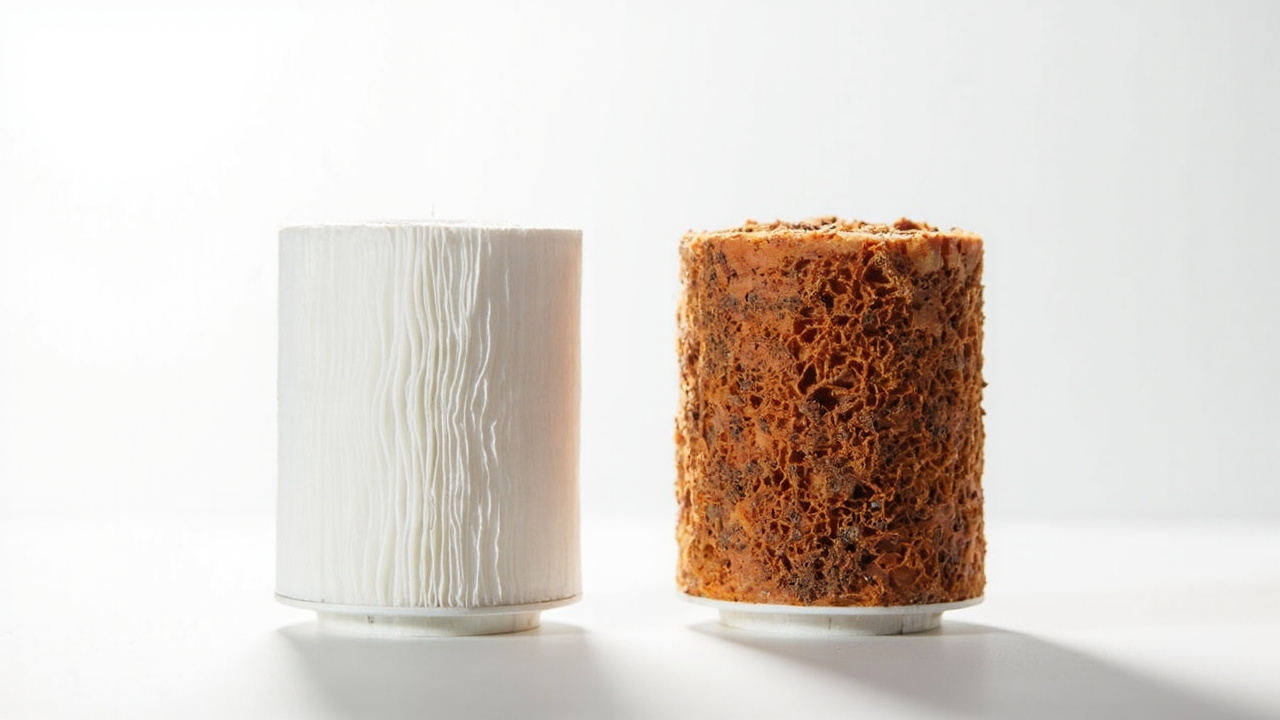
The number one maintenance task is cartridge replacement. Running a filter past its life is worse than having no filter at all. A clogged cartridge restricts flow and can dump trapped contaminants back into the water when the pressure differential forces water through the bypass.
Replacement intervals (general guidance, check your actual water):
- Sediment (5 micron): every 3 to 6 months
- Sediment (50 micron spin-down): flush monthly, replace screen annually
- Carbon block (CTO): every 6 to 12 months
- Combo sediment and carbon: every 3 to 6 months (carbon exhausts faster in a combo)
Signs it is time to replace:
- Pressure drop at multiple taps (the housing is clogged)
- Chlorine taste or smell returns (carbon is exhausted)
- Visible discoloration on the cartridge (rust, orange, gray sludge)
- With clear housings, you can literally see when the cartridge is brown and loaded — a clear Big Blue sump takes the guesswork out of timing
Cost reality: Budget $40 to $120 per year for a single-housing system (2 to 4 cartridge swaps). A dual-housing setup (sediment plus carbon) runs $80 to $200 per year.
Buy replacement cartridges in multi-packs. An ICEPURE 4-pack of CTO carbon cartridges costs roughly the same as two singles, which drops your per-cartridge cost by about 40 percent. Keep a spare CTO carbon 4-pack on the shelf so you never run past the replacement window.
Common mistakes
-
Buying a filter to solve hard water. A whole-house filter removes particles and chlorine, not dissolved calcium and magnesium. If scale on shower doors is the problem, you need a softener. Test your gpg first. A basic housing plus a $10 hardness strip prevents a $200 mistake.
-
Skipping the sediment stage. Running water straight into a carbon cartridge without a pre-filter shortens carbon life by 50 to 70 percent when sediment load is moderate. Always stage sediment before carbon.
-
Choosing the wrong micron rating. A 1-micron sediment filter on well water clogs in days. Start coarser (20 to 50 micron) and step down only if pressure allows. Conversely, 50 micron on municipal water catches almost nothing useful.
-
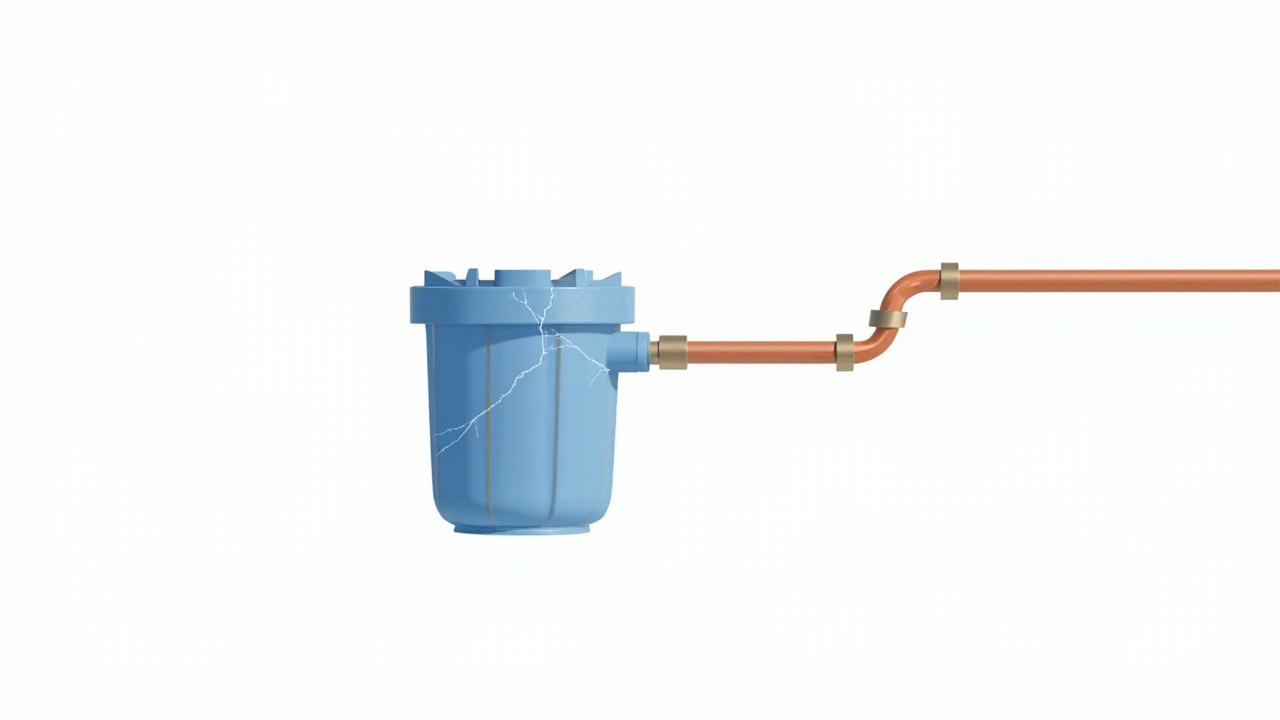
Ignoring cartridge replacement until flow dies. A fully clogged cartridge can bypass internally. Water finds the path of least resistance and sends unfiltered water downstream. Replace on schedule, not on failure.
-
Assuming “whole-house” means “purified.” A POE filter improves taste, clarity, and sediment. It does not make water safe to drink if the source is contaminated. For drinking-water purity, add under-sink RO at the kitchen tap.
When to call a pro
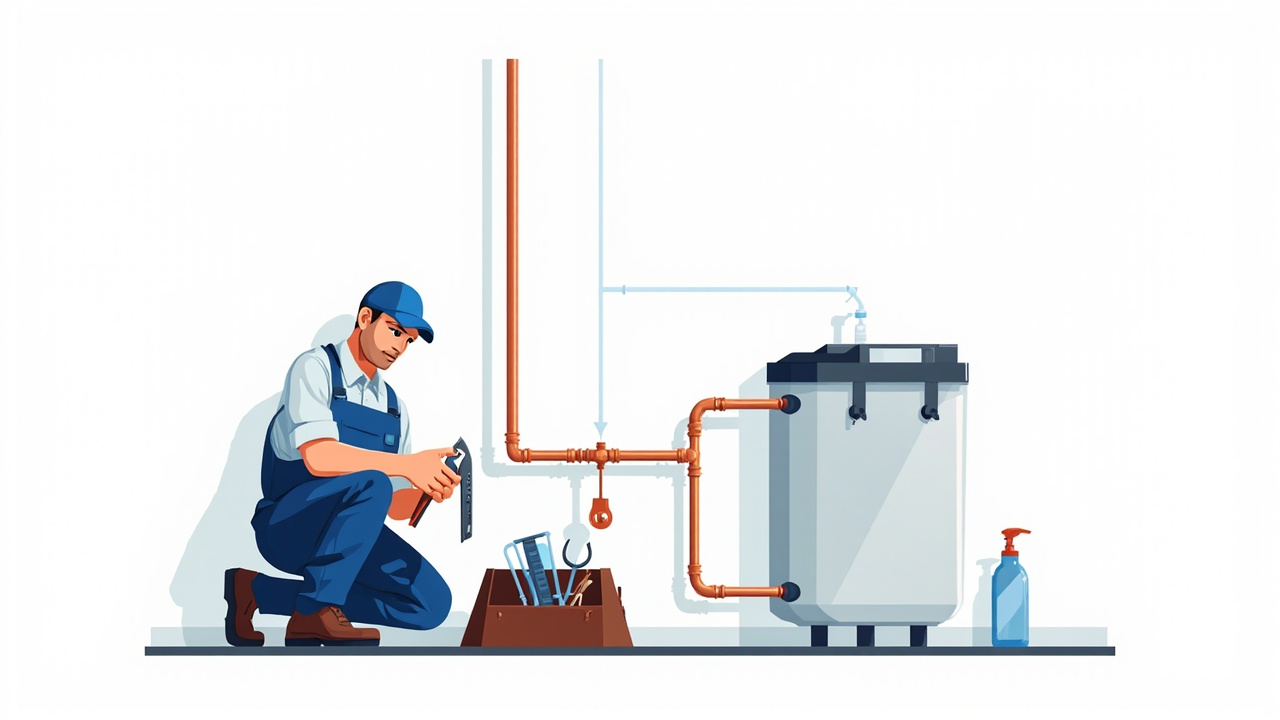
Keep DIY if: swapping a cartridge, flushing a spin-down screen, adding a second housing in-line with existing threaded fittings, or installing a filter on a garden hose bib.
Call a licensed plumber if:
- Cutting into the main water line (requires soldering copper or PEX crimp tools)
- Relocating an existing filter or softener
- Active leak at the housing fittings or drain
- Low pressure across the whole house that persists after a cartridge swap (could be a buried valve, pressure tank, or main-line issue)
We do not maintain a directory of plumbing companies or take referral fees. Find a licensed plumber through your state’s contractor licensing board.
Related
- Softener vs RO vs whole-house filter — the full three-way comparison if you are choosing between systems
- How water softeners work — ion exchange explained if you realize hardness is your real problem
- How to choose a water softener — sizing and features if a softener is what you need
- Salt vs salt-free water softener — the honest limits of salt-free conditioners
- Water hardness explained — what gpg means and how to test before you buy anything
- What is hard water? — the beginner overview if you are new to water treatment
Key takeaways
- A whole-house (point-of-entry) filter treats all water entering the home. Every tap gets filtered water.
- Filters remove sediment, chlorine, and rust. They do not remove dissolved hardness minerals (calcium and magnesium).
- Stage sediment before carbon. A pre-filter extends carbon cartridge life significantly.
- Well water needs a coarser, flushable pre-filter (spin-down 50 to 100 micron) before the main housing.
- Replace cartridges on schedule, not on failure. A clogged filter can bypass internally and send unfiltered water downstream.
- Salt-free conditioners reduce scale formation but do not lower gpg on a test strip. A TAC conditioner rated for 600K gallons is not a softener, no matter what the box says.
- Test your water before buying. A $10 hardness strip and a $30 iron test prevent buying the wrong system.