If every shower door fogs with white film two days after you clean it, and the soap won’t lather no matter how much you use, you don’t need a harder scrubber—you need to understand what’s in the water. Buying a softener based on an ad’s grain number without knowing how the cycle works is how people still get spots, waste salt, and call a plumber for a problem that’s just an empty brine tank. Here’s how a salt-based softener actually runs, in plain steps.
Quick answer
A water softener removes hardness minerals (calcium and magnesium) by passing household water through a tank of resin beads pre-loaded with sodium ions. The minerals swap places with the sodium in a process called ion exchange. Once the beads are full, the system regenerates: it flushes concentrated salt brine through the tank that strips the minerals away, recharges the beads with fresh sodium, rinses the bed clean, and returns to service.
Softening in plain English
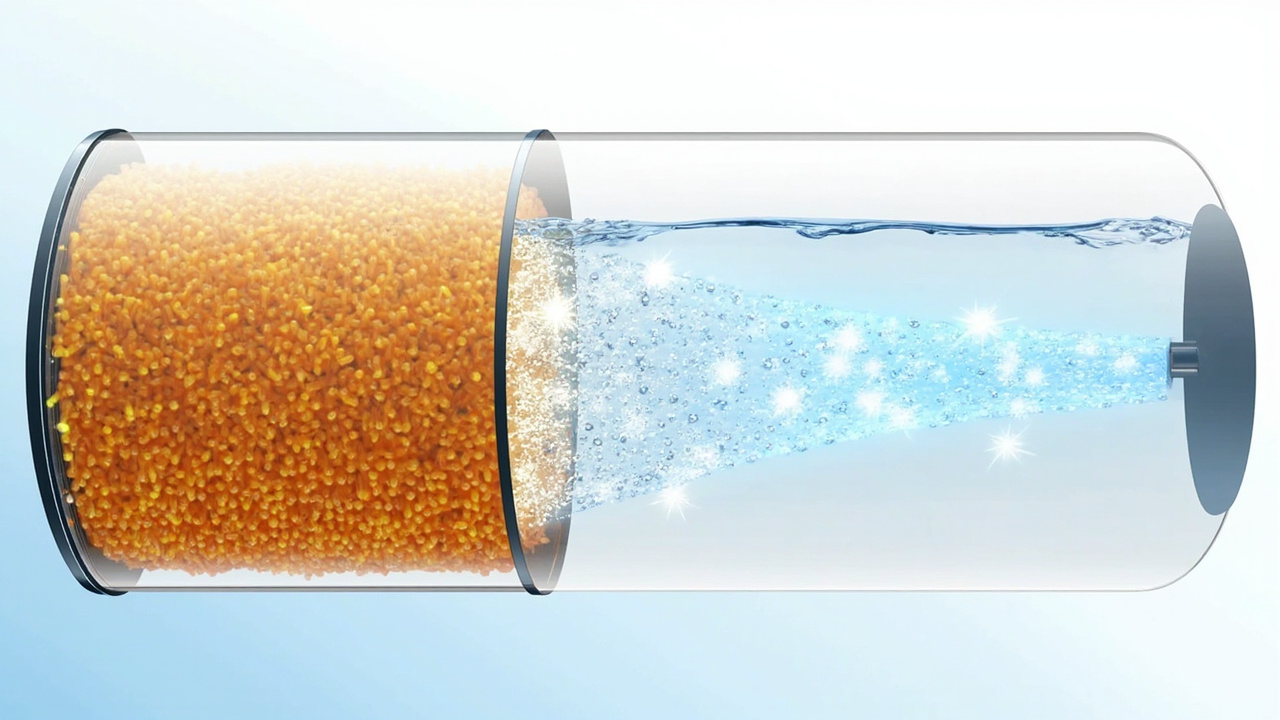
Hard water enters the mineral tank from your main supply line. Inside the tank are thousands of tiny polystyrene resin beads, each pre-loaded with sodium ions. As hard water passes through the bead bed, calcium (Ca2+) and magnesium (Mg2+) ions cling to the resin and push off sodium ions in exchange. That swap is ion exchange—the core chemistry behind every salt-based softener on the market.
The water exiting the tank now carries dissolved sodium instead of calcium and magnesium. That’s “soft” water. It won’t leave scale on faucets, won’t react with soap to form scum, and won’t coat your water heater element with a mineral crust that slowly strangles efficiency.
Why sodium? It dissolves cleanly, doesn’t form scale deposits, and is present at low enough concentrations to be safe in household water. A typical softener adds roughly 8 mg of sodium per liter for every grain of hardness removed, per the Water Quality Association. For moderately hard water at 7 gpg, that’s about 56 mg/L of added sodium—less than what’s in a slice of bread.
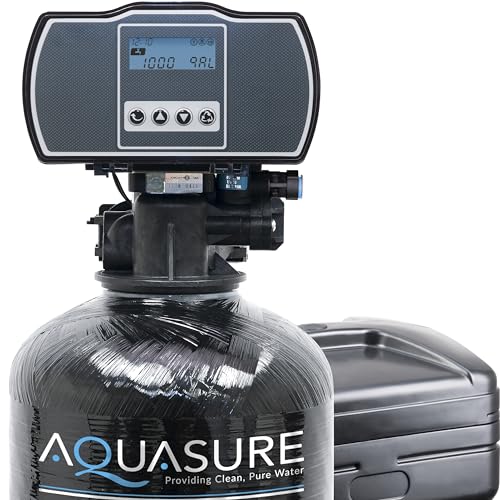
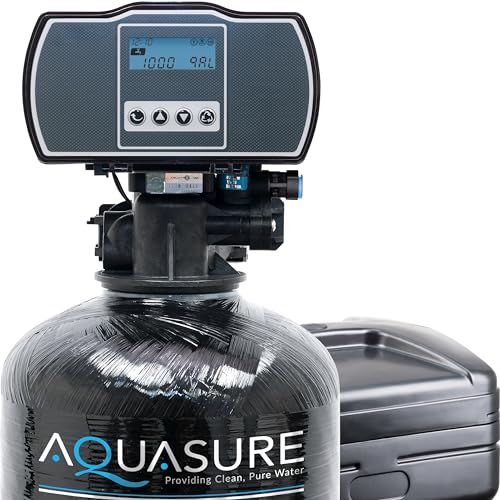
The resin doesn’t get consumed. It just gets coated in hardness ions until it can’t hold any more. That’s where regeneration comes in. A typical residential system like the Aquasure Harmony 32,000-grain softener carries about one cubic foot of resin—enough for 1-4 person households on moderately hard water.
Before you go further, make sure you know your starting number. If you haven’t tested yet, read what hard water actually is and water hardness levels and how to measure them. Guessing at a 32,000-grain unit without knowing your gpg is how people buy the wrong size.
Skip this section if you already understand ion exchange and just need the regeneration steps—scroll down to “Regeneration and the brine tank.”
Regeneration and the brine tank
The resin bed can only hold so many calcium and magnesium ions. When it nears capacity, the control valve initiates regeneration—a multi-stage cleaning cycle that takes 60 to 120 minutes and runs automatically, usually overnight.
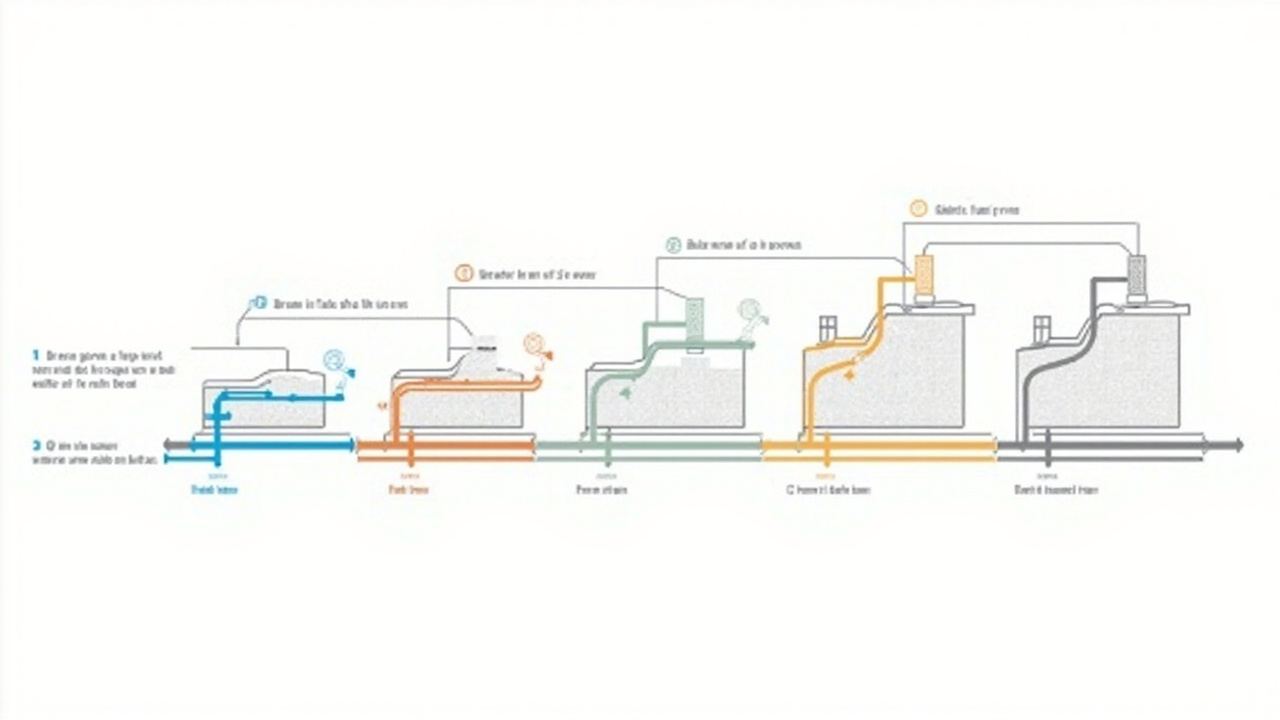
Here are the five stages every salt-based softener runs, in order:
1. Backwash
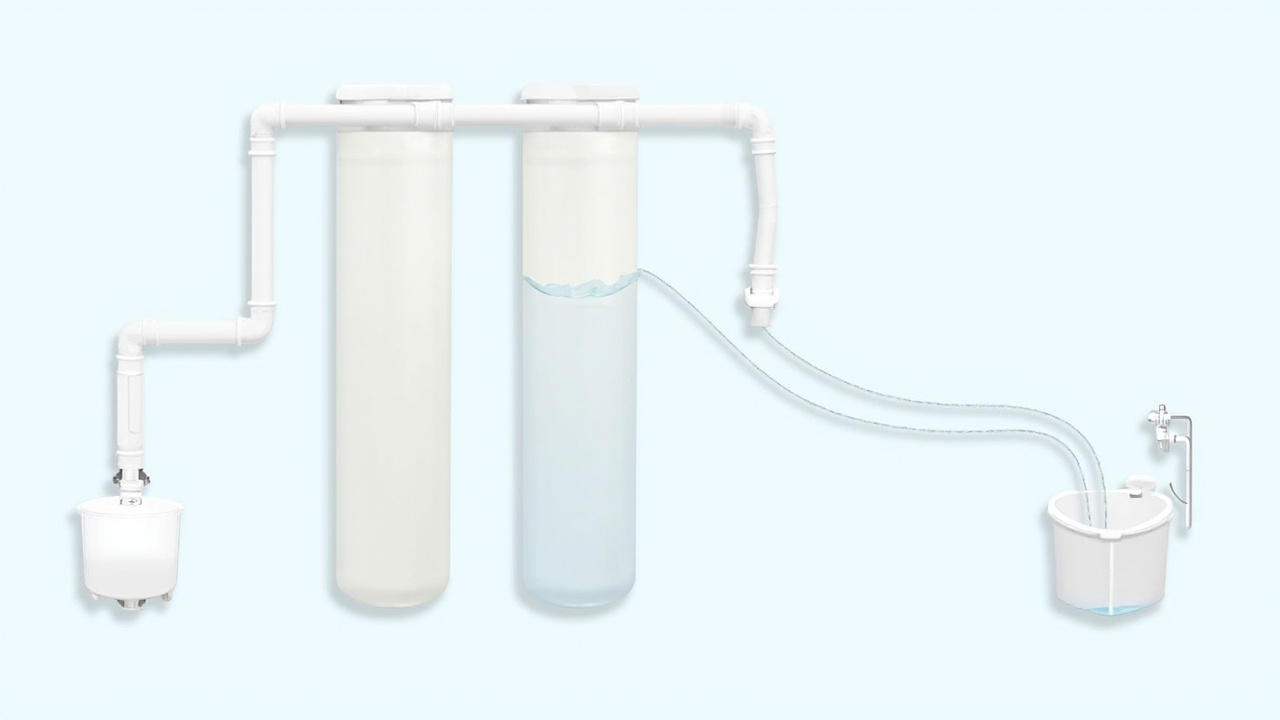
Water flows upward through the resin bed, expanding it and flushing out accumulated sediment, dirt, and suspended particles that settled on top of the beads. This lifts the bed and prevents channeling (water finding a shortcut through the resin instead of passing through evenly). Duration: 10 to 15 minutes.
2. Brine draw (slow rinse)
Concentrated salt brine is drawn from the brine tank and slowly pushed through the resin bed. The high sodium concentration overwhelms the calcium and magnesium clinging to the beads, forcing them off and replacing them with sodium again. This is the reverse of the service cycle—the same ion exchange, running backward. Duration: 30 to 60 minutes.
3. Slow rinse
Clean water continues to push the remaining brine through the bed at a slow rate, ensuring all displaced hardness ions are flushed to drain. Duration: 5 to 10 minutes.
4. Fast rinse
A faster water flow packs the resin bed back down into a tight column and removes any residual brine. Duration: 5 to 10 minutes.
5. Brine tank refill
The control valve refills the brine tank with a measured amount of fresh water so salt can dissolve and create a new batch of brine for the next cycle. Duration: 5 to 10 minutes.
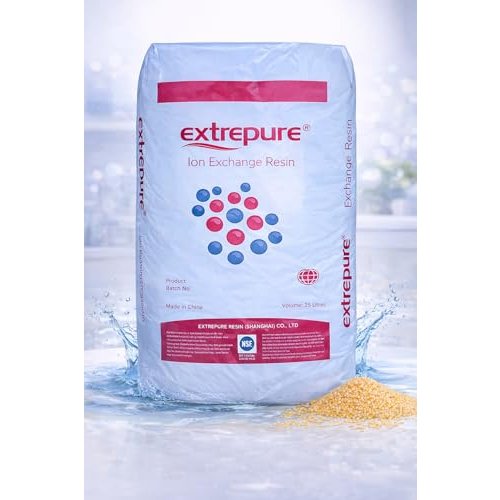
Here’s the key concept most people misunderstand: regeneration is why you add salt. The salt itself never touches your household water. It only dissolves in the brine tank to create the concentrated solution that recharges the resin during regeneration. By the time water reaches your tap, the brine has been fully rinsed out through stages 3 and 4. When resin eventually degrades after years of use, replacement resin (1 cu ft, 32K grain) refills a standard tank without replacing the whole unit.
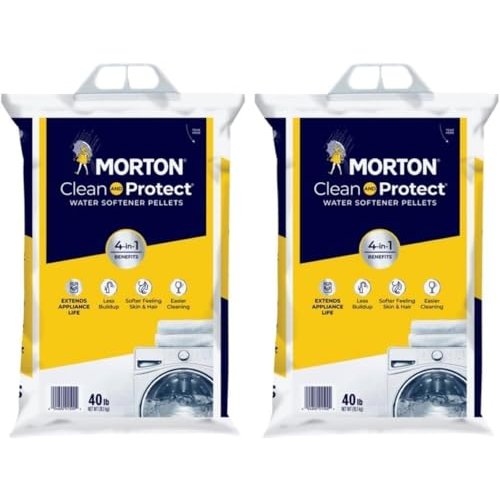
If the brine tank runs dry—no salt, no brine, no regeneration—the resin stays coated in hardness and your water goes hard again within days. That’s why keeping Morton salt pellets (40 lb, 2-pack) stocked isn’t optional maintenance. For choosing between pellets, crystals, and blocks, see our salt pellets vs crystals guide.
Metered vs timer heads
Every softener has a control valve (the “head”) that decides when to regenerate. There are two types:
Metered (demand-initiated)
A metered valve counts the gallons of water used and regenerates only when the resin is actually near exhaustion. It’s more salt-efficient and water-efficient because it doesn’t waste a cycle on a day you used less water than usual. This is the standard on most modern systems. The Aquasure Harmony 32,000-grain softener is a common metered example for 1-4 person households. If you have 5+ people or water above 15 gpg, the Aquasure Harmony 48,000-grain unit steps up the resin capacity so you regenerate less often.
Timer (clock-based)
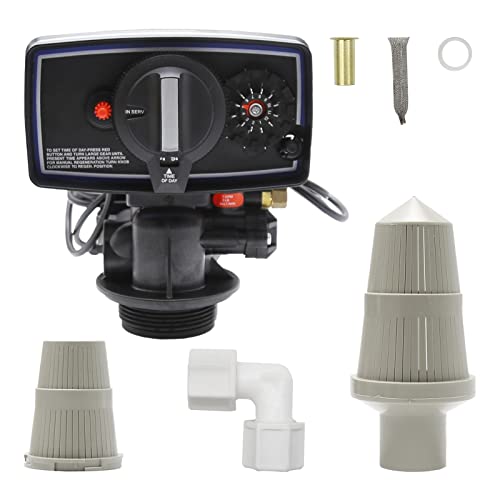
A timer valve regenerates on a fixed schedule—for example, every 3 days at 2 AM—regardless of actual water usage. It wastes salt if usage is low (regenerating when the resin isn’t full yet) and can run out of capacity if usage spikes (guests, extra laundry). Timer heads are common on older or budget systems. If yours fails, a 5600 timer control valve replacement fits standard 9-11 inch tanks.
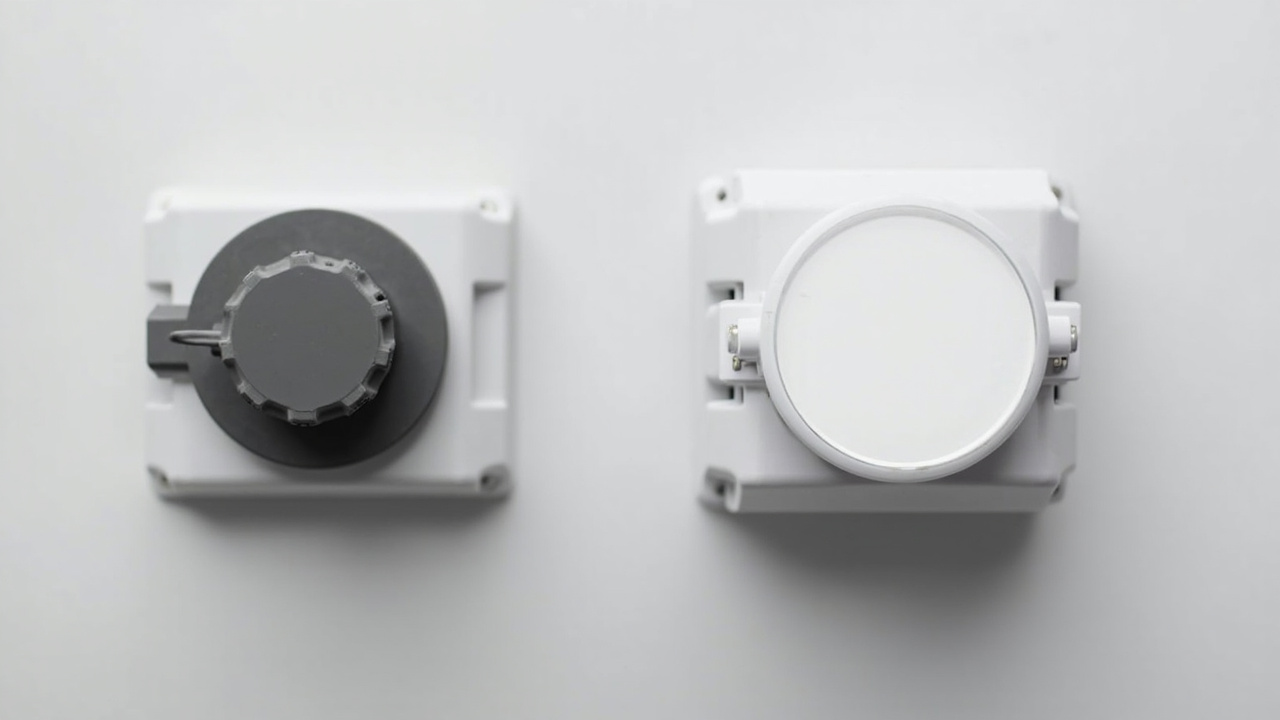
Takeaway: If you’re choosing a system, demand-initiated (metered) is the default recommendation for efficiency. Timer-based is fine if your usage is very predictable and you don’t mind a little extra salt.
What a softener does NOT remove
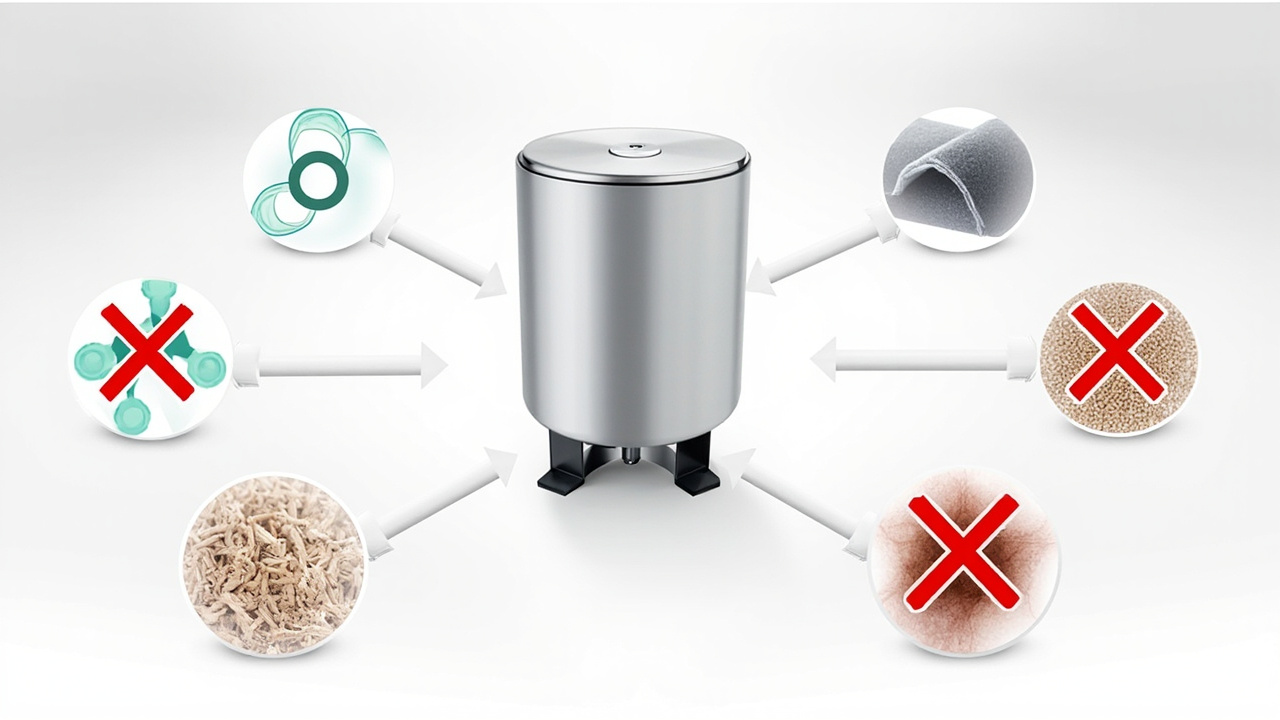
A salt-based ion exchange softener targets only dissolved hardness minerals: calcium, magnesium, and to some degree dissolved iron up to about 3 ppm. It does not remove:
- Chlorine and chloramine — needs an activated carbon filter
- Lead, arsenic, and other heavy metals — needs reverse osmosis or specialized media
- Bacteria and viruses — needs UV sterilization or chlorination
- Sediment and particulates — needs a pre-filter, usually 20-50 micron
- Nitrates and sulfates — needs anion exchange or reverse osmosis
- Dissolved iron above ~3 ppm — needs a dedicated iron filter
Don’t buy a softener expecting better-tasting water. Softeners exchange minerals; they don’t filter contaminants. If your issue is chlorine taste or odor, you need a whole-house carbon filter or an under-sink carbon unit, not a softener. See whole-house water filters and softener vs RO vs filter.
Softener vs filter vs RO (one screen)
Before you assume a softener solves everything, here’s the short version:
- Softener (salt): swaps hardness minerals. Fixes scale and spotting on fixtures when it regenerates correctly.
- Whole-house carbon or sediment filter: improves taste, chlorine, and dirt. Not softening.
- Reverse osmosis (usually under sink): polishes drinking and cooking water. Not every shower.
If you only care about drinking taste, RO may matter more than a softener. The two systems serve different problems and can work together—but one doesn’t replace the other.
Salt and maintenance loop
The regeneration cycle depends on three consumables and one replacement cycle. Skip any of these and the system degrades:
Check salt monthly. Keep the brine tank at least one-third full. Running out of salt means no brine, no regeneration, and hard water returns within days. A standard 40 lb bag of Morton salt pellets lasts a typical household 2-4 weeks depending on hardness and usage.
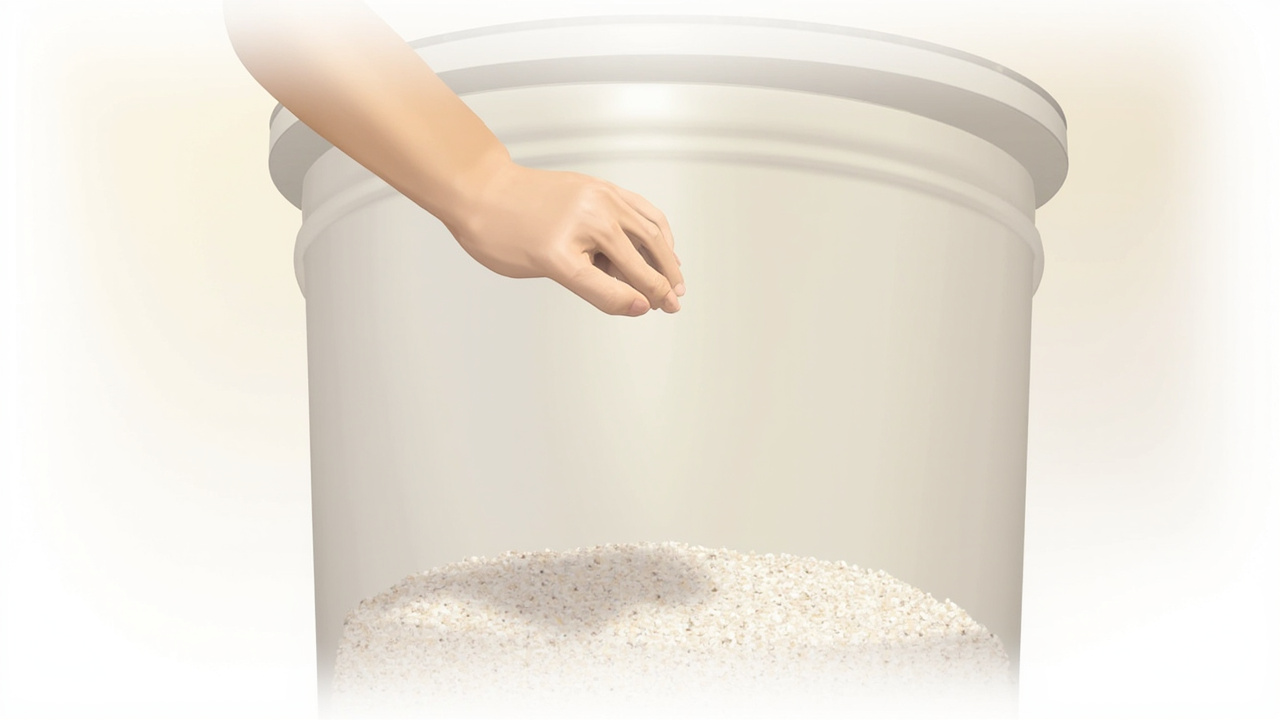
Use the right salt form. Pellets for most systems. Crystals if your manufacturer specifies. Avoid rock salt (too many impurities that foul the resin). See our salt pellets vs crystals guide for the if-then.
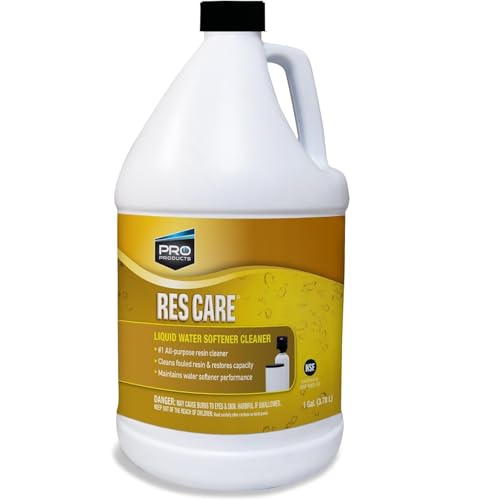
Clean the resin every 3-4 months. Iron and sediment build up on beads even with good salt, reducing exchange capacity by 20-40% before you notice hard water. A quarterly treatment with Pro Products Res Care cleaner dissolves the fouling and restores efficiency. It costs about $7 per use and extends resin life by years.
Replace resin every 8-12 years. Resin beads physically degrade over time—they crack, fragment, and lose capacity. Signs that resin is done: persistent hard water even with salt and correct settings, or visible bead fragments in the drain line. A 1 cu ft replacement resin (32K grain) refills a standard tank. Choose 7% cross-linked if your water is chlorinated; 10% if not.
Service the control valve. Timer and metered heads have O-rings, seals, and pistons that wear out over years of use. A leaking or stuck valve usually means a seal kit, not a whole new softener.
Common mistakes
1. Letting the salt run out
The single most common cause of sudden hard water. Without salt, there’s no brine, and the resin never regenerates. Keep Morton Clean and Protect salt pellets (40 lb, 2-pack) stocked so you don’t run dry. Check the brine tank monthly—don’t wait until the shower feels hard again. If your softener stopped regenerating entirely, our water softener not regenerating troubleshoot walks through the bypass, power, and salt checks first.
2. Using the wrong salt type
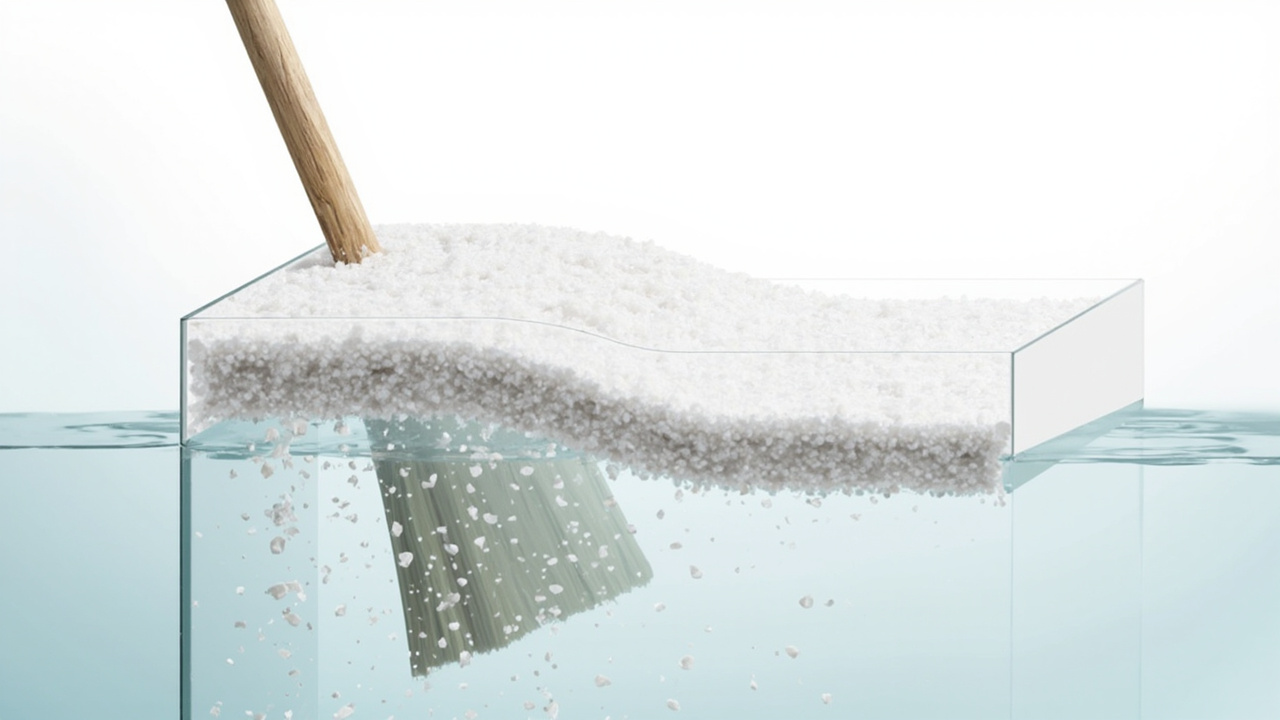
Rock salt or solar salt with high impurity levels causes bridging—a solid crust forms in the brine tank and blocks water from reaching the salt below. Use clean pellets or crystals per your manufacturer’s specification. If you keep getting bridges, the brine tank may be in a damp spot, or the salt form may not suit your tank design.
3. Skipping resin cleaner

Iron fouling is invisible. You won’t see it, but it reduces capacity by 20-40% and shortens resin life. A quarterly resin cleaner treatment costs about $7 per use and dissolves the buildup before it becomes permanent. If you’re on well water with iron above 1 ppm, treat every 2 months instead.
4. Setting regeneration too infrequently
If you have a timer-based system set for every 7 days but you use enough water to exhaust the resin in 4 days, you’ll get hard water for 3 days each cycle. Test with hardness strips after regeneration to confirm the setting matches your actual usage. If you have a metered system, make sure the hardness and household size settings on the head match reality.
5. No pre-filter for well water
Sediment, iron, and manganese in well water clog resin beads rapidly. A $20 sediment pre-filter installed before the softener protects a $500+ resin bed. If you’re on a well, this isn’t optional—it’s the cheapest insurance for your softener.
When to call a pro
Keep DIY if: testing hardness, setting the control head, adding salt, breaking a salt bridge, swapping a cartridge, or replacing resin beads.
Call a licensed plumber if:
- Cutting into the main supply line or relocating the unit
- Active leak at fittings or the drain line
- Control board or electrical faults beyond a simple reset
- Well pump or pressure tank issues
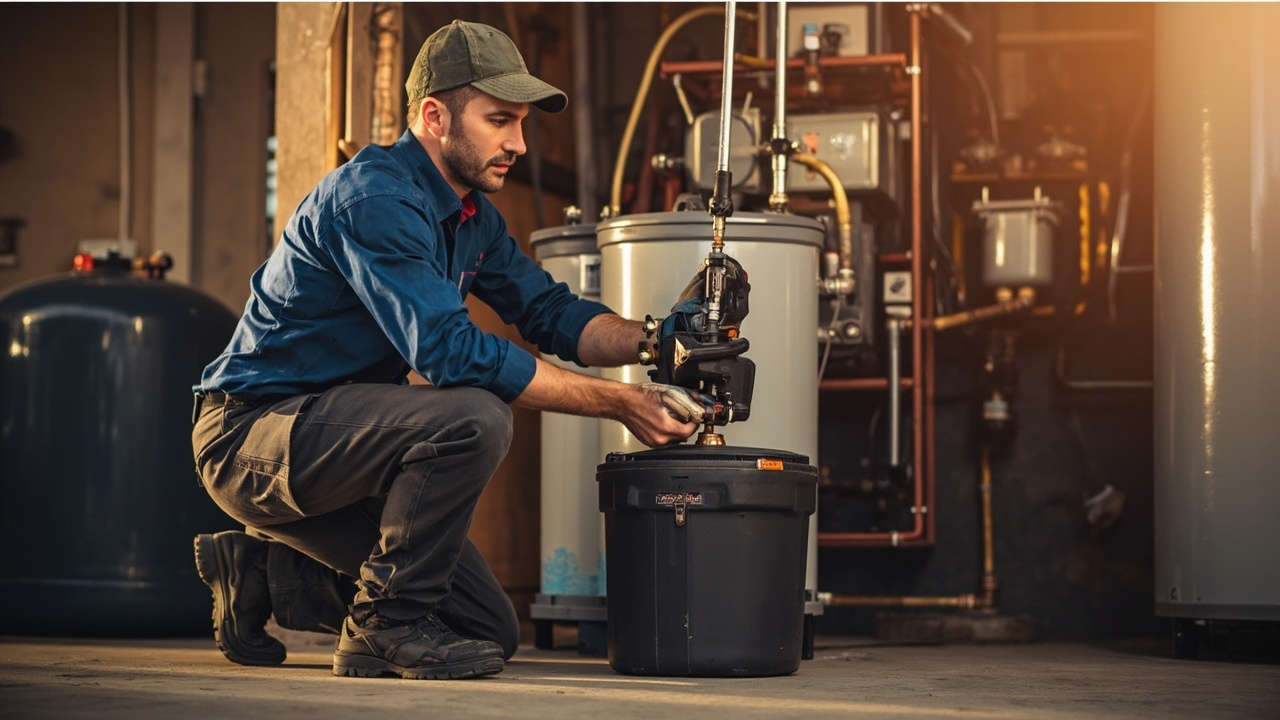
We do not rank installation companies or recommend specific plumbers. The decisions above—salt form, maintenance schedule, and troubleshooting steps—are things most homeowners can handle themselves. A worn timer valve can be swapped with a 5600-compatible replacement head without calling anyone, as long as you shut off the water first.
Related
- What hard water actually is — understand the minerals before learning how a softener removes them
- Water hardness levels and how to measure them — find your gpg before sizing a system
- Salt pellets vs crystals — choosing the right salt form for your brine tank
- Hard water vs soft water — what actually changes when you switch
- Water softener not regenerating — troubleshoot when the cycle stops
- Softener size calculator — estimate grain capacity before you buy
Key takeaways
- A water softener works by ion exchange: calcium and magnesium swap places with sodium on resin beads.
- The beads don’t wear out—they get coated in hardness minerals and need cleaning by regeneration.
- Regeneration runs in five stages: backwash, brine draw, slow rinse, fast rinse, brine tank refill.
- Salt creates the brine that recharges the resin; the salt itself never enters your household water.
- Metered (demand-initiated) valves are more efficient than timer-based ones because they regenerate only when needed.
- A softener does not remove chlorine, lead, bacteria, or sediment—those need separate treatment.
- Monthly salt checks and quarterly resin cleaner equal years of trouble-free softening.