Quick answer
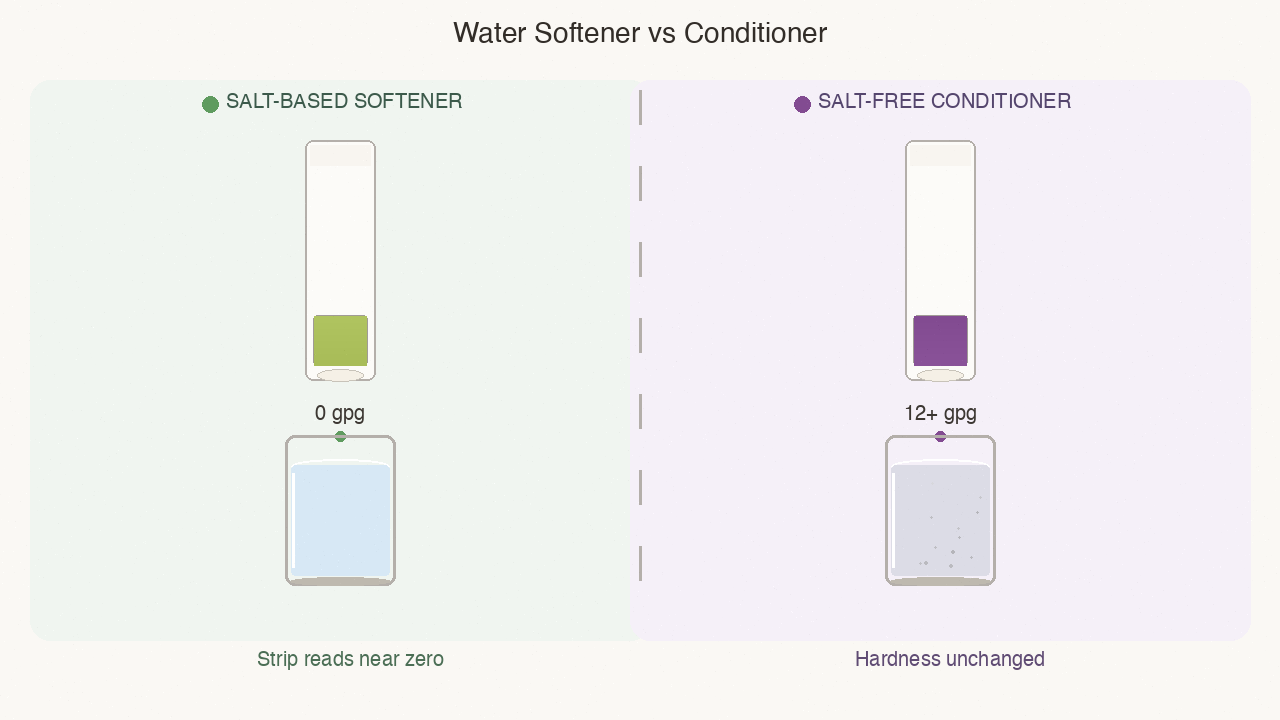
A salt-based softener removes calcium and magnesium through ion exchange, so a hardness strip reads near 0 gpg. A salt-free conditioner (TAC, Template Assisted Crystallization) leaves the minerals but changes their shape so they don’t stick to pipes and fixtures. If you want measurable softness — better soap lather, slicker skin feel — pick a salt-based softener. If you mainly want to stop scale without buying salt, generating wastewater, or running electricity, a salt-free conditioner is the trade-off.
What “conditioner” actually means (and why the wording trips people up)
The water industry uses “conditioner” loosely. Some brands call any salt-free scale-prevention device a conditioner; others use it interchangeably with “descaler” or “anti-scale system.” Most products you’ll see in the salt-free aisle are TAC-based: water passes through a media bed, dissolved calcium and magnesium get converted into microscopic crystals, and those crystals stay suspended in the water instead of depositing on surfaces. That is the honest mechanical reality.
The confusion comes from marketing copy that calls these “salt-free softeners.” They are not. The Water Quality Association classifies TAC devices as conditioners, not softeners, precisely because they don’t reduce hardness grains. Your water still tests hard on a strip. If you want a softer feel and measurable gpg reduction, only salt-based ion exchange delivers that. This article uses softener to mean salt-based ion exchange and conditioner to mean TAC/salt-free, and that distinction is the spine of the comparison below.
- Skip this article if you have already decided on a salt-based unit and just want sizing help — go straight to how to choose a water softener.
- Don’t assume “salt-free softener” on a box means softened water. It usually means scale prevention only.
Side-by-side comparison
This is the shortest path to a decision. The table covers the four dimensions that actually drive a buying choice — mechanism, maintenance, cost, and fit.
| Dimension | Salt-based softener | Salt-free conditioner (TAC) |
|---|---|---|
| Mechanism | Ion exchange: resin swaps Ca²⁺ and Mg²⁺ for Na⁺. Hardness is physically removed. | Template Assisted Crystallization: minerals converted to inert crystals. Hardness stays in the water, but doesn’t stick to surfaces. |
| Removes hardness grains? | Yes, water exits at 0 to 1 gpg | No, water exits at original gpg |
| Scale prevention | Excellent, almost no minerals left to deposit | Good, crystals pass through without sticking |
| Soap lather and skin feel | Significant improvement | Minimal, minerals still present |
| Salt required | Yes, 40-lb bag every 4 to 6 weeks for most homes | No |
| Electricity | Yes, powers the control valve | No |
| Drain connection | Required for regeneration wastewater | Not needed |
| Wastewater per regen | 20 to 80 gallons | None |
| Upfront unit cost | $400 to $900 | $350 to $800 |
| Annual operating cost | $80 to $150 (salt, cleaner, extra water) | About $0 (no consumables) |
| TAC media replacement | n/a | Every 3 to 6 years ($200 to $400) |
| NSF/ANSI certification | NSF/ANSI 44 (cation exchange softeners) | None applicable (not certified to reduce hardness) |
If the table already tips you one way, jump to how water softeners work for the salt-based deep dive, or jump to the salt vs salt-free sister article if your real question is whether salt-free conditioners work at all.
How salt-based softening actually works
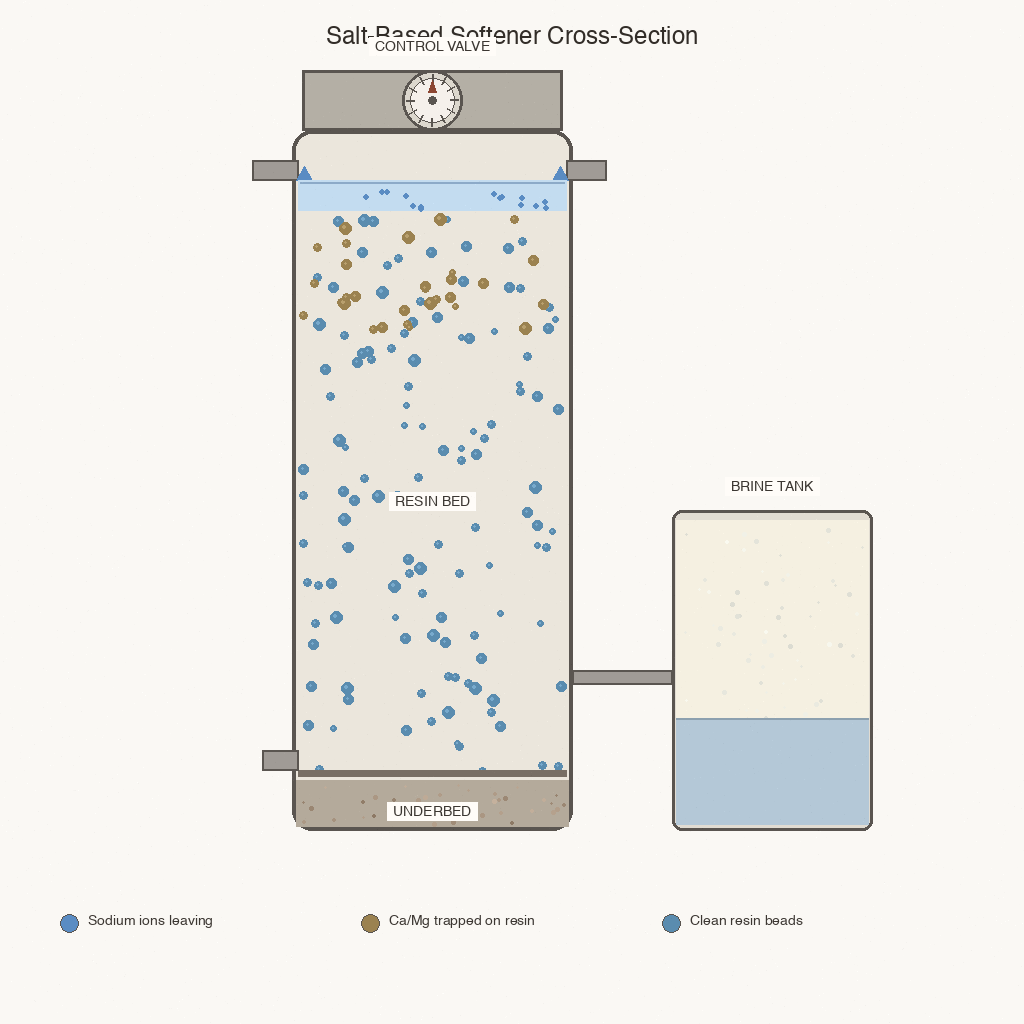
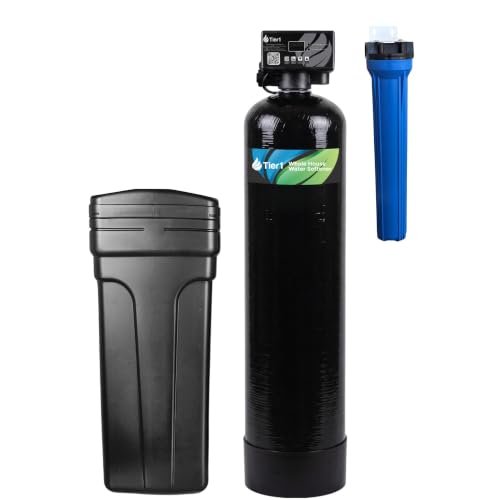
A salt-based softener is a tank of polystyrene resin beads connected to a smaller brine tank. As hard water flows through the main tank, the resin swaps its sodium ions for calcium and magnesium. The hardness minerals get trapped on the beads, and sodium takes their place in the water leaving the unit. That swap is called ion exchange, and it is the only residential method that physically removes hardness. For a full walkthrough, see how water softeners work.
The catch is finite capacity. Once the resin loads up with calcium and magnesium, the softener regenerates: it flushes a salt brine through the bed, which pushes the trapped minerals down the drain and recharges the beads with sodium. That regeneration is why you need salt, a drain line, and a small amount of electricity to run the control valve.
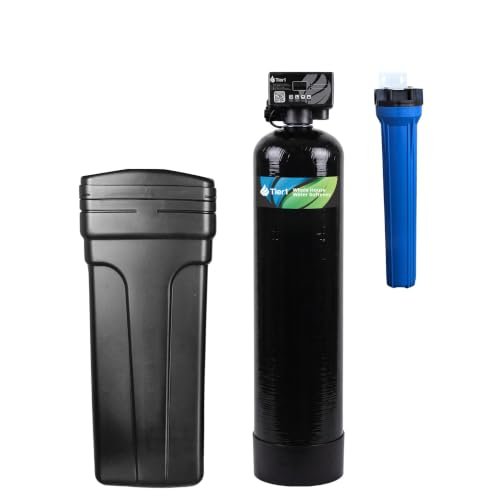
For 3 to 4 bathroom homes on a budget, the Tier1 32,000 grain softener covers typical demand at around $509. The newer Tier1 32,000 grain unit shares the same platform but ships in updated packaging. Most buyers stick with conventional ion-exchange resin and a brine tank; salt-free conditioners in the next section cover households that want scale control without regeneration salt.
How salt-free conditioning works (and what it doesn’t do)
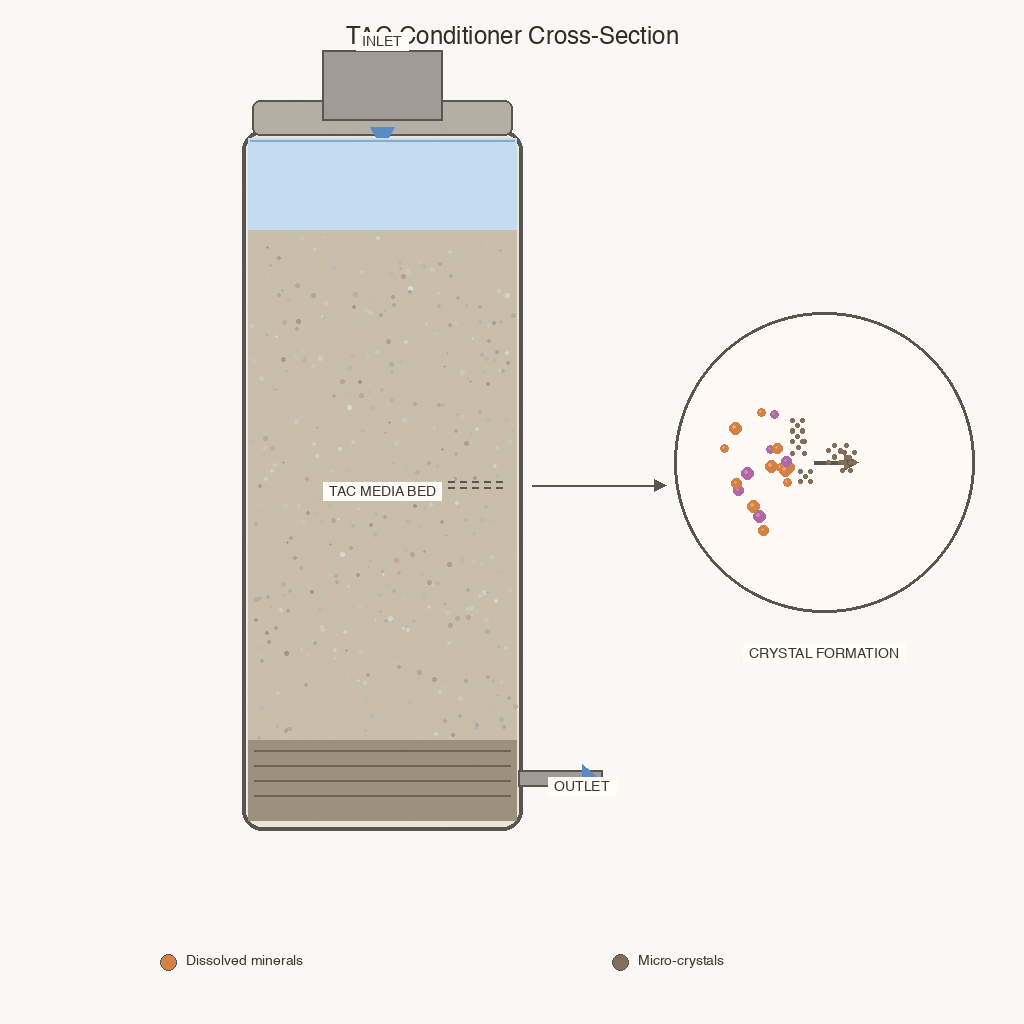
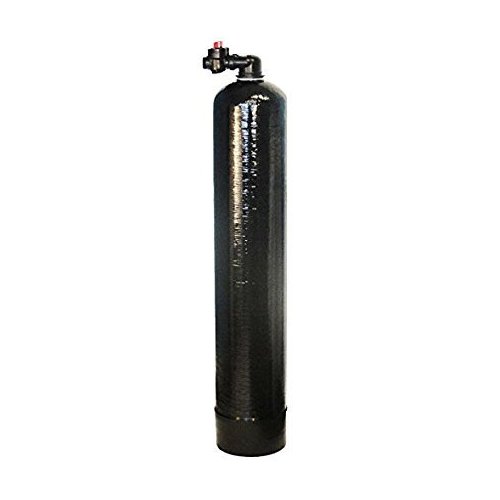
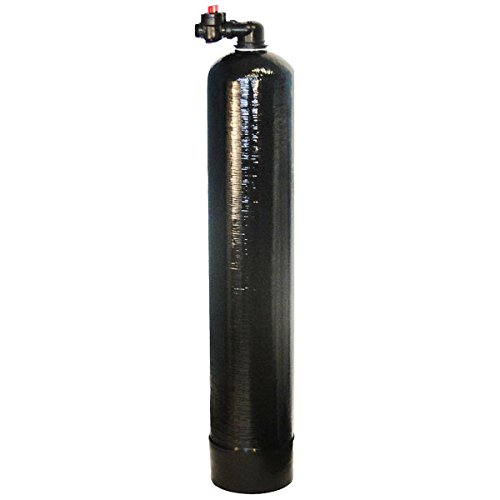
A salt-free conditioner is a single tank filled with TAC media. As water passes through, dissolved calcium and magnesium ions are converted into microscopic crystal structures that stay suspended in the water instead of bonding to pipe walls, heating elements, or glass. The crystals eventually flush out through your normal drains. The science is sound for scale prevention; the marketing sometimes overstates it.
The honest part: TAC doesn’t remove hardness. Your water still tests at the same gpg on a strip, and the minerals are still present. Soap lather may not improve. The slick, slippery feel of truly soft water will likely be absent or very subtle. The WQA classifies TAC devices as conditioners rather than softeners for that exact reason — they don’t reduce measured hardness.
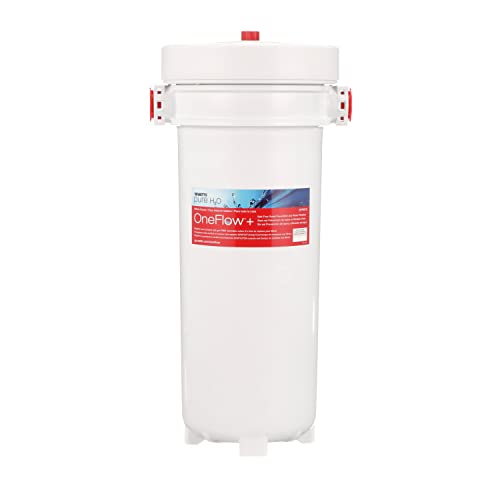
The upside is what you give up in feel, you get back in convenience. No salt to buy. No electricity. No drain connection. No regeneration wastewater. For city or well water with moderate hardness (5 to 15 gpg), a TAC system keeps fixtures and water heaters clean without the operating chore. The Premier 10 GPM TAC descaler is the entry-level whole-house option. The 12 GPM TAC scale-prevention system gives larger homes higher flow with a longer replacement interval. For a compact US-made Premier cartridge unit, the Watts Premier OneFlow Plus salt-free system uses TAC media in a wall-mount housing instead of a full-size tank.
- Skip salt-free if what you really want is softer skin in the shower or better soap lather. TAC won’t deliver either.
- Don’t trust the box that says “softens without salt.” It almost always means scale prevention, not measurable hardness reduction.
Maintenance and operating cost over 5 years
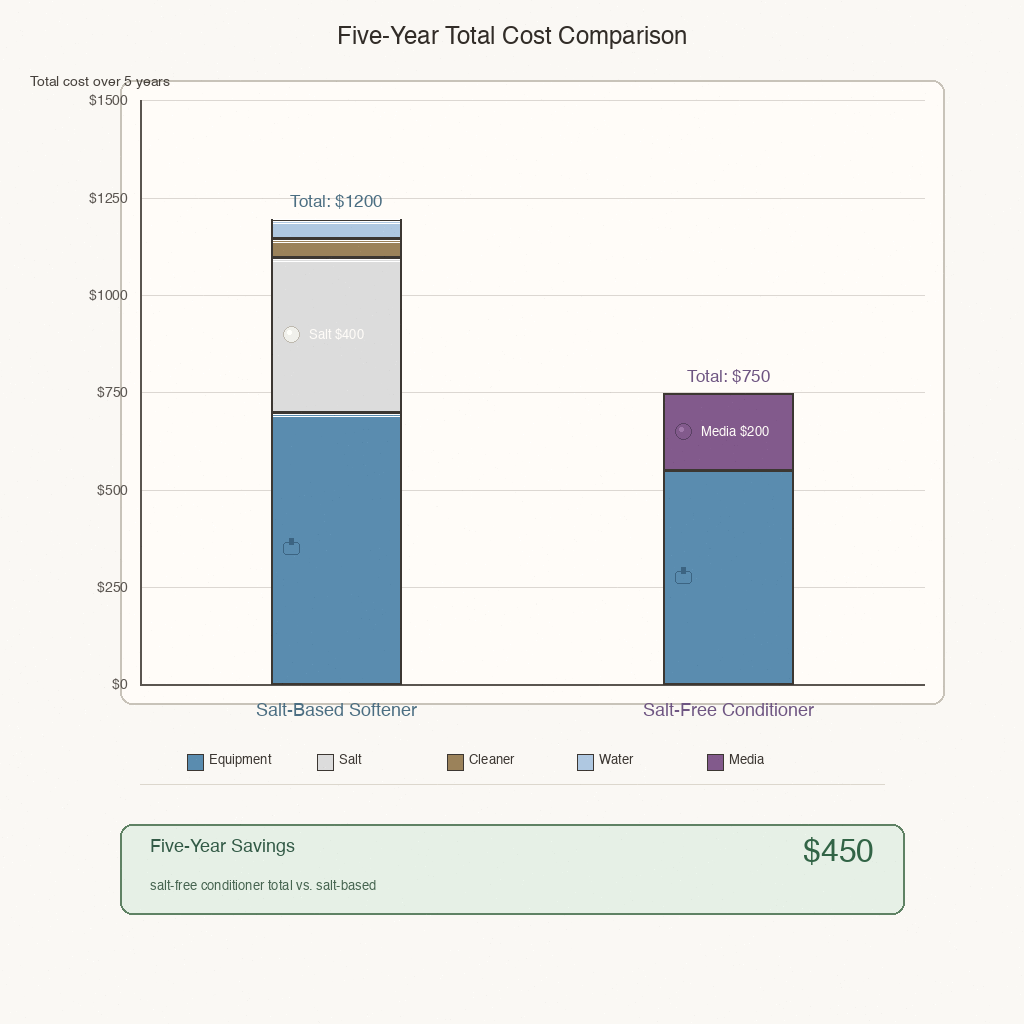
The first-year purchase price tells only part of the story. The honest five-year picture looks like this.
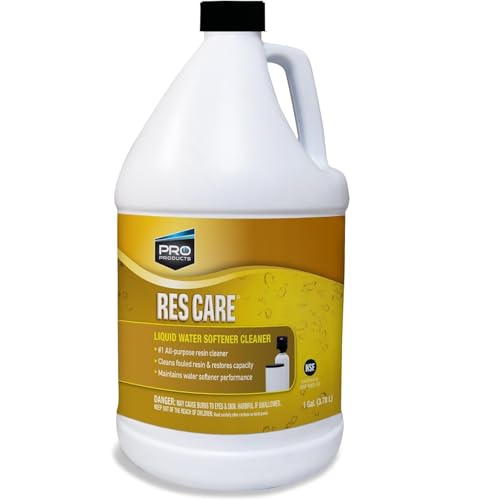
A salt-based softener costs $400 to $900 upfront, then $80 to $150 per year for salt, occasional resin cleaner, and the extra water that goes down the drain during regeneration. Over five years, the all-in cost lands around $1,000 to $1,800 depending on your hardness and household size. In return, you get measurable softness, less soap use, and longer appliance life. Adding a Res Care cleaner dose once or twice a year restores resin capacity and keeps the unit running efficiently.
A salt-free conditioner costs $350 to $800 upfront with effectively no annual operating cost. The media itself lasts 3 to 6 years, and replacement runs $200 to $400 installed. Over five years, the all-in cost lands around $500 to $1,200 — usually less than a salt-based system. The trade-off is what you don’t get: measurable hardness reduction, slick water feel, or noticeable improvement in soap lather.
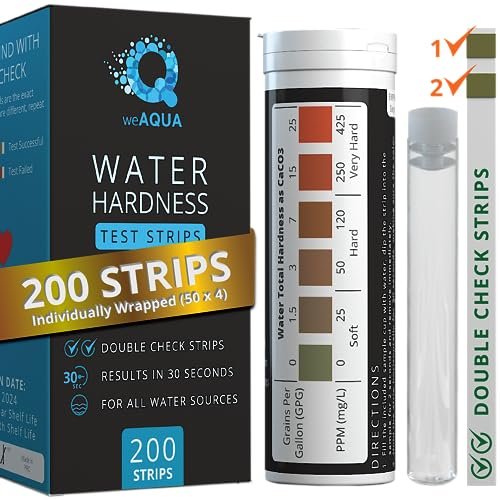
If you don’t already know your hardness number, pick up a hardness test kit and confirm your gpg before you commit. The five-year math changes a lot between 8 gpg and 25 gpg city water.
Pros and cons
The table above compares them across dimensions. Here’s the human-readable summary — what each one actually delivers, what it costs you in convenience or operating chore, and where each one stumbles.
Salt-based softener — pros
- Removes hardness physically. A hardness test strip on treated water reads 0 to 1 gpg, which is the only honest definition of “soft water.”
- Real soap savings. Less shampoo, less dish soap, less laundry detergent. Many households see the difference in the shower within a week.
- Slick, slippery water feel. Skin and hair feel different. People used to soft water notice its absence immediately when they travel.
- Long, proven track record. Ion exchange has softened residential water since the 1930s. The technology isn’t new.
- Better appliance protection. Water heaters, dishwashers, and washing machines last longer because no minerals are scaling the heating elements.
Salt-based softener — cons
- Adds sodium to drinking water. Each grain of hardness swapped releases a small amount of sodium, usually well under 100 mg/L added. Safe for most people, but worth a conversation with your clinician if you’re on a strict low-sodium diet.
- Requires salt, electricity, and a drain. You buy a 40-lb bag every 4 to 6 weeks. The unit needs a power outlet and a drain line for regeneration wastewater.
- Regeneration wastewater. Each cycle sends 20 to 80 gallons of salty water down the drain. Some drought-prone or environmentally sensitive jurisdictions restrict this — check locally before you buy.
- Periodic resin cleaning. Resin beds lose capacity over time. A dose of resin cleaner once or twice a year restores performance and extends media life.
- Annual cost. Expect $80 to $150 per year for salt, cleaner, and the extra water that goes down the drain during regeneration.
Salt-free conditioner — pros
- No salt, no electricity, no drain. The unit is a passive tank. Install it and forget about it for years.
- No wastewater. Nothing flushes down the drain. This is the main reason some drought-prone jurisdictions allow salt-free where they restrict salt-based.
- Lower operating cost. No consumables to buy. Media replacement at year 3 to 6 is the only major expense.
- Quiet, no moving parts. No control head, no valve cycles, no brine tank noise.
- Good scale prevention on pipes and water heaters. Crystals don’t stick to surfaces.
Salt-free conditioner — cons
- Doesn’t reduce hardness. Your strip still reads your original gpg. If you want measurable softness, this is not a substitute. The distinction between TDS and hardness — and what your strip is actually telling you — is covered in the TDS explainer.
- Soap and skin feel unchanged. Minerals are still in the water. You won’t get the slick feel or the soap savings.
- Not NSF/ANSI 44 certified. The certification requires hardness reduction, which TAC doesn’t do.
- Weaker at very high hardness. Above about 15 gpg, scale protection drops off and you’ll likely end up wanting a softener anyway.
- Doesn’t address iron, sulfur, or manganese. If your well water carries iron above 0.3 ppm, you’ll see reddish staining the conditioner can’t prevent. Solve that first with a dedicated iron-in-water treatment upstream, or you’ll be back asking why my water softener isn’t working a year or two after install.
Who should pick which (and the if-then branches)
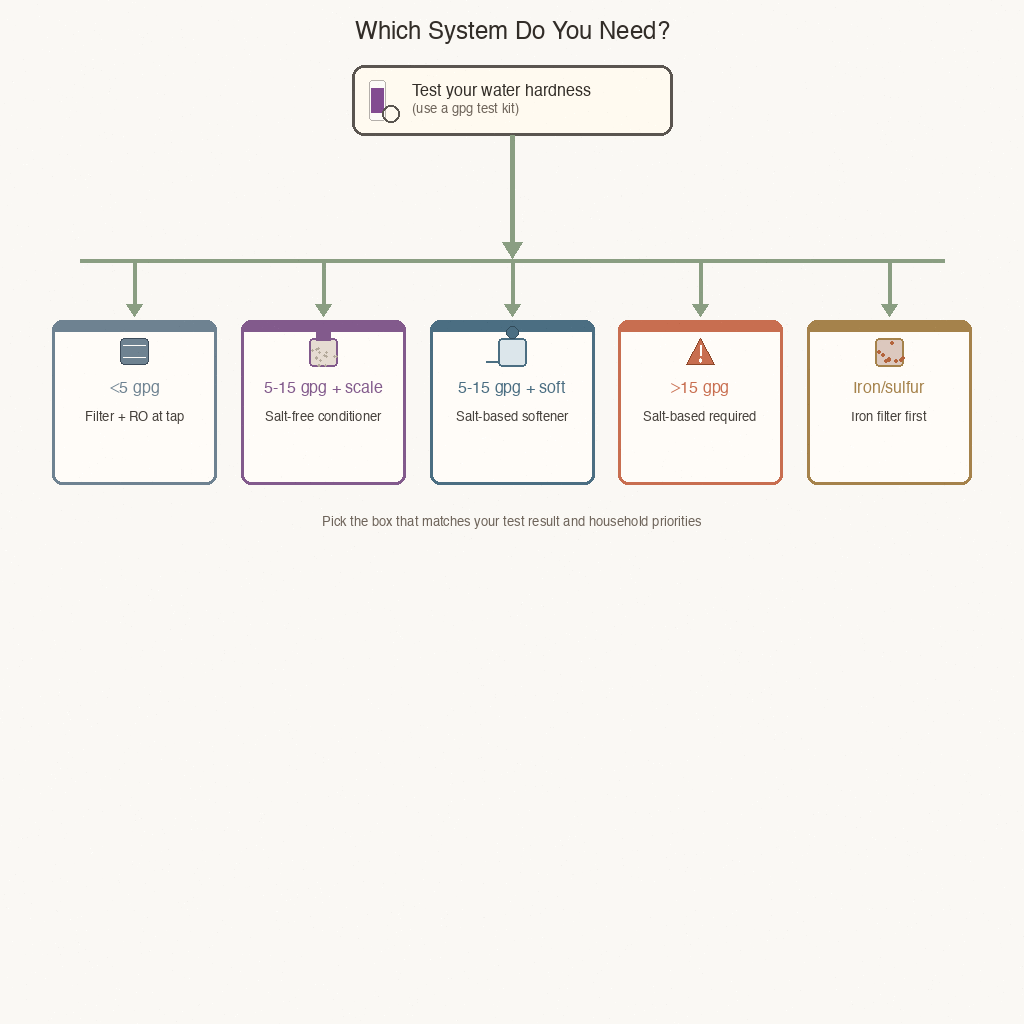
Use the branches below as a starting point. None of them override a water test on your specific supply.
- Pick a salt-based softener if your water tests above 15 gpg, you want measurable hardness reduction, you have a household of 4 or more with high daily usage, your city water is consistently very hard, or you specifically want the soft-water feel and soap savings. Also pick salt-based if you live somewhere that bans brine discharge is not an issue (most US jurisdictions allow it; some drought-prone areas restrict it).
- Pick a salt-free conditioner if your water tests in the 5 to 15 gpg range, you want scale prevention on pipes and water heaters, you’d rather not buy salt or run a drain line, or you live in a jurisdiction that restricts brine discharge. Salt-free is also a good fit if a household member is on a strict low-sodium diet and you want to avoid adding sodium to drinking water — though softened water is still safe for most people; talk to your clinician if concerned.
- Don’t pick either yet if your water tests below 5 gpg. At that level, a basic whole-house filter plus reverse osmosis at the kitchen tap is usually enough.
- Don’t pick TAC if your real problem is iron or sulfur. Salt-free conditioners don’t address those. You need a dedicated well-water iron filter first, then a softener or conditioner.
For a fast pick on a moderate budget, the Tier1 32,000 grain softener covers most 3 to 4 bath homes. For a salt-free quick take, the Premier 10 GPM TAC descaler is the most common entry-level unit. For the broader picture if you’re also weighing filtration or RO instead of either system, see softener vs RO vs whole-house filter.
Best choice scenarios
The if-then branches above cover the basics. Here are the specific situations readers ask about most, with a recommended path for each.
- City water at 8 to 12 gpg, two-person household, no local brine restrictions. A salt-free conditioner is enough. The hardness isn’t severe enough to demand ion exchange, and a TAC system keeps your water heater and fixtures clear of scale. The Premier 10 GPM TAC descaler handles typical demand at low operating cost.
- City water at 18 to 25 gpg, family of five, two water heaters. Go salt-based. At that hardness, a TAC unit’s scale protection drops off and you’ll likely end up buying a softener anyway. The Tier1 32,000 grain softener covers most 3 to 4 bath homes. Run a hardness test first with a 200-strip test kit — don’t size off the city’s general hardness range.
- Well water at 12 gpg with 0.5 ppm iron. This is the trap scenario. A salt-free conditioner alone won’t address the iron. Install a dedicated iron filter upstream, then a conditioner or softener downstream. If you skip the iron stage, you’ll see reddish staining and your softener resin will foul faster — which is one of the main reasons homeowners end up asking why their water softener isn’t working a year or two after install.
- Drought-prone jurisdiction with brine discharge restrictions. A salt-free conditioner is your best practical option. Some counties in California, Arizona, and Texas have local limits on regeneration discharge. Check before you buy, and if restrictions apply, a TAC unit keeps you compliant while protecting your plumbing from scale.
- Renter or short-term homeowner moving in 2 to 3 years. Don’t install either. The install cost won’t amortize. A countertop reverse osmosis unit at the kitchen tap plus a basic sediment filter handles drinking and cooking water; leave the scale problem for the next owner.
- Household member on dialysis or strict low-sodium diet. Softened water adds a small amount of sodium per liter. For most people it’s negligible, but if sodium intake is a medical concern, a salt-free conditioner — or a salt-based unit plus an under-sink RO for drinking water — keeps added sodium out of the equation. Talk to your clinician before deciding.
The decision isn’t about which technology is “better.” It’s about which one matches your water test, your jurisdiction, and what you actually want your water to do — measurable softness, scale prevention, or both. If you want a single number to anchor the choice, your TDS reading tells you where your hardness is sitting relative to typical city supplies.
Common mistakes
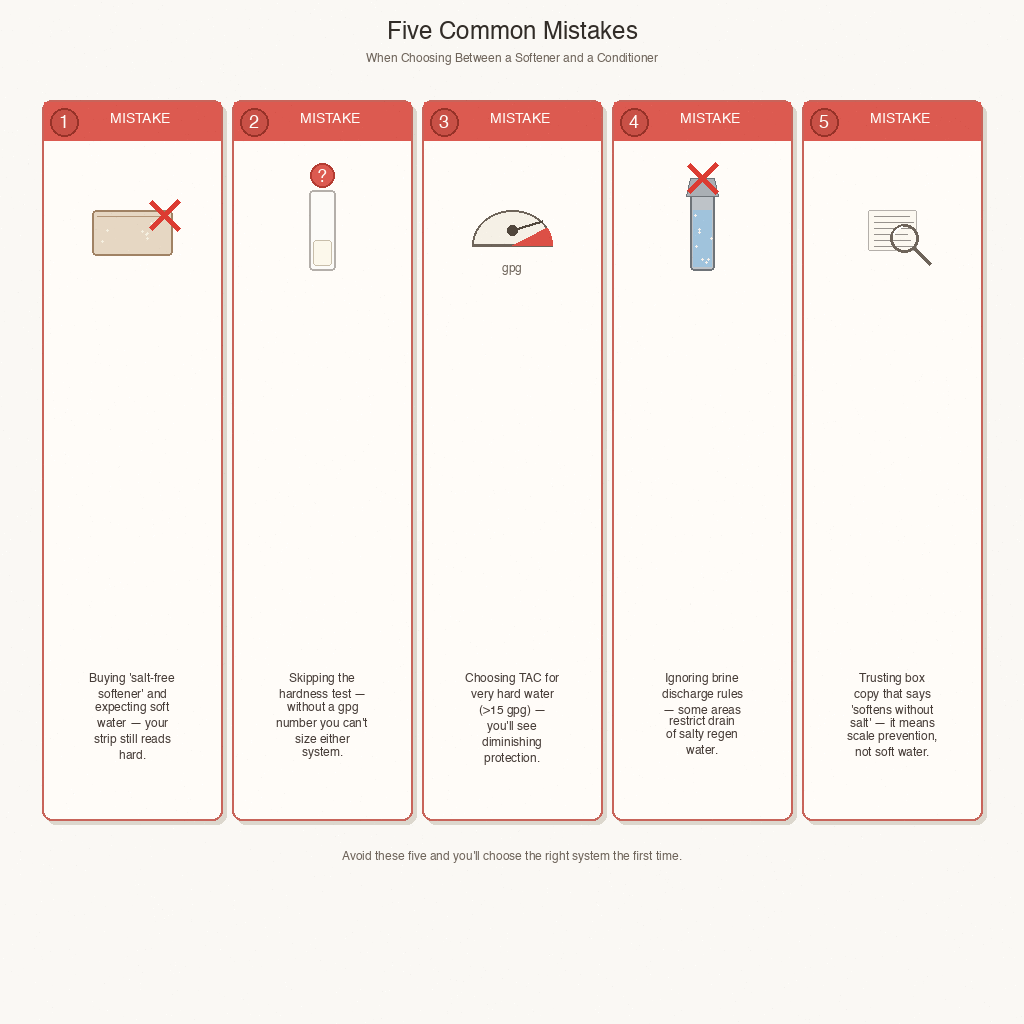
- Buying a “salt-free softener” expecting soft water. The water still tests hard. If your goal is measurable softness, salt-free is not a substitute.
- Skipping the hardness test. Without a gpg number, you can’t size either system correctly, and you can’t compare total cost across the two categories.
- Choosing TAC for very hard water (>15 gpg). TAC works, but at very high hardness you’ll see diminishing scale protection and may end up wanting a softener anyway.
- Ignoring brine discharge rules. Salt-based softeners send 20 to 80 gallons of salty water down the drain per regeneration. Some drought-prone or environmentally sensitive jurisdictions restrict this. Check locally before you buy.
- Trusting the box copy that says “softens without salt.” Read the fine print. Almost always that wording means scale prevention, not hardness reduction.
Related
- Salt vs Salt-Free Water Softener — sister comparison focused on salt-free effectiveness and what your strip will still show.
- How Water Softeners Work — full mechanism deep dive on salt-based ion exchange.
- Softener vs RO vs Whole-House Filter — broader picture if you’re also weighing reverse osmosis or a filter instead of either system.
- Whole-House Filters — when a filter is enough and a softener or conditioner isn’t needed.
- What Is Hard Water? — entry point if you haven’t yet confirmed you actually have hard water.
- Hardness Test Kits — what to buy before you commit to a system.
Key takeaways
- A softener removes hardness; a conditioner prevents scale. They are not the same product.
- Salt-based softeners are the only residential option that lowers your hardness test strip reading. If you want measurable softness, you need a softener.
- Salt-free conditioners save you salt, electricity, and wastewater. They cost about the same upfront but less over five years.
- Both work well for moderate hardness (5 to 15 gpg) on city or well water. Above 15 gpg, lean salt-based.
- Test your hardness first with a hardness test kit. Without a gpg number, neither comparison nor sizing is reliable.
- The decision is not “which is better” — it is “what do you want your water to do.”
When to call a pro
DIY is fine for: adding salt, breaking a salt bridge, swapping a TAC cartridge, setting the control head hardness.
Call a licensed plumber if: cutting into the main supply line, relocating the brine tank, running a new drain line for regeneration, or dealing with a control board or electrical fault beyond a simple reset.
We don’t rank installer directories or sponsored local-service lists. For sizing math, see the softener size calculator.