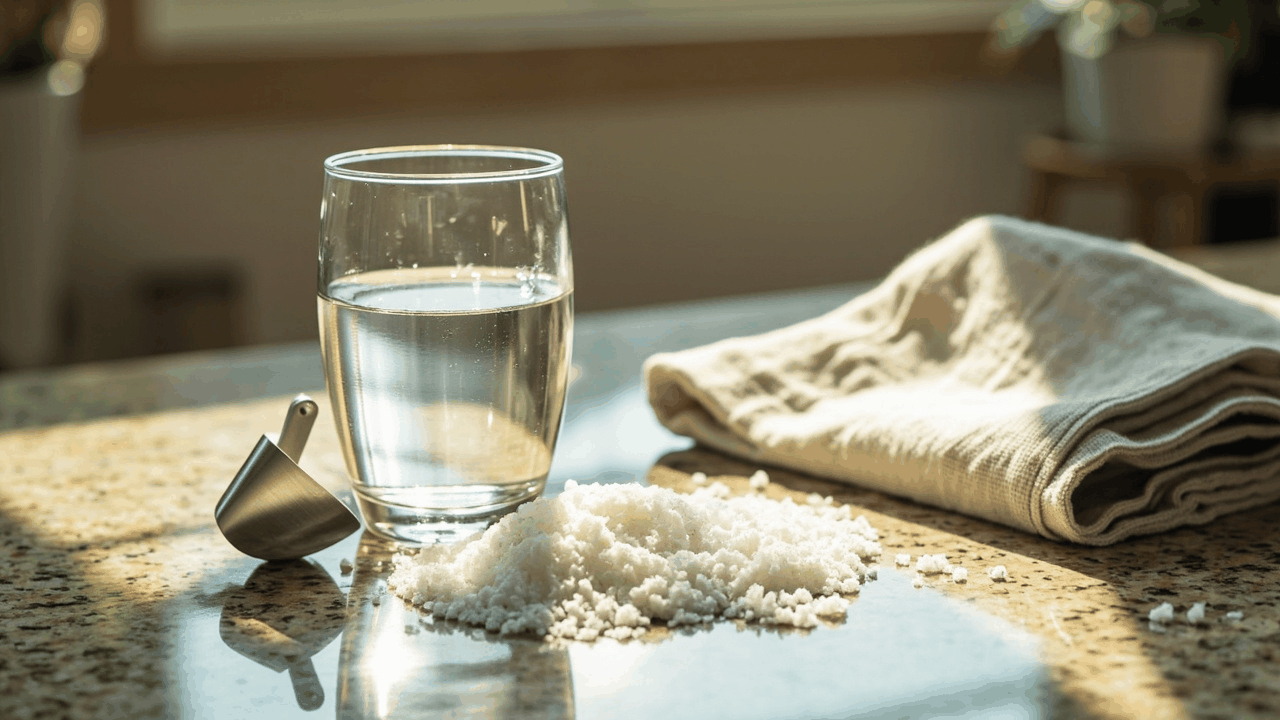
Your kitchen tap tastes salty and you assume the softener is broken. It isn’t — ion exchange swapped calcium for sodium on purpose, and that swap is the whole problem.
Quick answer
Your softener didn’t put salt in the water. It swapped calcium and magnesium for sodium. Only three things undo that: drink water that never met the resin, strip the sodium out at one tap with reverse osmosis, or recharge the resin with potassium. A fourth answer is honest too — most softened water is fine, and you can leave it alone. Pick by how much water you care about, not by how much you dislike the taste.
Do this first: know what is actually in the water
- There is no salt to take out. Ion exchange never dissolved table salt into your supply. Resin beads held calcium and magnesium and released sodium in their place. How ion exchange swaps calcium for sodium has the mechanism.
- A TDS reading will not tell you how much sodium you have. It counts everything dissolved. It can show that a system changed something; it cannot isolate one ion.
- Don’t buy a “salt removal filter” before you know which method you’re running. A live Amazon scan for one on the day this was written returned sediment and carbon cartridges. None were rated for sodium.
- Decide what you’re actually fixing — taste at one tap, every tap, a houseplant or humidifier, or a sodium limit a clinician set. The four methods below run in that order.
This page is not about salt hardened into a crust at the bottom of the brine tank. That’s a salt bridge, a different fix at a different price.
The four methods at a glance
| 1. Bypass line | 2. Under-sink RO | 3. Potassium chloride | 4. Leave it alone | |
|---|---|---|---|---|
| What changes | Nothing — you drink water that skipped the resin | Sodium leaves the water | Sodium stops entering it | Nothing |
| Scope | One tap | One tap | Every tap | Every tap, as-is |
| Sodium in the glass? | Still there, you just avoid it | Removed | Stops at the source | Unchanged |
| Upfront | Plumber’s labour only | Under $250, filters forever | About $135 for two bags | Nothing |
| Ongoing | Nothing | Membrane and filter set on a schedule | More per pound than sodium salt | Your existing salt bill |
| Install | Cut into the cold main | Under the sink, mostly DIY | Pour it in the tank | Nothing |
| Reversible? | Yes | Yes | Yes, pour the sodium back | n/a |
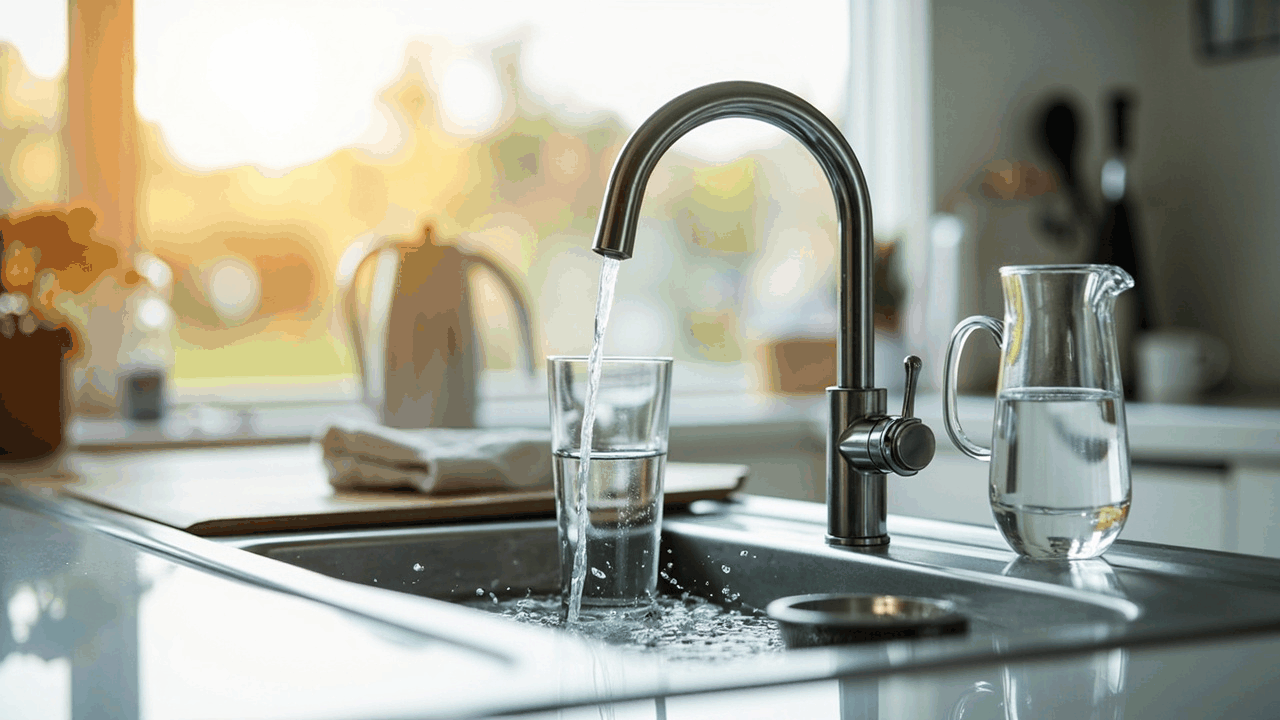
Softener, filter, and RO are three different jobs
- Softener (salt): trades hardness minerals for sodium. It fixes scale and spotting, and it is why you are reading this.
- Whole-house carbon or sediment: improves taste, chlorine, and dirt. It never touches hardness.
- RO, usually under the sink: strips dissolved solids for drinking and cooking. It does not treat the shower.
Softener vs filter vs RO in one screen has the longer version.
Method 1: bypass the softener on one cold line
When this is the right one: your complaint is about one tap, or the water goes somewhere sodium ruins — houseplants, a humidifier, a fish tank. You want water that was never softened, not water with the sodium pulled out. An RO solves the wrong problem, and it leaves you with a system and a filter schedule on top of the plumber’s afternoon.
The steps:
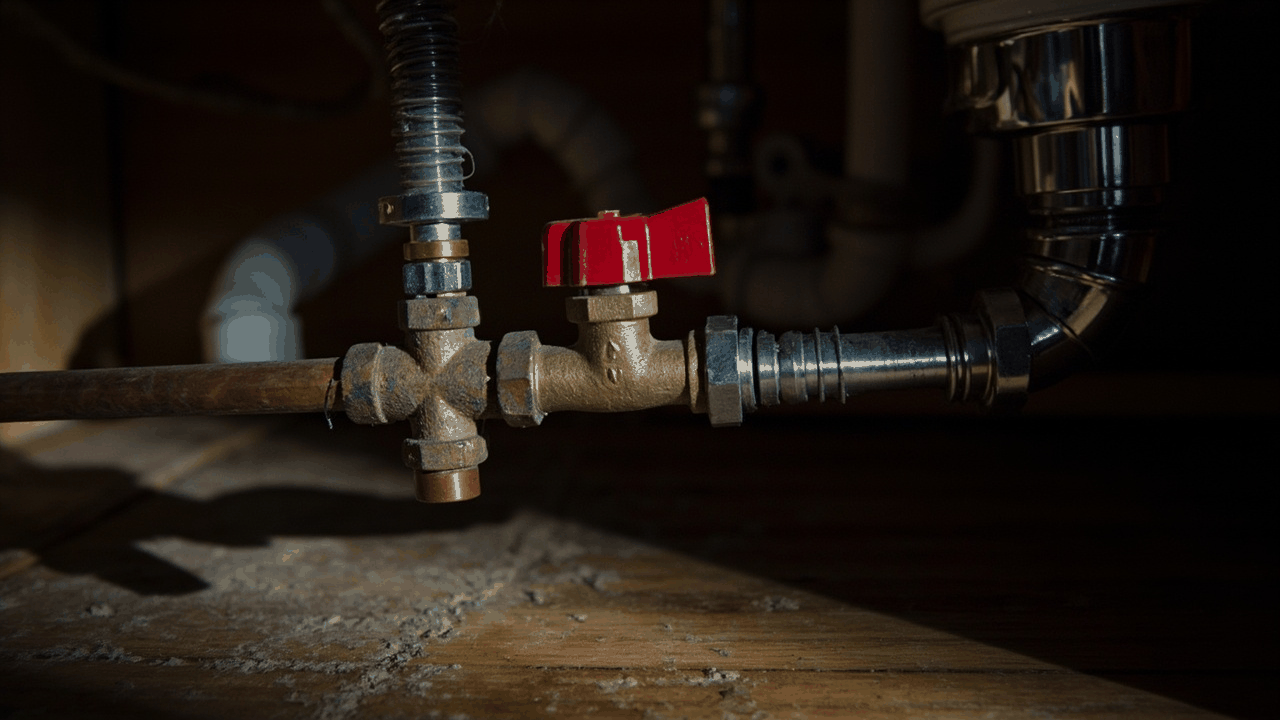
- Find the cold main and its shutoff upstream of the softener inlet, usually where the service enters the house.
- Tee off that line. If the only shutoff available is a curb stop, this is plumber work, not a weekend.
- Run a half-inch line to the kitchen sink. PEX or push-fit connectors are fine for a run this short.
- Put a shutoff on the new branch at the sink, and insulate it if it crosses an unheated space.
- Flush for a few minutes before you drink. The first water out of any new line carries flux and debris.
- Skip the whole-house re-plumb. You already soften everything else, and one extra cold line is the whole fix.
- Don’t assume it’s free. You’re trading salt for scale on that one faucet, and hard supply water will show up there.
Minnesota’s health department puts it more gently: soften only what you need. How an under-sink RO is installed covers the fittings if you want that unsoftened line to filter too.
Method 2: put a reverse osmosis unit under the sink
When this is the right one: you want the drinking tap fixed, you don’t want to touch the brine tank, and you’ll own a filter schedule. Most of the pages above this one in search will tell you to do exactly that. They aren’t wrong. They skip the sizing and the running cost.
The steps:
- Size by what you actually drink, not by household size. One or two people having a glass or two a day need about fifty gallons a day of capacity. Add ice, formula, or canning and you need more — a 100 GPD system is where a bigger household lands.
- Choose under-sink, not countertop and not tankless. You’re fixing a tap, not supplying a house.
- Mount it where a leak will be visible, not behind a wall.
- Tee it into the cold line and add a shutoff on the new branch.
- Route the drain to the sink tailpiece or a floor drain. Don’t run an RO drain into a softener brine line — the brine tank is not a drain.
- Flush the membrane the way the manual says before you drink, then measure before and after.
- Skip the pre-filters to save money. They exist to protect the membrane, and the membrane is what rejects sodium.
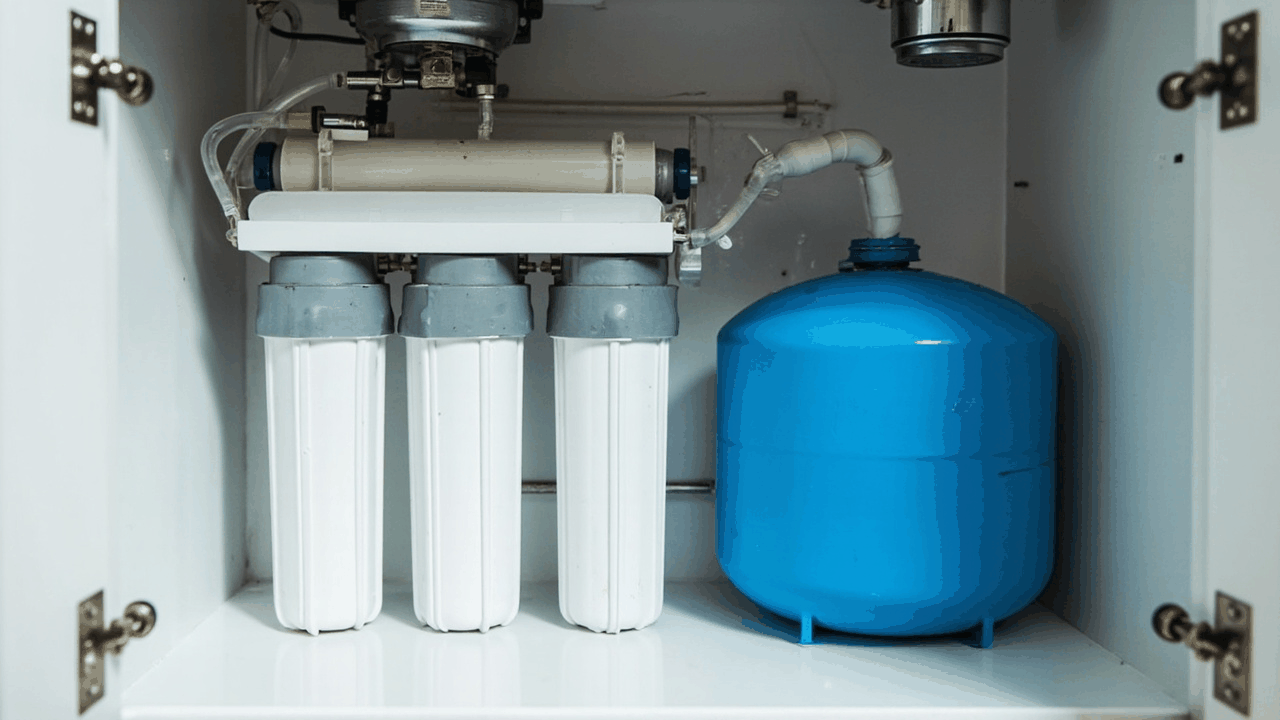
The systems, by job rather than by rank:
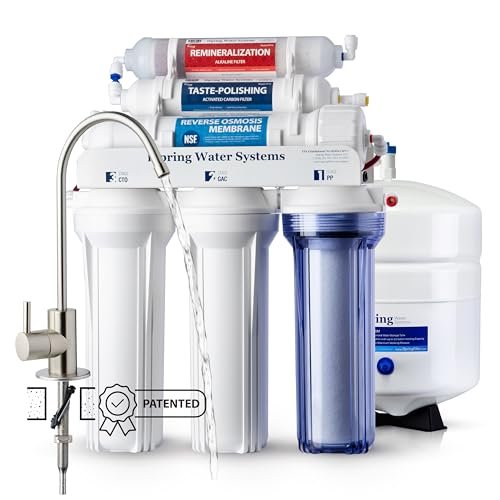
- The all-round pick is a 75 GPD under-sink RO with a remineralization stage. The remineralization stage is why the output doesn’t taste like distilled water. iSpring’s own listing claims it cuts total dissolved solids by ninety-three to ninety-eight percent. That’s a manufacturer claim, not a test result; no third-party performance test was run here.
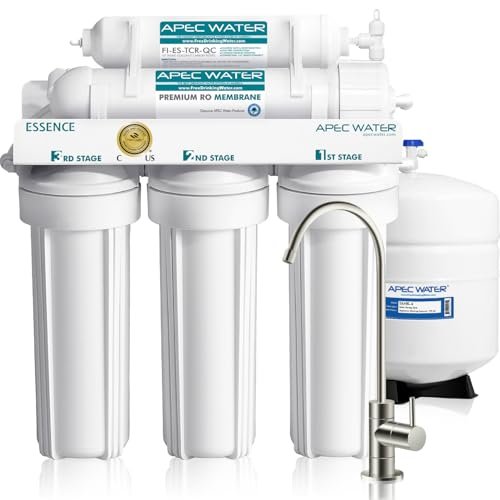
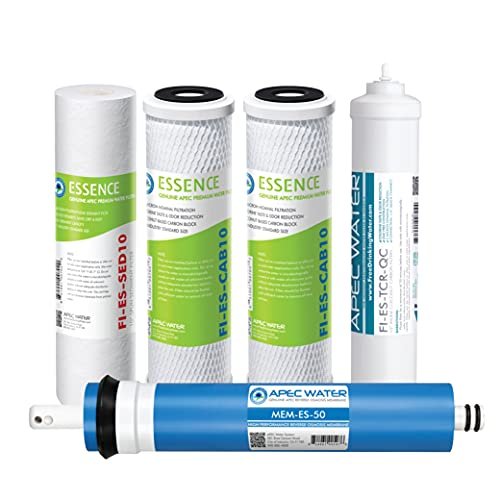
- For one or two people with a small cabinet shelf, a 50 GPD five-stage RO has the smallest footprint of the three. Land on that size and the filter set for a 50 GPD RO is the thing you rebuy every year.
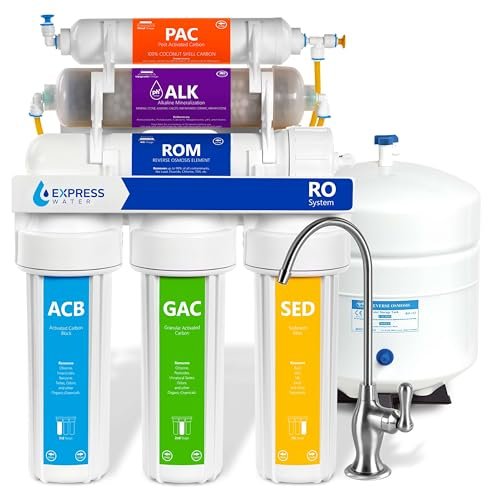
- For the most drinking water per day, a 100 GPD RO for a bigger household is the one, though it showed only fourteen units in stock when this page was checked. Don’t plan around a specific unit being there next month.
What it costs after the purchase — an RO is a maintenance product, and this is the line other pages skip:
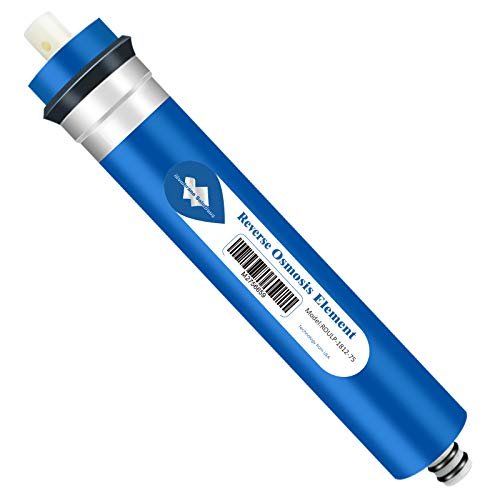
- A replacement 75 GPD RO membrane is the part doing the sodium rejection. Everything else in that cabinet exists to protect it.
- The filter set for a 50 GPD RO covers the annual cost of owning the system above it. When RO filters actually need changing has the intervals.
- If your cabinet is tight, a 50 GPD unit like the APEC one is the shortest of the three on the shelf, which is often what decides it.
Method 3: switch the brine tank to potassium chloride
When this is the right one: you want every tap changed, not one, and a clinician has flagged sodium. This is the only method that changes the whole house, and it costs nothing but a more expensive bag of salt.
The steps:
- Read the valve manual first. Potassium chloride is not approved on every valve, and some brine injectors need changing. Water softener salt options covers those caveats.
- Note your current capacity setting before you empty anything.
- Take the salt down to roughly a third of the tank.
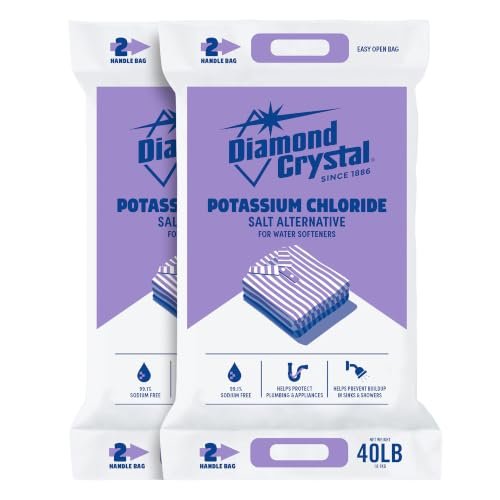
- Fill with potassium chloride and keep the bag and the tank dry. It dissolves more slowly than sodium salt and can bridge in a humid tank. Potassium chloride softener salt is the whole-house option.
- Run a full manual regeneration. Until that finishes, the resin is still holding sodium and your water will taste exactly the same.
- Let the brine tank refill completely before you judge anything.
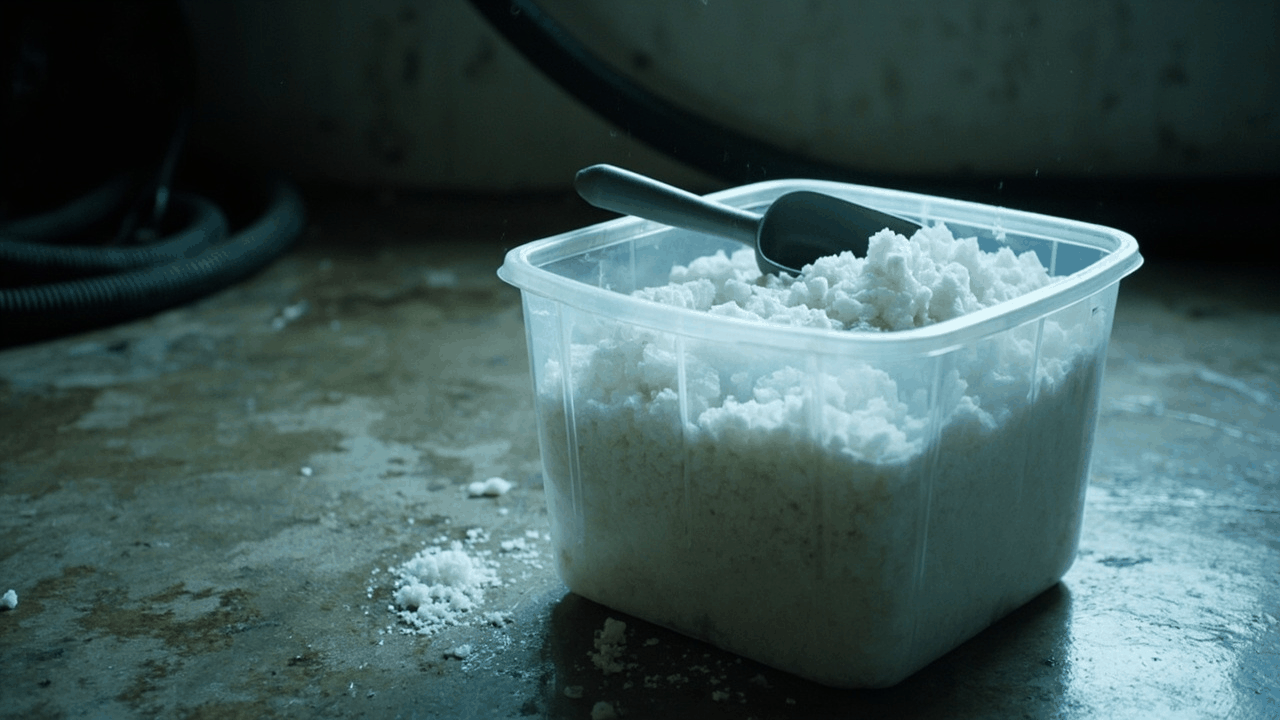
- Skip the verdict until the regeneration is done. Judging a potassium switch on day one is how people conclude it didn’t work.
- Don’t commit to a season of refills on a listing nobody has reviewed. A live Amazon scan for this salt found it in one brand family only, all with zero ratings. Buy a single bag of potassium chloride, run a regeneration, and watch your own valve.
What it does not do: it doesn’t pull sodium out of the supply water, and it doesn’t change hardness by a grain. It stops the softener from being the source. The state health department describes the same mechanism as resin beads exchanging calcium and magnesium for sodium or potassium. Before you change anything, verifying softening with a hardness test tells you whether the resin works at all.
Method 4: decide to leave it alone
Softened water at normal hardness is not a hazard. EPA’s secondary drinking water standards cover taste, odor, staining and deposits, and sodium isn’t in that list at all.
The two sodium numbers that do exist come from a separate EPA advisory. It recommends 20 mg/L for people on a very low sodium diet, and 30 to 60 mg/L where taste-sensitive people notice salt. That same document notes domestic softeners can push sodium past 300 mg/L. If your water tastes fine, you’re near neither threshold.
- Skip the overhaul if nobody has set a limit and you like the taste. This is the most common correct answer on the page.
- Don’t rip out a working softener because a forum called softened water poison. Removing it trades salt for scale, not salt for safety. Taking the softener out entirely is a bigger job.
What does not remove salt
Products that will not do it:
- Carbon and sediment cartridges. Good for rust, sediment, and chlorine. A live Amazon search for a sodium-reduction cartridge returned sediment and carbon units, none rated for sodium.
- Faucet-mount filters. The popular sink filters are lead-reduction carbon units. They will not move a sodium reading by one point.
- Salt-free conditioners. Most are conditioners rather than softeners. They may change how scale sticks, but they usually don’t bring a hardness strip near zero, and they don’t subtract sodium the softener already put there. Why a salt-free conditioner is not the fix has the detail.
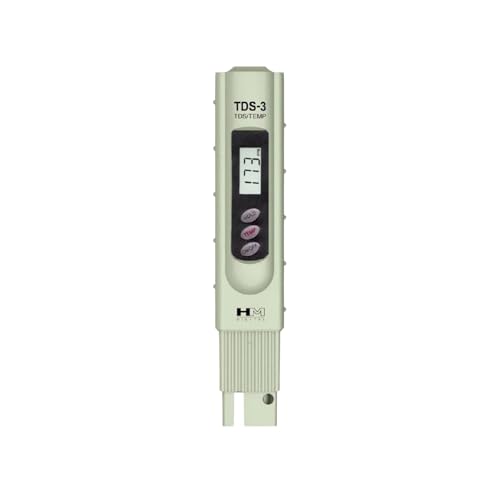
- A TDS pen. It has no sodium scale, so it cannot answer the diet question on its own. What a TDS reading can and cannot tell you has the full version, and a handheld TDS meter is what that limitation looks like in your hand.
Methods you’ll find at the top of this search that also don’t do it:
- “Let the water sit or stand.” Sodium is dissolved, not suspended. It re-dissolves the moment the water moves.
- “Add a gallon of distilled water.” That dilutes; it doesn’t remove. The ratio would cost more than the tap you’re fixing.
- Distillation does remove sodium, and those pages aren’t lying. It still isn’t the answer for a tap: the output is small, it costs energy per gallon, and a countertop distiller isn’t in this site’s range. Water electrolysers are a fringe product here and nothing here recommends one.
What does work is the four methods above. That is the whole list.
Prove the change without fooling yourself
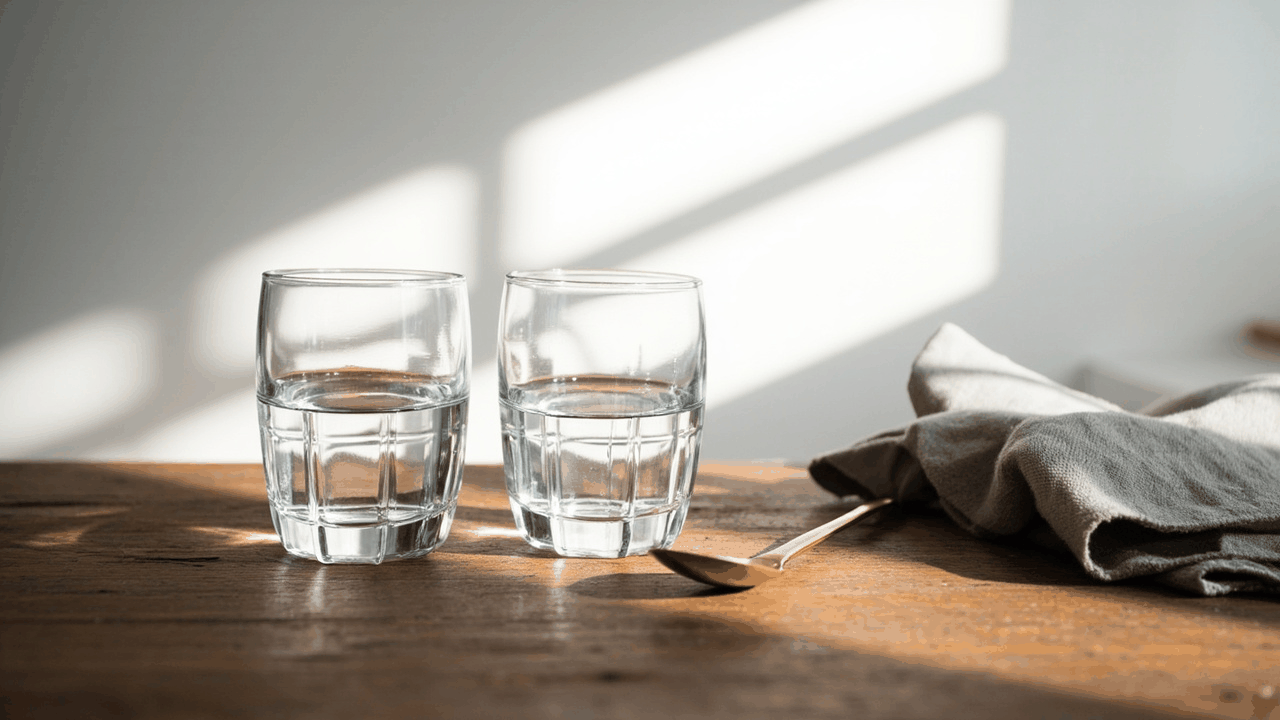
Fill one glass from the softened cold tap. Fill a second from the RO faucet. Put a drop of a handheld TDS meter in each and read them.
The comparison that means something is the RO’s feed against its own output — that tells you the membrane is rejecting. Comparing softened water to RO output from a system like this one tells you the same from the other end of the cabinet.
- Skip the TDS pen as a sodium test. It is a rough proxy. If a diet decision needs a real sodium number, that’s a lab test, and no consumer meter on Amazon will give you one.
Who should pick which
- Plants, humidifiers, fish tanks → the bypass line. Unsoftened water is the answer, and an RO is the wrong purchase here — the unit costs less than the plumber’s afternoon, but the filters never stop.
- A clinician-set sodium limit, every tap covered → the potassium switch, once your valve and resin are confirmed to approve it. Refilling the tank with potassium chloride instead of sodium salt is the whole job.
- One tap, no plumbing → the RO, sized by how much you actually drink rather than by how many people live there.
- The water tastes fine and nobody flagged it → leave it alone.
- A softener that is undersized, old, or not regenerating → fix that first. None of these four methods compensate for a softener that isn’t doing its job. What a stopped softener looks like is where to start.
- High TDS with low hardness, where a reading won’t fall after treatment — no method here helps. RO vs water softener covers solving the wrong problem.
Common mistakes
- Buying a “salt removal filter” that’s really a carbon cartridge. The listing says filtration, the spec sheet says sediment and chlorine, and neither says sodium.
- Judging a potassium switch before the regeneration finishes. The resin still holds sodium, so the water tastes identical and people conclude the switch did nothing.
- Skipping the RO pre-filters to save money. They protect the membrane, and the membrane is what rejects sodium. A filter set like the APEC 50 GPD one keeps both alive, and a spare 75 GPD membrane is the part doing the rejecting.
- Using a TDS pen to decide whether the sodium came down. It counts everything dissolved and separates none of it. Compare RO against its feed, nothing more.
- Repiping the entire house to soften less. One cold line to the kitchen is the fix. A whole-house re-plumb is a much larger job.
When to call a pro
- Keep it DIY: testing hardness, setting the control head, adding salt, swapping a cartridge you already own, picking a potassium your valve manual approves.
- Call a licensed plumber for cutting into the cold main, running a new line to a sink, or an active leak at a fitting.
- Start with the valve manufacturer for anything on the control valve, brine tank, or resin bed. The model manual is what says whether potassium is approved.
- Ask your water utility first if it has told you about higher sodium in the supply. That number changes which method is worth paying for.

Key takeaways
- A softener trades calcium and magnesium for sodium. It filters nothing out, so there’s no salt to take out — there’s a swap to undo.
- Four methods work: bypass one cold line, put an RO under the sink, switch the brine to potassium chloride, or confirm you need to do nothing.
- For plants, humidifiers, and fish tanks, the bypass line is right and an RO is the wrong purchase.
- Potassium stops the addition. It doesn’t strip what’s already there, and it proves nothing until a full regeneration finishes.
- Carbon cartridges, faucet filters, salt-free conditioners, TDS pens, and standing water around do not remove sodium.
- An RO is a maintenance purchase. Budget the membrane and the filter set, not just the system.
- If the water tastes fine and no clinician flagged it, doing nothing is a legitimate answer.