Quick answer
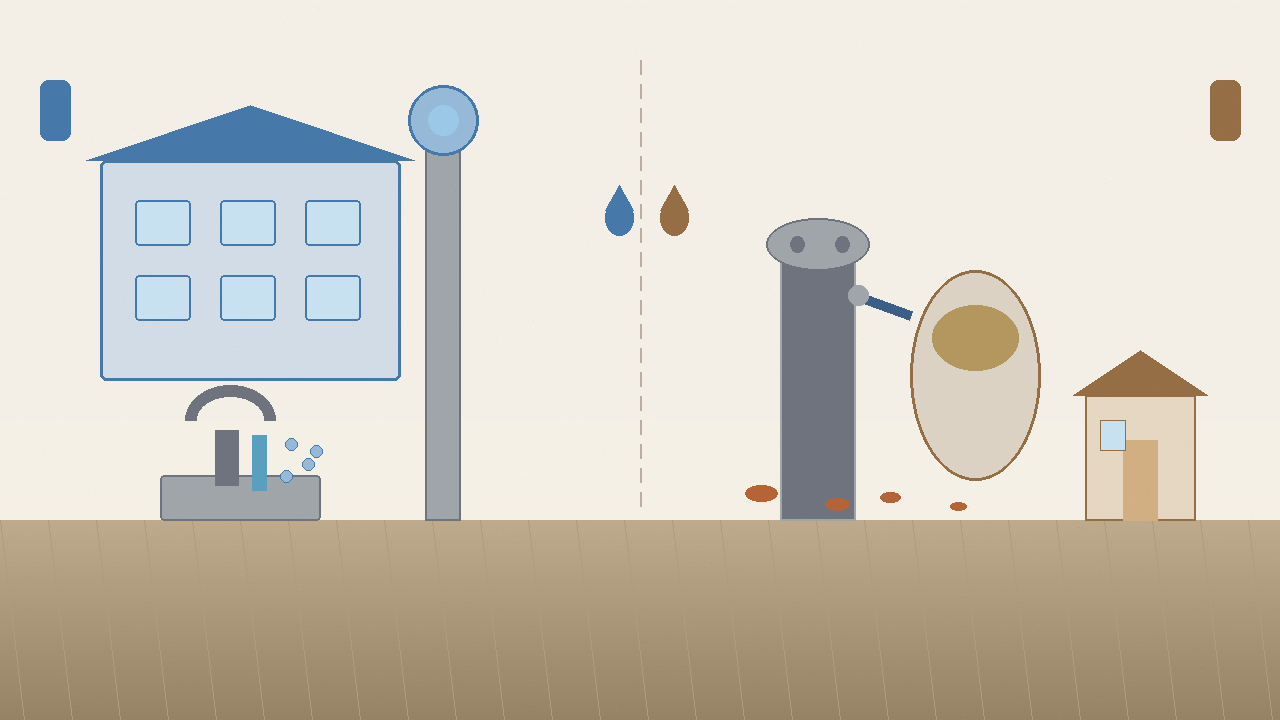
Buy the wrong train and you pay twice: a softener that never fixes chlorine taste on city water, or UV that can’t “see” through iron-stained well water. City (municipal) water is already treated at a plant for regulated pathogens and usually carries a disinfectant residual (chlorine or chloramine); your job is mostly premise plumbing, taste/odor, hardness, and optional drinking polish. Private well water has no plant upstream — you own bacteria, iron/sulfur, sediment, hardness, and every stage of treatment. Start with different tests, then pick gear for the contaminants you actually measured — not a one-size “well water system” box.
Jobs table: city residual vs well raw
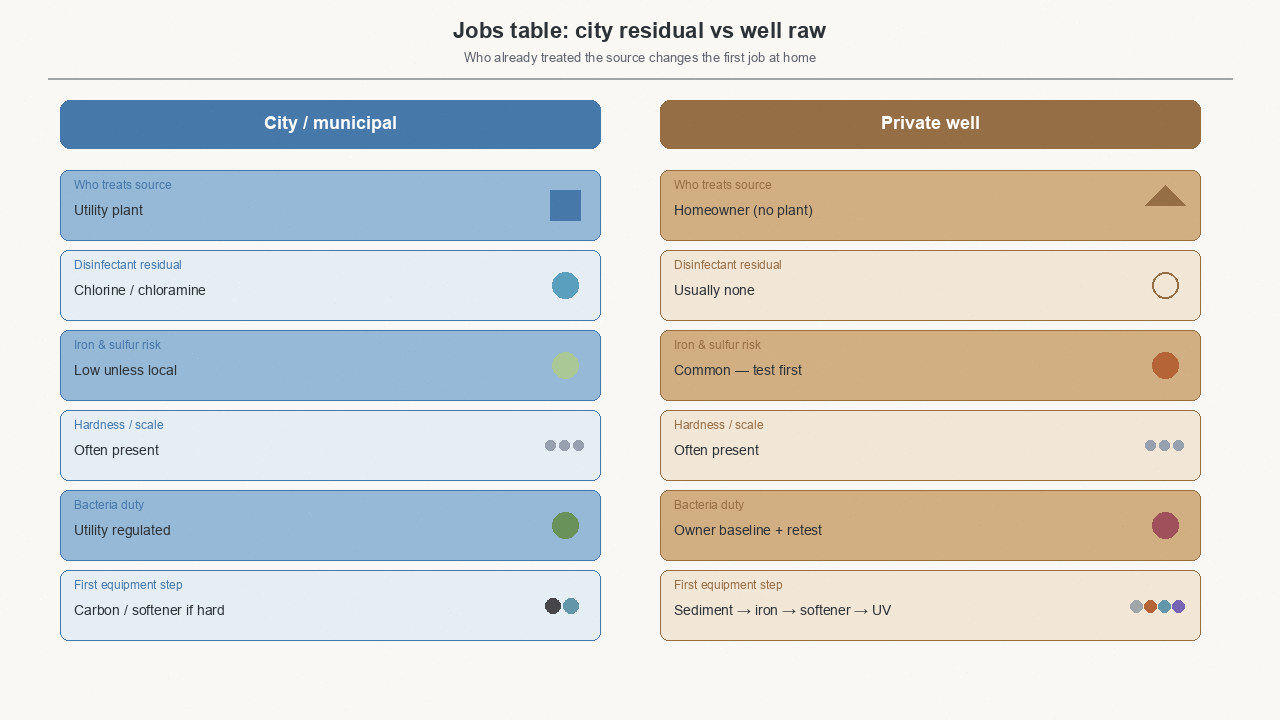
If you bought the same “whole-house package” for both supplies, one of those installs is probably wrong. The split isn’t “pure vs dirty.” It’s who already treated the source, what’s left at your meter or wellhead, and which test you run first.
| Job / dimension | City / municipal | Private well |
|---|---|---|
| Who treats source water | Utility plant + distribution | Homeowner (no plant) |
| Disinfectant residual | Usually chlorine/chloramine present | Usually none |
| Iron & sulfur risk | Low unless local | Common — test-dependent |
| Hardness / scale | Often present either supply | Often present |
| Bacteria testing duty | Utility regulated; home optional | Owner baseline + retest |
| Typical first equipment step | Carbon / sediment / softener if hard | Sediment → iron/sulfur → softener → UV/POU as tests dictate |
| Ongoing test cadence | Read CCR; spot-check hardness/chlorine | Annual bacteria + after flooding/work; iron/hardness as symptoms |
Hardness shows up on both sides of the meter. White scale on glass, stiff laundry, and hard water stains in the toilet aren’t a “well only” story. For the mineral side, see water hardness explained after you’ve got a grains-per-gallon number.
Who treats the water before it reaches you
City / municipal. Under the Safe Drinking Water Act framework, the utility treats source water at a plant and keeps a disinfectant residual in the distribution system. You still own everything inside the meter: chlorine taste, hardness scale, sediment from aging service lines, and optional drinking water polish. Lead service lines are a special plumbing case — a softener doesn’t “fix” them.
Private well. EPA private-well guidance is blunt: the homeowner owns construction quality, testing, treatment, and maintenance. There is no plant report that covers your kitchen tap by default.
- Don’t assume well water is automatically purer, or that city water “needs nothing.” Both supplies can be hard. Only the upstream duty changes.
- Skip any sales pitch that starts with “everyone on a well needs this stack” without a bacteria + iron + hardness panel. You can’t design stages from a brochure photo.
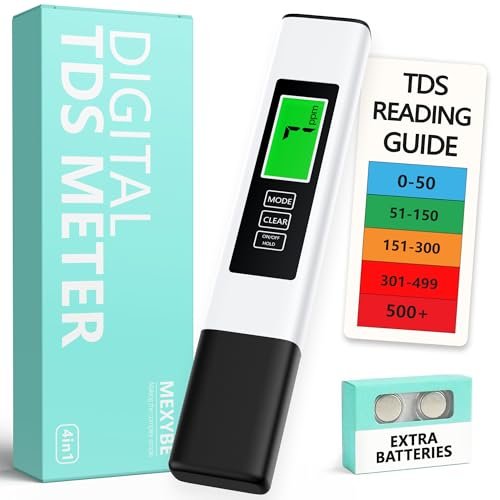
What TDS means in drinking water is literacy, not a treatment design. A high TDS reading does not tell you whether the problem is hardness, sodium, iron, or something else.
City / municipal treatment path
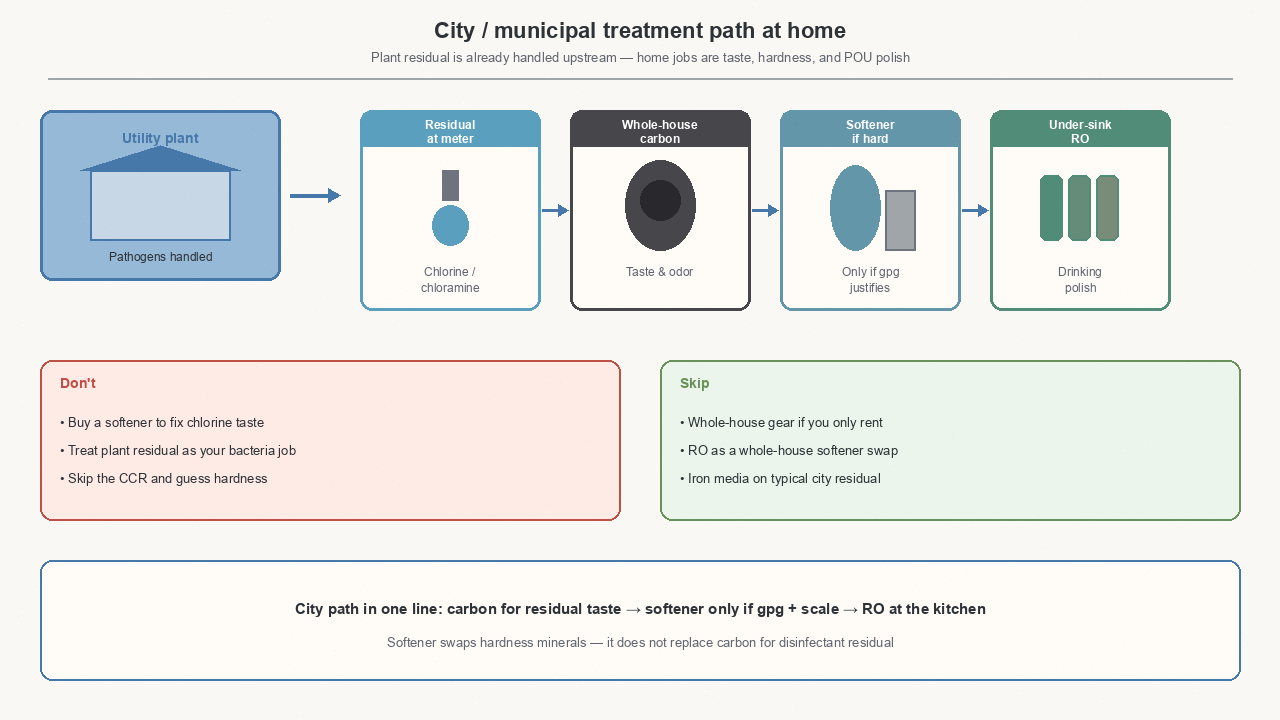
What’s usually already handled upstream: regulated microbes at the plant and a disinfectant residual in the pipes. What’s often still a home problem: chlorine or chloramine taste and odor, hardness scale, occasional sediment from old mains, and drinking water polish if you want lower dissolved solids at one faucet. You’re not re-running the plant — you’re finishing the job at the house.
A typical city train looks like this:
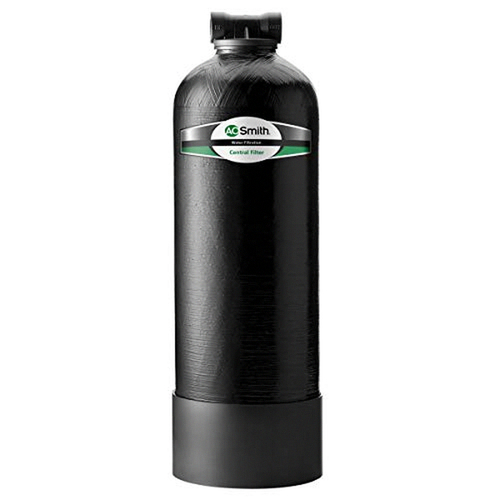
- Optional whole-house carbon (or carbon + light sediment) for taste and odor at every tap
- Softener only if hardness (gpg) and scale symptoms justify it
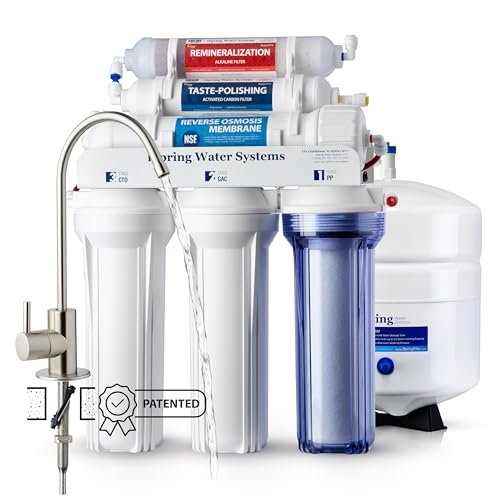
- Under-sink reverse osmosis for drinking and cooking water
If every glass smells like a pool, a whole-house carbon filter system is the city-path tool — not a softener. Softeners swap calcium and magnesium; they don’t replace carbon for disinfectant residual. For cartridge and housing choices more broadly, see whole-house water filters.
When you want polished drinking water after the main-line decisions, an under-sink reverse osmosis system handles the kitchen tap. RO is point-of-use polish — it’s not a whole-house softener substitute.
- Don’t buy a softener to fix chlorine taste. Wrong job.
- Skip whole-house gear if you rent and only care about drinking taste — start with a POU carbon pitcher or under-sink RO and reassess when you own the plumbing.
Private well treatment path
No residual disinfectant by default means bacteria is a test-and-plan item, not a guess from clear water. Common well profiles include sediment, iron/manganese, hydrogen sulfide (“rotten egg”), hardness, and sometimes nitrates (lab). Order matters more than brand stickers.
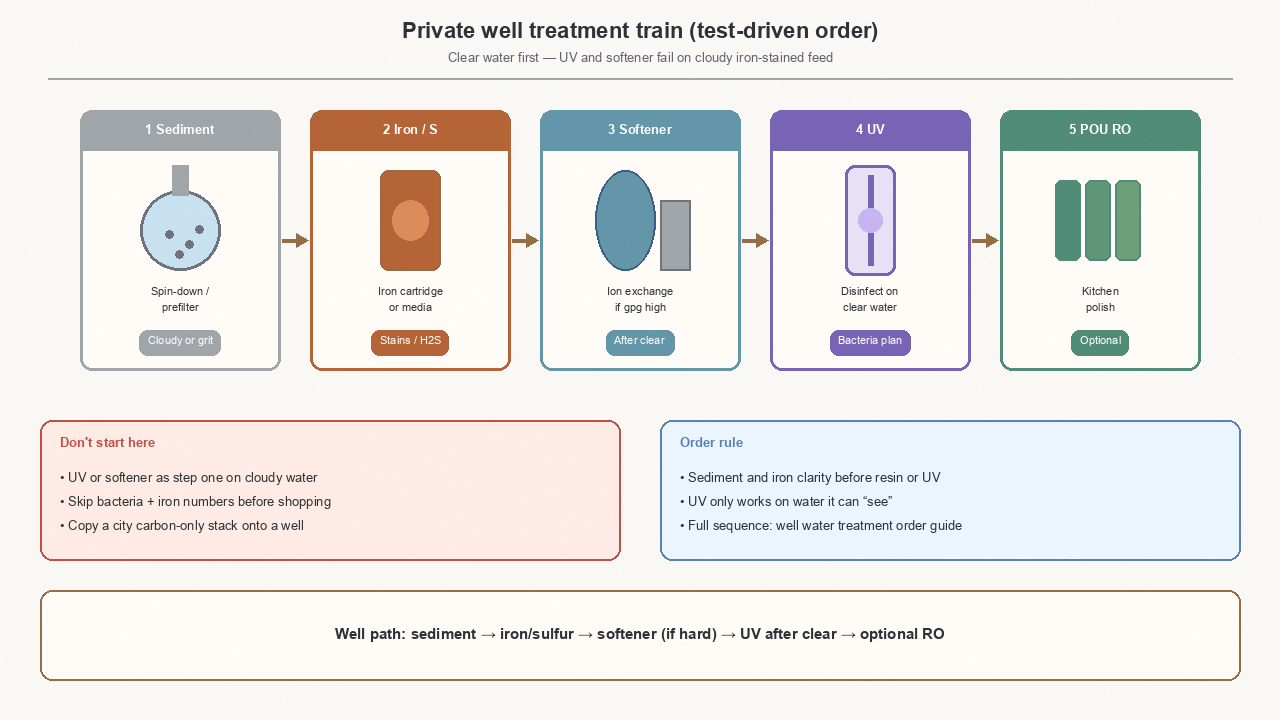
A practical train (confirm with tests):
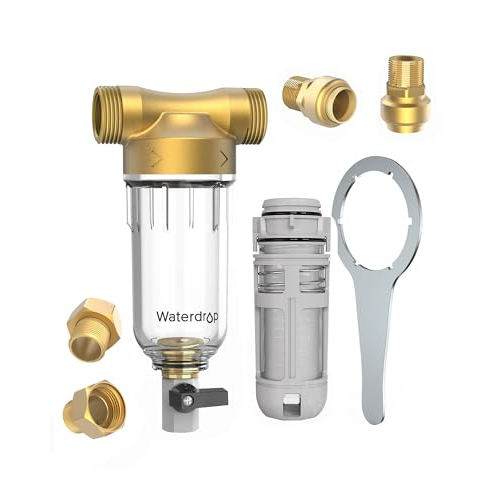
- Sediment / spin-down first when water is cloudy or gritty
- Iron / sulfur stage after iron is confirmed
- Softener if hardness is high and water is already clear enough not to foul resin
- UV or other disinfection after the water is clear
- Optional POU RO for drinking polish
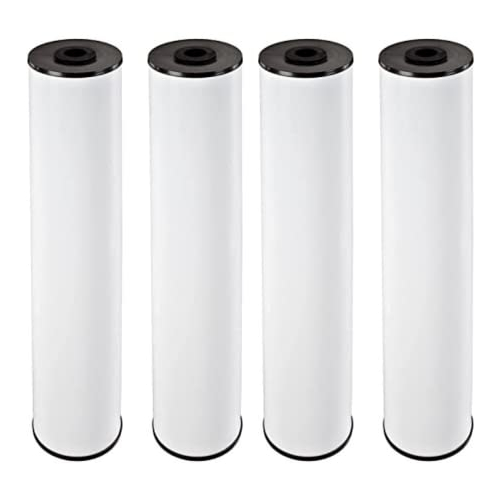
When first-draw water is cloudy or sandy, a spin-down sediment filter is stage one — it protects everything behind it. After iron stains or a positive iron reading, an iron reduction filter cartridge belongs before softener resin and before UV. For media options once iron is on the sheet, see well iron filter options.
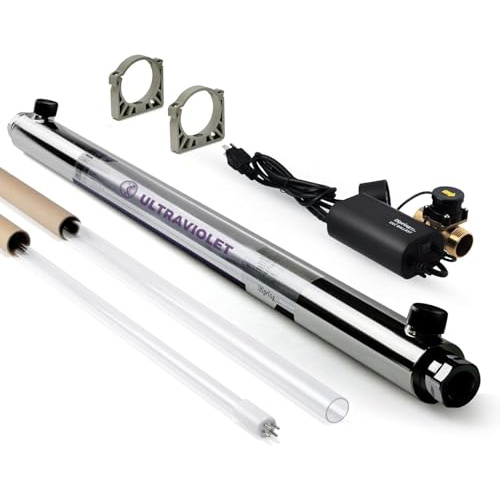
UV only works on water it can “see.” A whole-house UV water filter sits after sediment and iron clarity, not as a magic first box on turbid water. The full sequence lives in well water treatment order.
- Don’t install UV or a softener as step one on a cloudy, iron-stained well.
- Skip “well water system” kits that skip bacteria and iron numbers — gear order depends on the panel, not the word “well.”
Softener vs filter vs RO (one screen)
These three get sold as if they were interchangeable. They’re not — and you shouldn’t buy all three “just in case.”
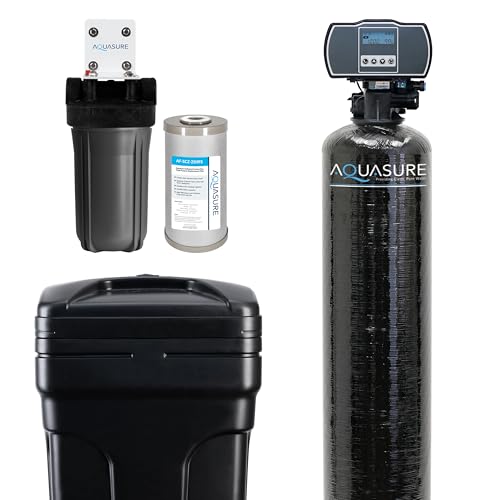
- Softener (salt-based ion exchange): swaps hardness minerals — fixes scale and spotting when gpg is the problem.
- Whole-house carbon/sediment filter: improves taste, chlorine residual, dirt — not softening.
- RO (usually under sink): polishes drinking and cooking water — not every shower.
Salt-free “softeners” are usually conditioners. They may change how scale sticks; they usually don’t bring hardness grains to zero on a strip. Match the claim to your goal before you buy. If hardness is confirmed on either supply and scale is the pain, a metered 40,000 grain water softener is the hardness tool — after any well sediment/iron pretreatment the tests require.
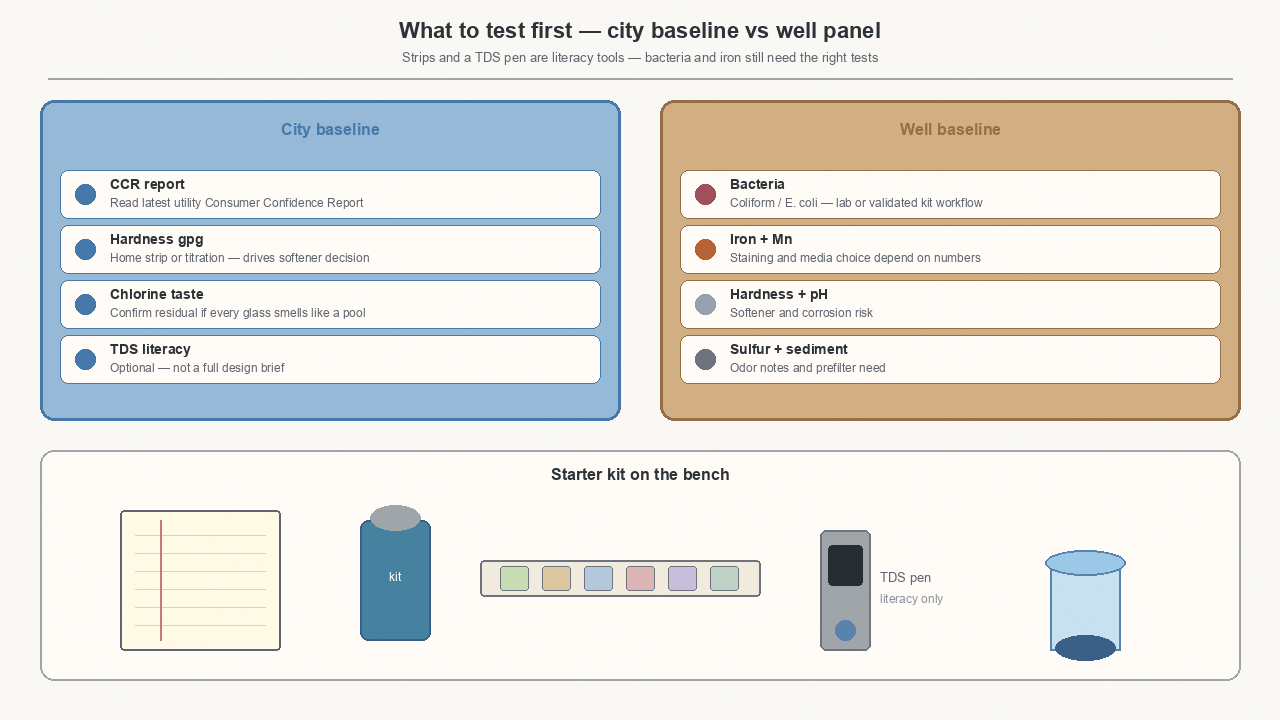
What to test first
City baseline
- Read the latest Consumer Confidence Report (CCR) from your utility
- Home: hardness (gpg), optional chlorine residual / taste confirmation
- TDS only as literacy — not a full design brief
Well baseline
- Bacteria (coliform / E. coli) via a certified lab or a validated kit workflow
- Iron, hardness, pH, manganese, sulfur odor notes, sediment
- Retest after floods, well work, or a sudden smell/color change
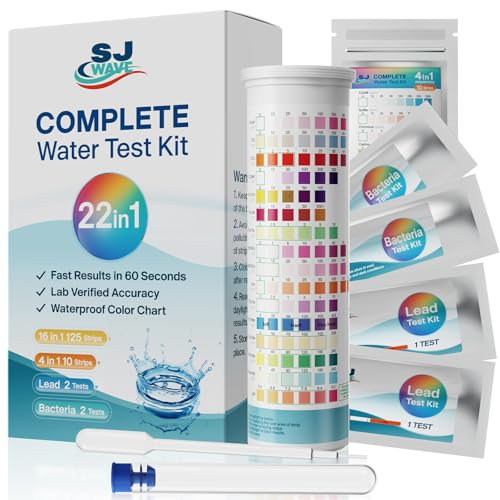
If you haven’t measured anything yet, a 22-in-1 drinking water test kit is a cheap multi-parameter first pass on either supply. For hardness deep-dives and strip technique, use hardness test kits. A digital TDS meter is optional literacy only — it won’t design your iron stage or prove bacteria is gone.
- Don’t design treatment from a single TDS number. Map hardness vs iron vs bacteria separately (what TDS means in drinking water).
Equipment paths side-by-side
Two short if-then trains. Combination is normal; order is the failure mode.
- City + chlorine taste, mild hardness → carbon whole-house → softener if gpg warrants → RO at the kitchen
- Well + iron stain + hardness → sediment → iron stage → softener → UV if the bacteria plan says so → RO optional
Copying a neighbor’s well stack onto city water (or the reverse) without tests is how people end up with unused UV lamps and softener resin full of iron. That’s the expensive path. Stage order for wells is covered in well water treatment order.
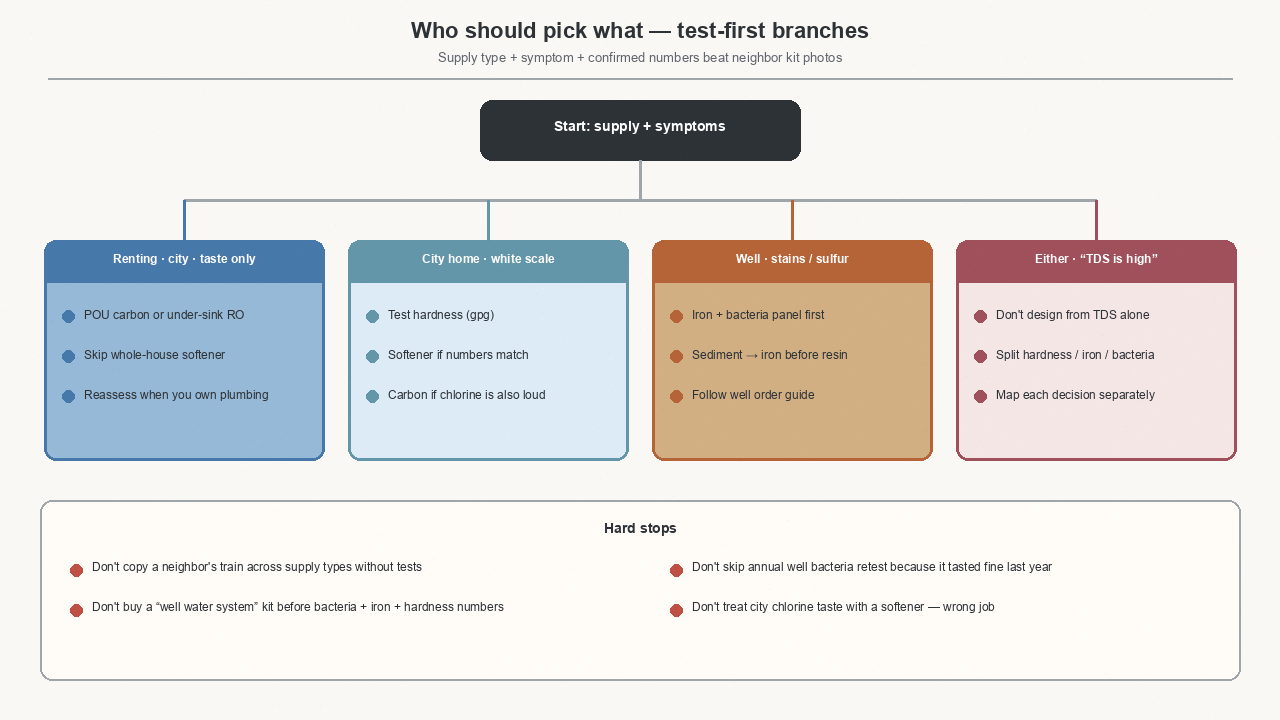
Who should pick what
- Renting on city water, only taste issue → POU carbon or under-sink RO. Skip whole-house softener until you own the home and confirm gpg.
- City home, white scale + spots → test hardness; softener path if numbers match. Spot check against signs of hard water in your home and toilet scale proof above.
- Private well, metallic stains / sulfur smell → iron + bacteria panel before shopping; follow the well order guide, not a single Amazon kit photo.
- Either supply, “TDS is high so I need everything” → Don’t design from TDS alone. Split hardness, iron, and bacteria into separate decisions.
- Don’t copy a neighbor’s train across supply types without tests.
- Don’t skip annual well bacteria retest because “it tasted fine last year.”
Common mistakes
- Buying a “well water system” kit before a bacteria + iron + hardness panel. Gear order and media depend on numbers, not the label “well.” Run a water test kit before treatment and write the results down.
- Treating city chlorine taste with a softener. Ion exchange does not replace carbon for disinfectant residual. Match the job: carbon for taste, softener for scale.
- Using TDS as the only decision metric. High TDS can be hardness, sodium, or other ions — see what TDS means in drinking water.
- Skipping sediment/iron before softener or UV on a well. Fouled resin and shadowed UV are classic failure modes. Put a sediment prefilter first when water is cloudy, then follow well water treatment order.
When to call a pro
Keep DIY if: reading a CCR, running hardness strips, swapping cartridges, setting a softener control head, adding salt, or flushing a spin-down.
Call a licensed plumber or well contractor if:
- Cutting into the main, relocating a tank, or adding a bypass you can’t pressure-test
- Active leak at fittings or drain
- Well pump, pressure tank, or electrical faults beyond a simple reset
- Persistent bacteria positives after you already corrected obvious construction issues
We do not rank local softener installers or door-to-door crews. Get code-compliant licensed help when the job leaves the cartridge aisle.
Related
- Well water treatment order — stage sequence when iron, sediment, and UV are all on the table
- Signs of hard water in your home — scale and soap clues on either supply
- Hard water stains in the toilet — hardness proof that is not “well-only”
- What TDS means in drinking water — literacy, not a full design brief
- Well iron filter options — after iron is confirmed
- Hardness test kits — gpg before softener spend
- Whole-house water filters — city carbon and housing basics
Key takeaways
- City water already had a plant; private wells put testing and every stage on the homeowner.
- Hardness and scale show up on both supplies — test gpg before blaming “well” or “city.”
- City gear often skews carbon + optional softener + POU RO; well gear skews sediment → iron/sulfur → softener → UV.
- Match the job: carbon for chlorine taste, softener for hardness, RO for drinking polish — not one box for all three.
- Order of stages matters more than brand stickers on well trains.
- TDS is literacy, not a full design brief.
- Match each product to a measured job — city carbon for taste residual or a softener after hardness is confirmed — never end-dump gear from a neighbor’s photo.