Quick answer
Hard water carries dissolved calcium and magnesium; soft water has very little. That single difference changes how soap lathers, how glass dries, how laundry feels, and whether scale builds up on fixtures and inside pipes. Softening swaps those minerals for sodium or removes them entirely. You cannot tell hard from soft just by looking—test strips or a TDS meter give you the number in under a minute. Below is what actually changes and what doesn’t.
Side-by-side: what actually changes
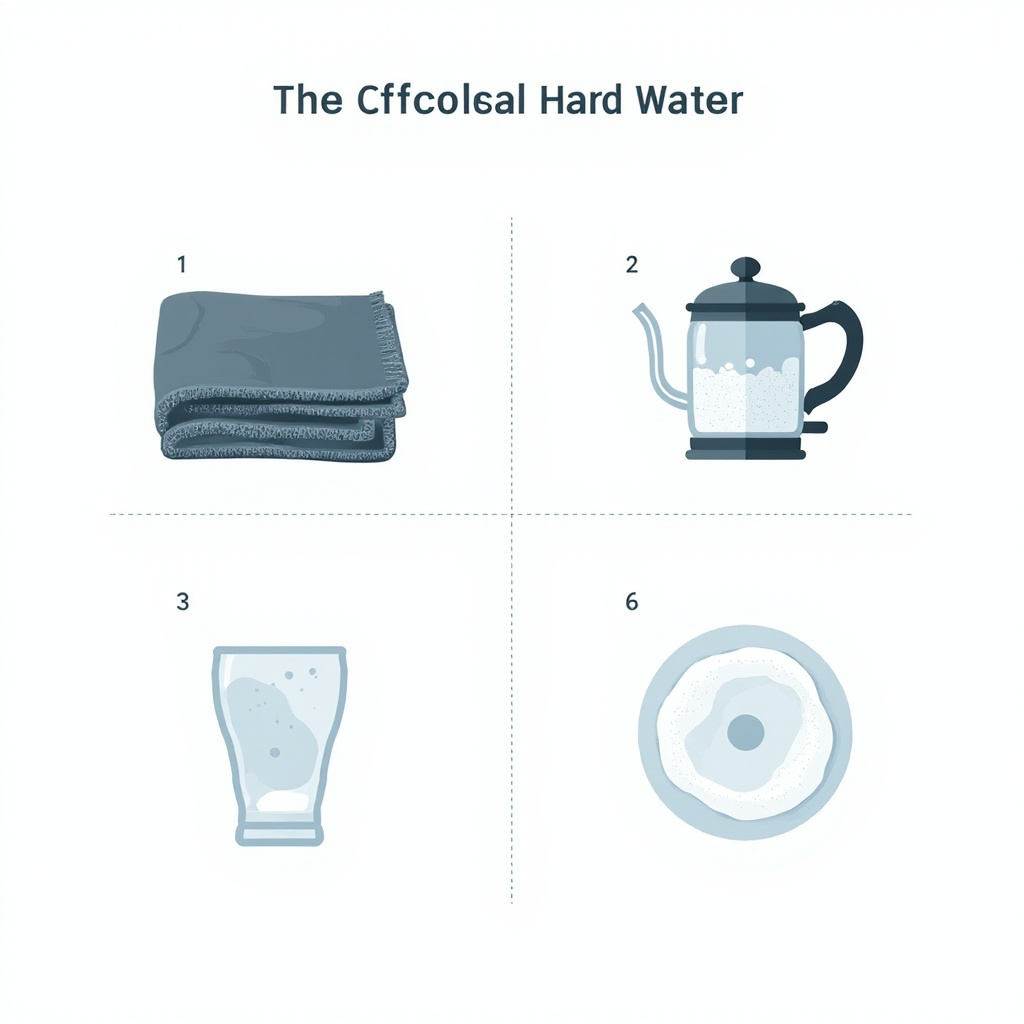
The comparison below covers the four practical domains people notice first: soap, glass, laundry, and scale. Each row explains why the difference exists, not just what you see.
| What you notice | Hard water | Soft water |
|---|---|---|
| Soap & shampoo | Lathers poorly, leaves a film; you use more product | Lathers quickly; less product needed; skin may feel “slick” |
| Shower glass & faucets | White chalky spots and crust within days | Stays clear longer; easy wipe-down |
| Laundry | Towels stiff, colors fade faster, whites grey | Softer fabric, brighter colors, less detergent needed |
| Inside pipes & appliances | Scale builds in kettle, water heater, dishwasher element | Minimal scale; appliances last longer, run efficiently |
If you want the actual numbers behind these descriptions—grains per gallon, ppm thresholds, and how to read your local water report—see water hardness levels and the gpg scale.
Soap and lather: the soap scum reaction
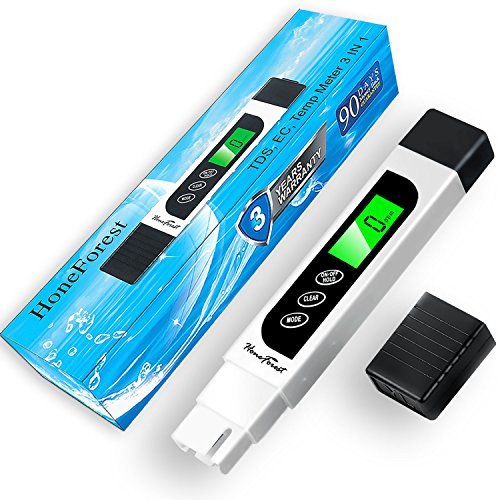
Calcium and magnesium ions react with soap to form an insoluble compound—basically the stuff you scrub off shower doors. That reaction eats your shampoo and body wash before it ever reaches your skin. In a hard-water home, a bottle of liquid soap lasts roughly half as long. The USGS describes this as the most common complaint tied to hardness: soap simply stops working the way the label promises. A digital TDS meter won’t measure hardness directly, but it confirms whether dissolved solids are high enough to warrant a closer look.
Glass and fixtures: evaporation leaves minerals behind
The white spots on your shower door are calcium carbonate and magnesium residue left after a water droplet evaporates. They are not harmful, but they bond tightly to glass and get harder to remove the longer they sit. For cleaning existing buildup, see hard water stains on glass. A softener prevents new spots; it will not dissolve the ones already there.
Laundry and detergent: you are overusing product
Detergent manufacturers formulate for average hardness. In hard water you need roughly 30–50% more detergent to reach the same cleaning result, according to American Cleaning Institute guidance. Soft water lets you cut back to the label dose—or less. Towels come out softer, whites stay brighter, and the washing machine heating element does not scale up.
Scale in pipes and appliances: the slow cost
This is the expense you do not see until a heater fails early. A Battelle Memorial Institute study commissioned by the Water Quality Association found that 1.6 mm of scale on a water heater element cuts efficiency by about 12%. Multiply that across the water heater, dishwasher, coffee maker, and kettle, and the yearly cost of doing nothing adds up. Scale also narrows pipe diameter over time, dropping flow rate at fixtures farthest from the main.
Soft water tradeoffs
Soft water is not universally “better.” If you are weighing the switch, know the tradeoffs before you commit.
The “slick” feeling on skin
Soft water does not leave soap residue on skin, so skin feels slippery—many people think the soap has not rinsed off. It actually has; there is just no mineral film trapping it. Acclimation typically takes one to two weeks. If the sensation bothers you long-term, you can dial back the softener slightly or rinse with cooler water.
Sodium content
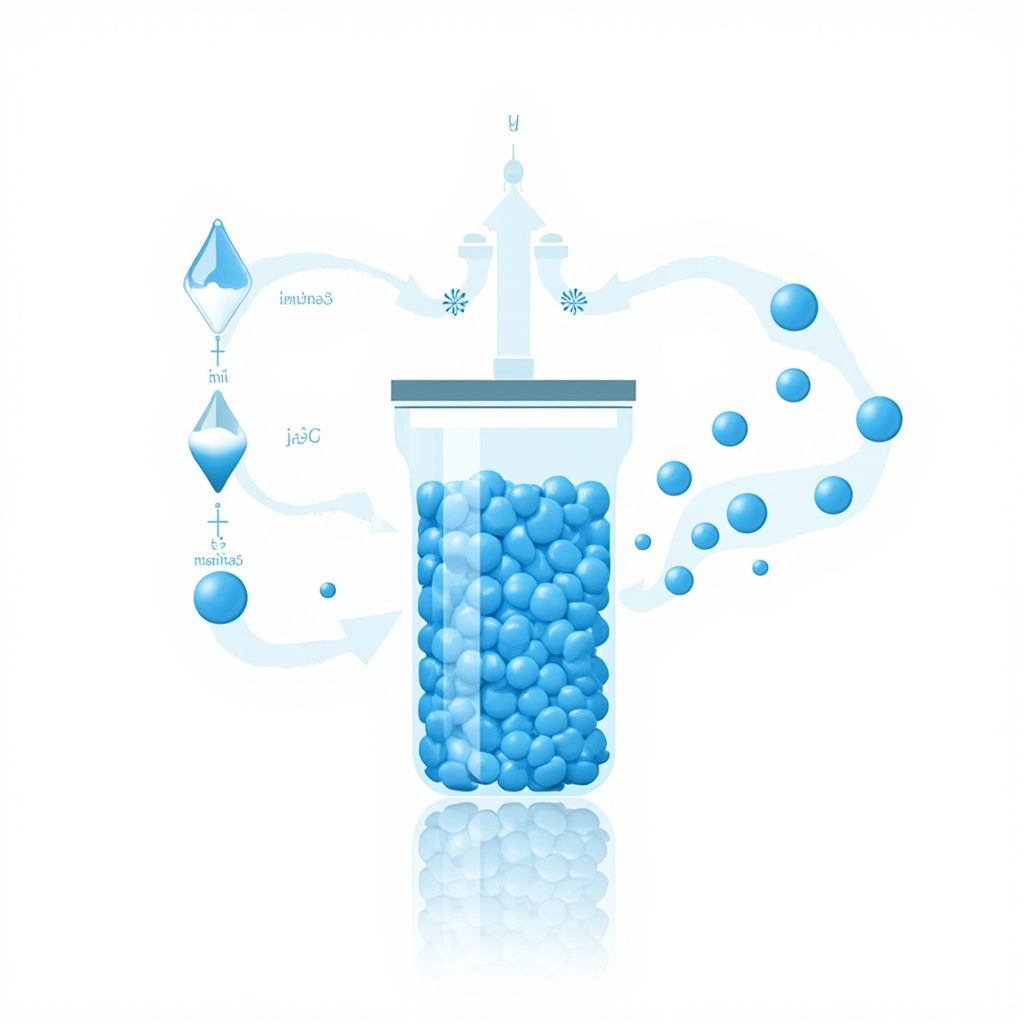
Ion-exchange softeners swap calcium and magnesium for sodium. Each grain of hardness removed adds about 8 mg of sodium per liter of water. At 10 gpg hardness, that is roughly 80 mg per liter—comparable to a slice of bread. Test your actual gpg first so you know your real sodium add before worrying about it. For most people this is negligible. If someone in the household follows a strict sodium-restricted diet, the standard workaround is a separate unsoftened drinking tap or an under-sink reverse osmosis unit. We do not give medical advice; ask a clinician if sodium intake is a concern. See softener vs RO vs filter for how the two systems compare.
Taste differences
Hard water often carries a mineral taste some people prefer for drinking. Ion-exchange softened water can taste faintly salty. If taste is the deciding factor, a bypass tap or a small under-sink RO gives you soft water everywhere except the kitchen sink. A TDS meter helps you track whether dissolved solids are shifting over time.
If you keep fish or water plants
Softened water from an ion-exchange unit carries extra sodium and a shifted pH. That combination is not ideal for tropical aquariums or sensitive garden plants. Most homes solve this with a bypass valve on the outdoor tap or the line feeding a fish tank. Salt-free conditioners do not add sodium, but they also do not actually remove hardness minerals—so check what your specific fish or plants need before switching their source water.
How you get soft water at home
Three paths exist. Only one of them is what most people mean when they say “water softener.”
Ion-exchange softener (the standard path)
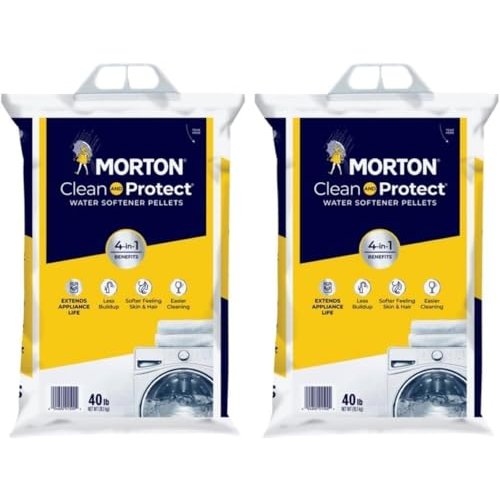
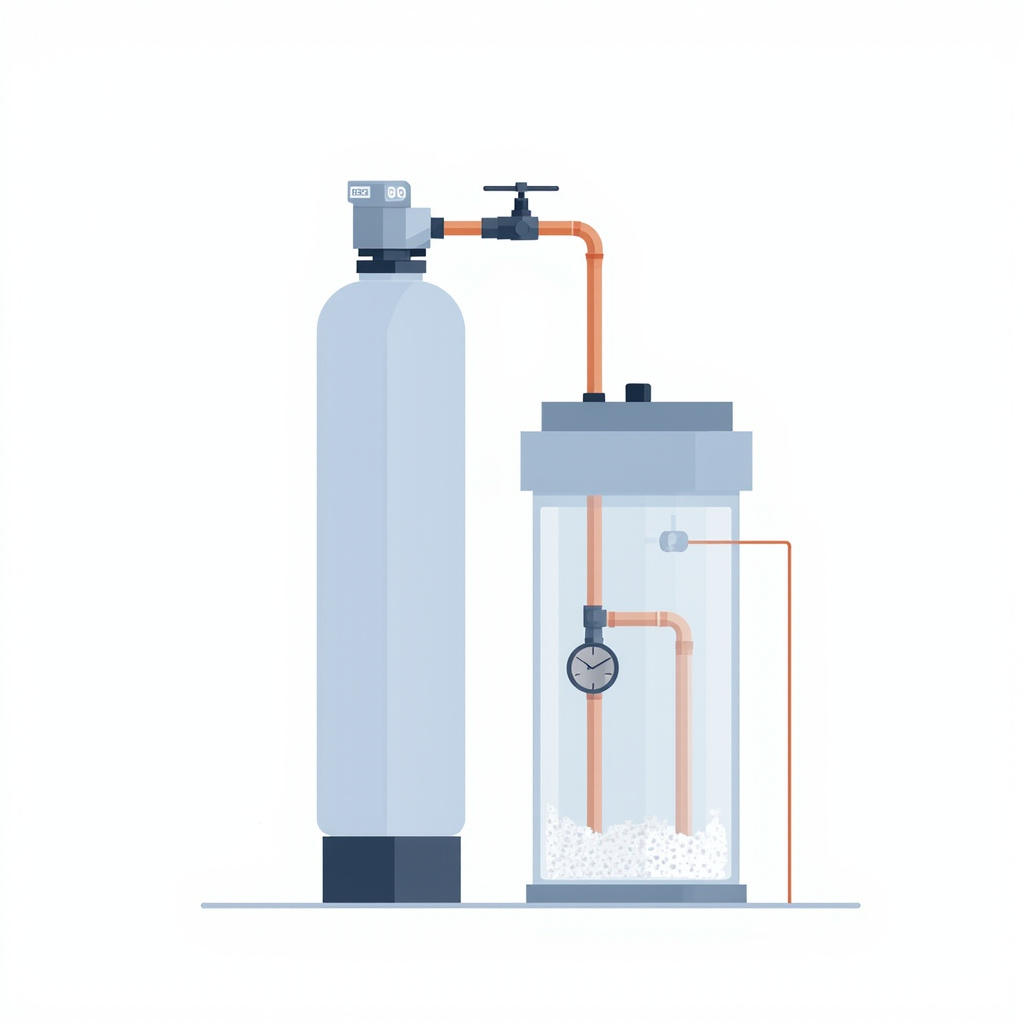
Resin beads charged with sodium swap hardness ions for sodium ions. When the resin is saturated, the system regenerates by flushing with salt brine. This is what roughly 90% of “water softener” installations do. If you already run one, standard 40-lb salt pellets keep it cycling. For the full regeneration mechanism and resin care, see how water softeners work.
Salt-free conditioner (alternative)
A salt-free system crystallizes hardness minerals so they are less likely to stick to surfaces—but it does not remove them. Your test strip will still read the same grains per gallon. Soap lather may improve slightly, but not as dramatically as with ion exchange. Match the claim to your actual goal before buying.
Whole-house reverse osmosis (rare, high-end)
RO forces water through a membrane that removes virtually everything—minerals, chlorine, and contaminants. It is expensive and wasteful (typically 3–4 gallons of waste water per gallon of product). Whole-house RO is rare; most homes use a small under-sink unit for drinking and cooking only.
Softener vs only treating drinking water
This is the decision point that trips people up. Filtering your drinking water feels like a fix, but it does not address the rest of the house.
What a drinking-water filter does not fix
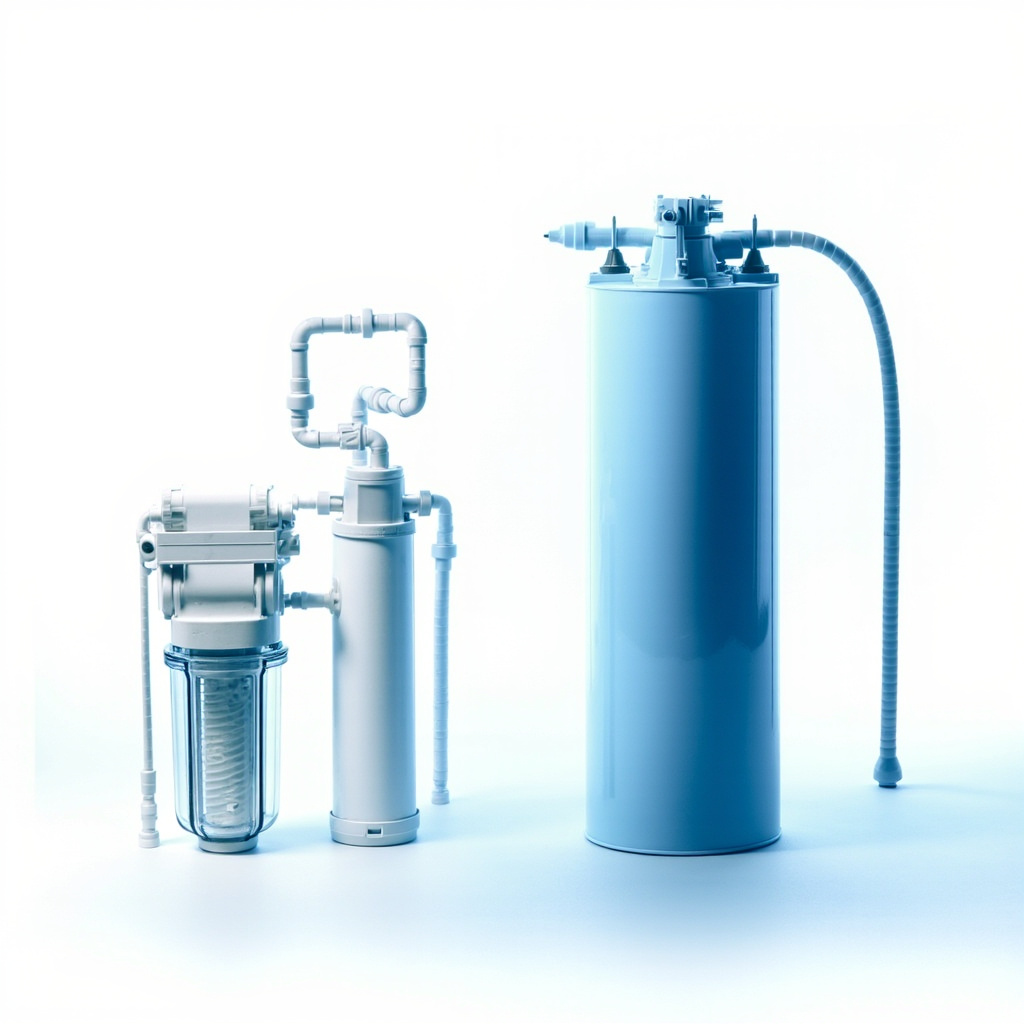
An under-sink RO unit or a pitcher filter improves the water you drink. It does nothing for shower glass scale, laundry stiffness, soap consumption, water heater efficiency, or fixture lifespan. The hardness minerals are still in every other tap. If scale on glass or stiff towels is your main complaint, a drinking filter alone will not solve it.
When RO-only makes sense
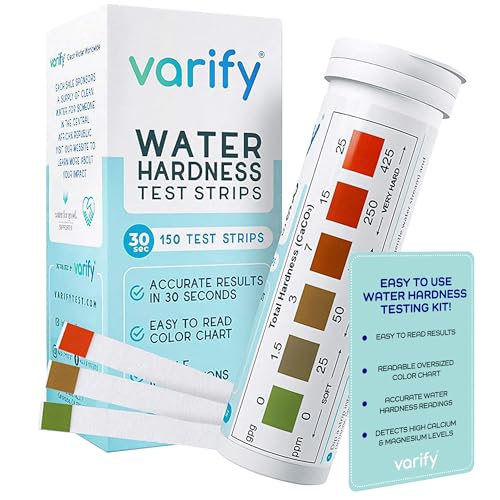
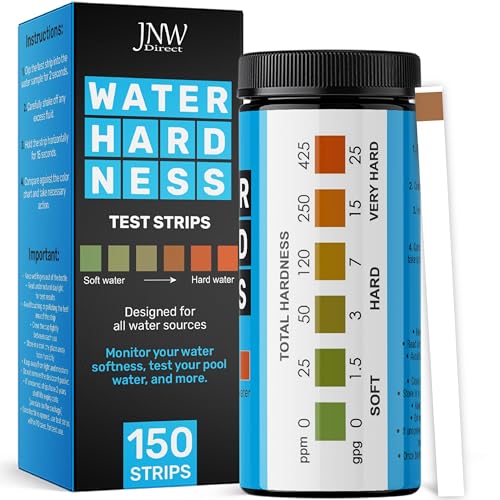
If you rent, have low hardness (under 3 gpg), or only care about drinking taste, a $150 under-sink RO is cheaper and targets the actual problem. Before committing, test your actual hardness with a strip—a $10 kit tells you your gpg in 30 seconds and prevents overbuying.
When a whole-house softener is the right call
If your hardness is 7 gpg or higher, you see visible scale, soap will not lather, or appliances are scaling, a whole-house softener treats every tap. Salt maintenance is ongoing—roughly one 40-lb bag per month for a typical household. For the full sizing and selection walkthrough, see how to choose a water softener. If you want to keep monitoring after install, a 150-strip bulk kit lets you check multiple taps quarterly without reordering.
Common mistakes
-
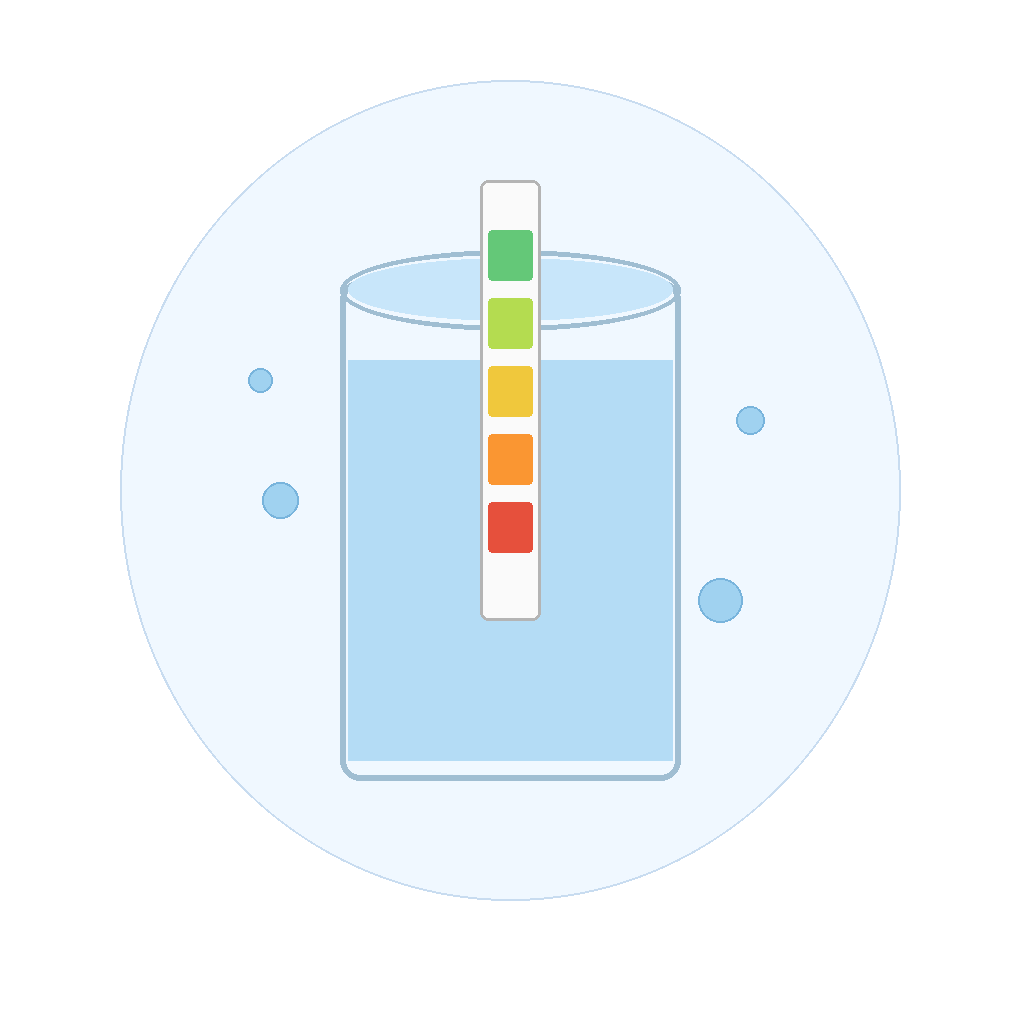
Assuming “filtered” means “softened.” A carbon pitcher or fridge filter removes chlorine and odor, not calcium and magnesium. The minerals pass straight through. Test with a hardness strip before assuming anything.
-
Thinking soft water is “purer” or healthier. Softening changes mineral content; it is not a purity upgrade. The debate around drinking softened water is about taste and sodium, not safety. EPA does not even regulate hardness—it is an aesthetic parameter, not a health standard.
-
Over-softening. Setting your softener too aggressive wastes salt and adds unnecessary sodium. Set it to your actual measured gpg, not “max.” If you run a Fleck-style head, check the hardness and capacity dials against your test result rather than guessing.
-
Ignoring the sodium tradeoff for plants or aquariums. Softened water from an ion-exchange unit is not ideal for tropical fish or some garden plants. Install a bypass valve on outdoor taps and the aquarium line so those sources stay unsoftened.
-
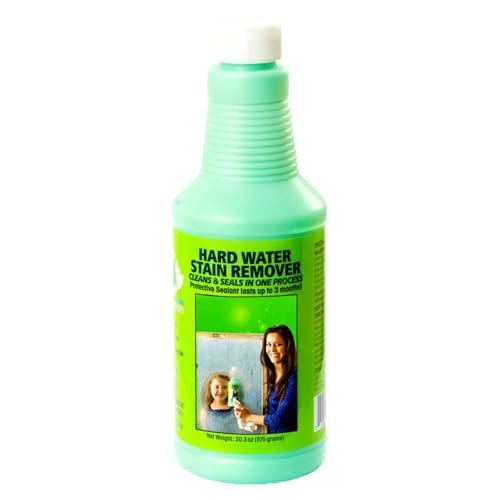
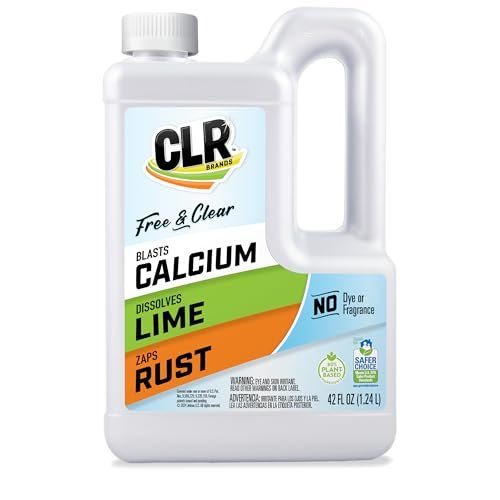
Expecting a softener to dissolve existing stains. A softener prevents new scale; it does not remove what is already there. Use a dedicated hard water stain remover to descale shower glass and fixtures first, then install the softener to stop recurrence. For everyday maintenance on faucets and showerheads, a budget CLR-type descaler handles light buildup without specialty products.
Related
- What is hard water? — Start here if you are new to hard water basics: what it is, where it comes from, and what it damages.
- Water hardness explained — gpg and ppm numbers, hardness classification ranges, and how to read your local water report.
- How water softeners work — The full ion-exchange mechanism, regeneration cycle, and resin care.
- How to choose a water softener — Size, type, and brand selection guide with a sizing walkthrough.
- Hardness test kits — Which test strips or meters to buy and how to read results.
Key takeaways
- Hard water = high calcium and magnesium; soft water = very little. The difference is measurable with a strip, not just a feeling.
- Four things actually change: soap lather, glass spotting, laundry feel, and scale buildup.
- Soft water is not “cleaner”—it removes mineral interference so your soap and detergent work as designed.
- Ion-exchange softeners add a small amount of sodium; consider a drinking bypass if sodium intake matters.
- Filtering drinking water alone does not fix scale, laundry, or soap problems—it is a taste-only solution.
- Test before you buy: a $10 strip gives you your gpg in 30 seconds.
- A softener prevents new scale; existing stains need a descaler first.