Quick answer
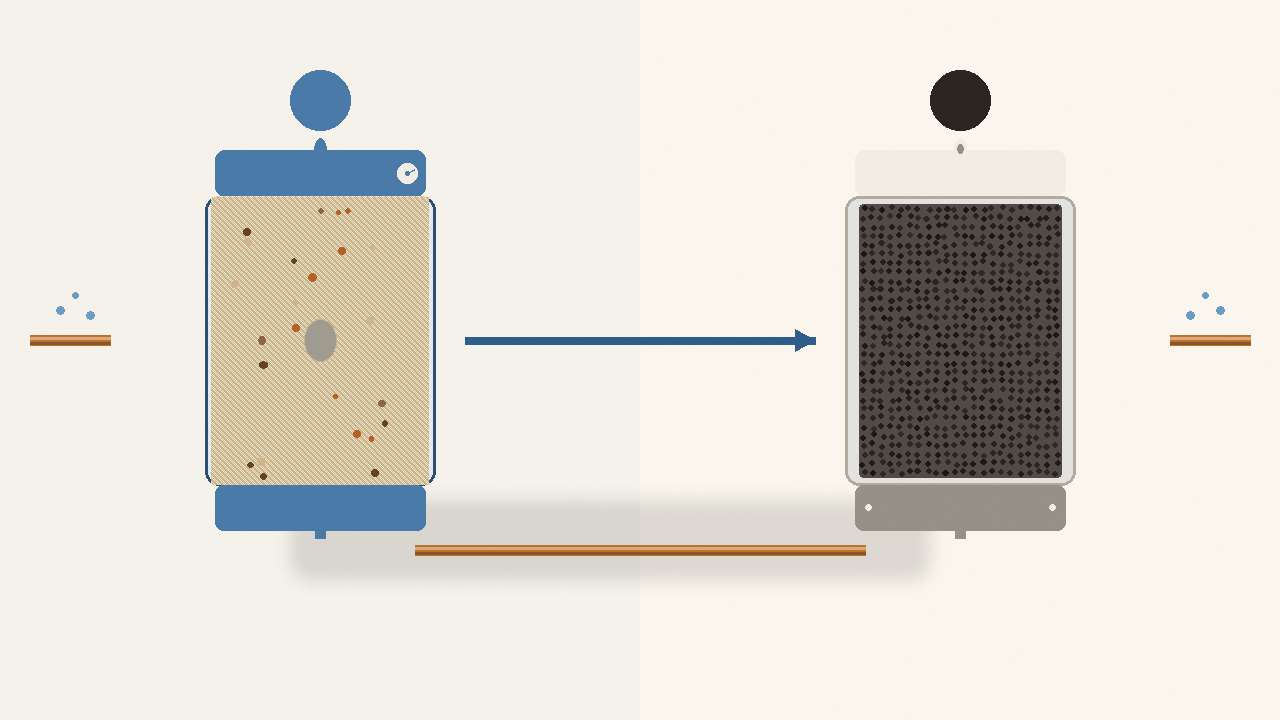
Carbon and sediment do different jobs. Sediment catches sand, silt, rust, and scale chips; carbon (GAC, KDF, or carbon block) catches chlorine taste, odor, and some VOCs. In almost every home the sediment pre-filter goes in first, with carbon downstream of it. Run only carbon when your supply is already clean and you only need polishing; run only sediment when you have well water and just want the dirt out.
What each filter actually does
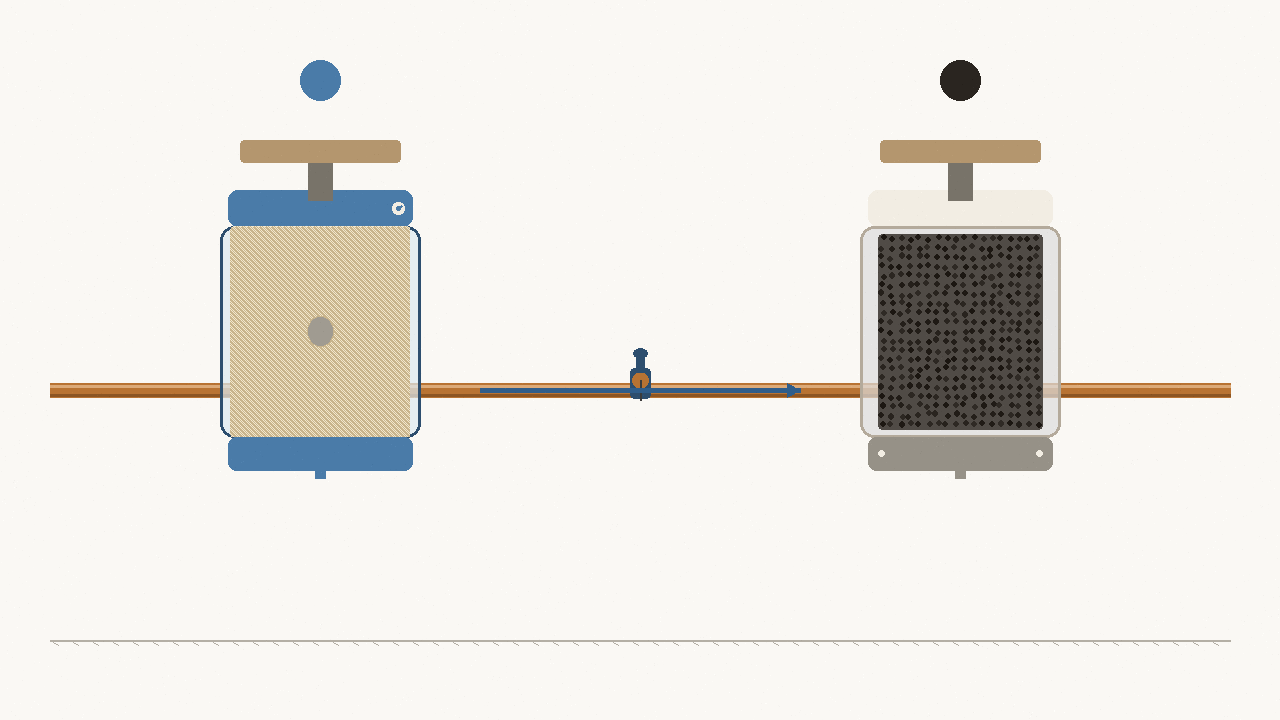
A “whole-house filter” is usually a 1- or 2-stage rack on the main supply line, before the softener and before any branch lines. Most homes run a sediment stage, a carbon stage, or both in series. People mix them up because they both live in the same blue housing, but they catch different things.
Carbon (GAC, KDF, carbon block)
Carbon stage media: granular activated carbon (GAC), sometimes blended with KDF (a copper-zinc alloy) to also handle chloramine. Carbon block is the same idea in a denser form — finer capture, slower flow. What it removes: chlorine taste and odor, some volatile organic compounds, and a fraction of chloramine when KDF is present. What it does not remove: hardness minerals, iron, manganese, sulfur, or sediment.
Sediment (PP string, pleated, spun-poly)
Sediment stage media: polypropylene string wound around a core, pleated paper or polyester, or spun-bonded poly. All three are mechanical — they physically block particles. What they remove: sand, silt, rust flakes, scale chips, and any other particulate in the supply. What they do not remove: dissolved chemicals, chlorine, or anything smaller than the cartridge’s micron rating.
Dimension table — jobs at a glance
| Dimension | Carbon stage (GAC / KDF) | Sediment stage (string / pleated) |
|---|---|---|
| What it catches | Chlorine, odor, some VOCs | Sand, silt, rust, scale |
| Micron rating | n/a (chemical adsorption) | 1-50 micron (typical 5) |
| Goes first? | No (usually second) | Yes (almost always) |
| Replacement cadence | 3-6 months | 3-6 months (city), more often on well |
| Tells you it is worn | Taste / odor returns | Pressure drop on the gauge |
| Cost per cartridge | $20-$60 standard, $80-$250 Big Blue | $10-$30 standard, $30-$60 Big Blue |
| Needs sediment in front? | Strongly recommended | No |
Dimension 1: filtration precision
Carbon: chemical adsorption, not mechanical filtration
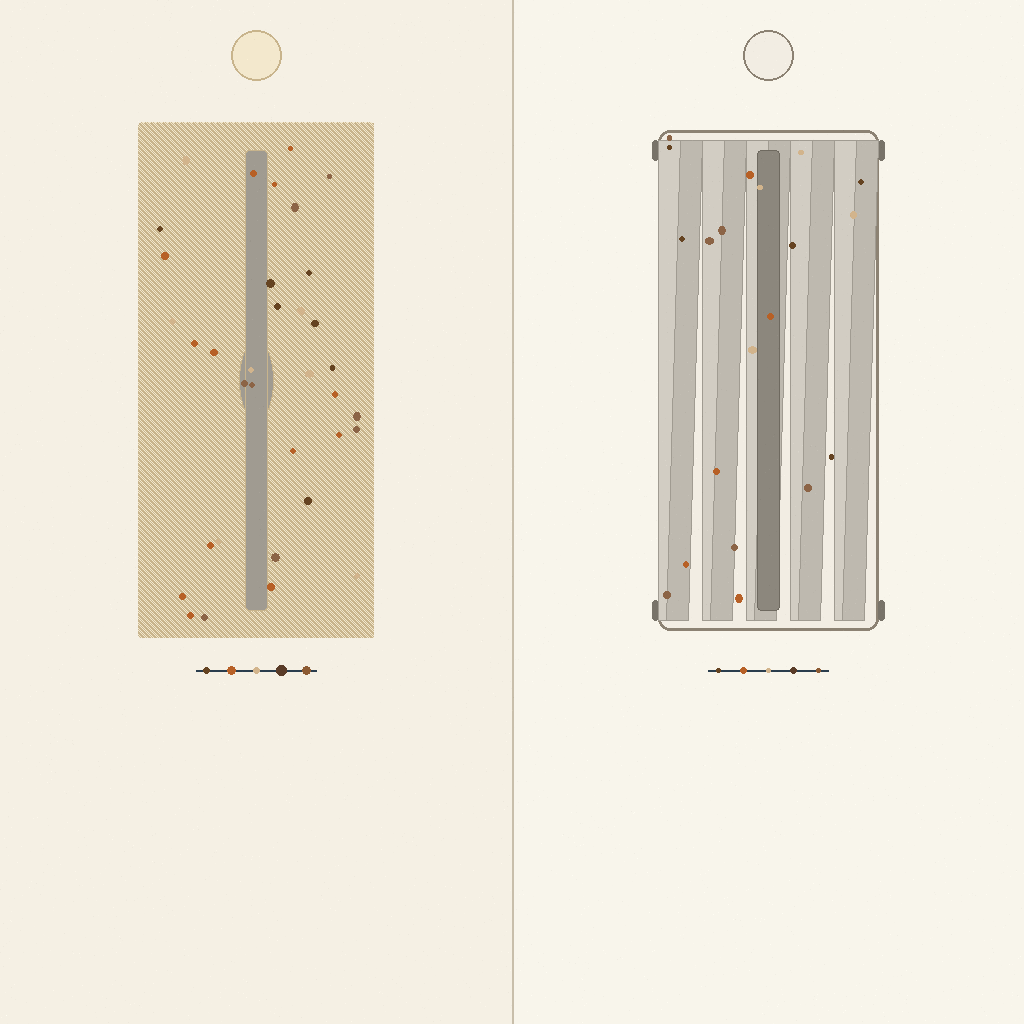
Carbon does not have a “micron rating” in the same way sediment does. It works by adsorption — dissolved molecules stick to the surface of the carbon pores. Different media have different surface areas. GAC has more capacity for chlorine and VOCs than carbon block; carbon block has finer pores and lower flow. Neither one is “better” in any absolute sense; the rating is on a different axis.
Sediment: a real micron rating, but a flexible one
A 5-micron sediment cartridge catches most sand, most rust, and most scale chips. A 1-micron cartridge catches more but clogs faster on real-world water. A 20-micron cartridge is the rough pre-filter — it keeps big stuff out but lets through anything that would stain laundry or clog a faucet aerator. The whole-house filters overview walks through housing sizes if you are still choosing the rack itself.
Why “5 micron” means different things
A 5-micron string-wound cartridge is nominal — it catches about 85% of particles at 5 micron. A 5-micron pleated cartridge is absolute — it catches nearly everything at 5 micron. The string-wound version has more dirt-holding capacity; the pleated version has cleaner filtered water but a shorter life. Pick based on whether you care more about dirt capacity or filter fineness — and don’t assume “5 micron” means the same thing across brands.
Dimension 2: media (GAC/KDF vs PP/string)
Granular activated carbon (GAC)
GAC is the workhorse carbon media. Loose carbon granules inside a cartridge or tank; water flows through and chlorine sticks to the carbon surface. Capacity is rated in gallons or months. Standard 10-inch GAC cartridges typically run 3-6 months in residential use. If you are buying a replacement cartridge for an existing rack, the filter cartridge guide covers sizing and brand tradeoffs.
Catalytic carbon + KDF
Catalytic carbon is a higher-activity carbon that breaks down chloramine (which regular GAC barely touches). KDF is a copper-zinc alloy media that uses redox to convert free chlorine to chloride and reduce some heavy metals. KDF plus carbon is the standard combination when your utility uses chloramine instead of chlorine. NSF/ANSI 42 covers the carbon side; chloramine handling needs the catalytic carbon to do meaningful work.
Polypropylene (PP) string wound
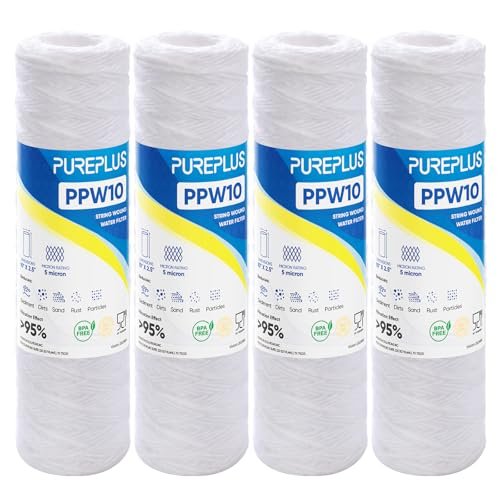
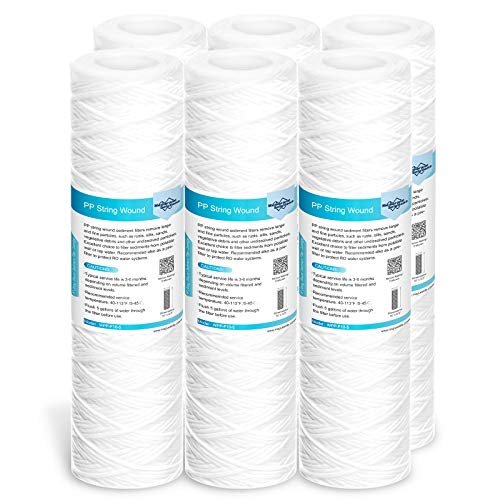
String-wound cartridges are made by winding polypropylene yarn around a core. The winding pattern creates a depth filter — the outside catches larger particles, the inside catches finer ones. Dirt-holding capacity is the main selling point. A 5-micron PUREPLUS string-wound pre-filter is the workhorse 10x2.5 cartridge for well water or rusty city mains.
Pleated vs string — flow vs capacity
Pleated cartridges have higher flow rates per square inch because the folded media gives more surface area in the same housing. They clog faster because the surface area is more accessible to particulates. String-wound cartridges give up flow for dirt-holding capacity. For a 4-person household on city water, either works. For a well with heavy sediment, string-wound is the safer choice. If you want the highest review-count 10x2.5 string-wound alternative, the Membrane Solutions 5-micron is a drop-in for the same standard housing.
Dimension 3: series order (which one first)
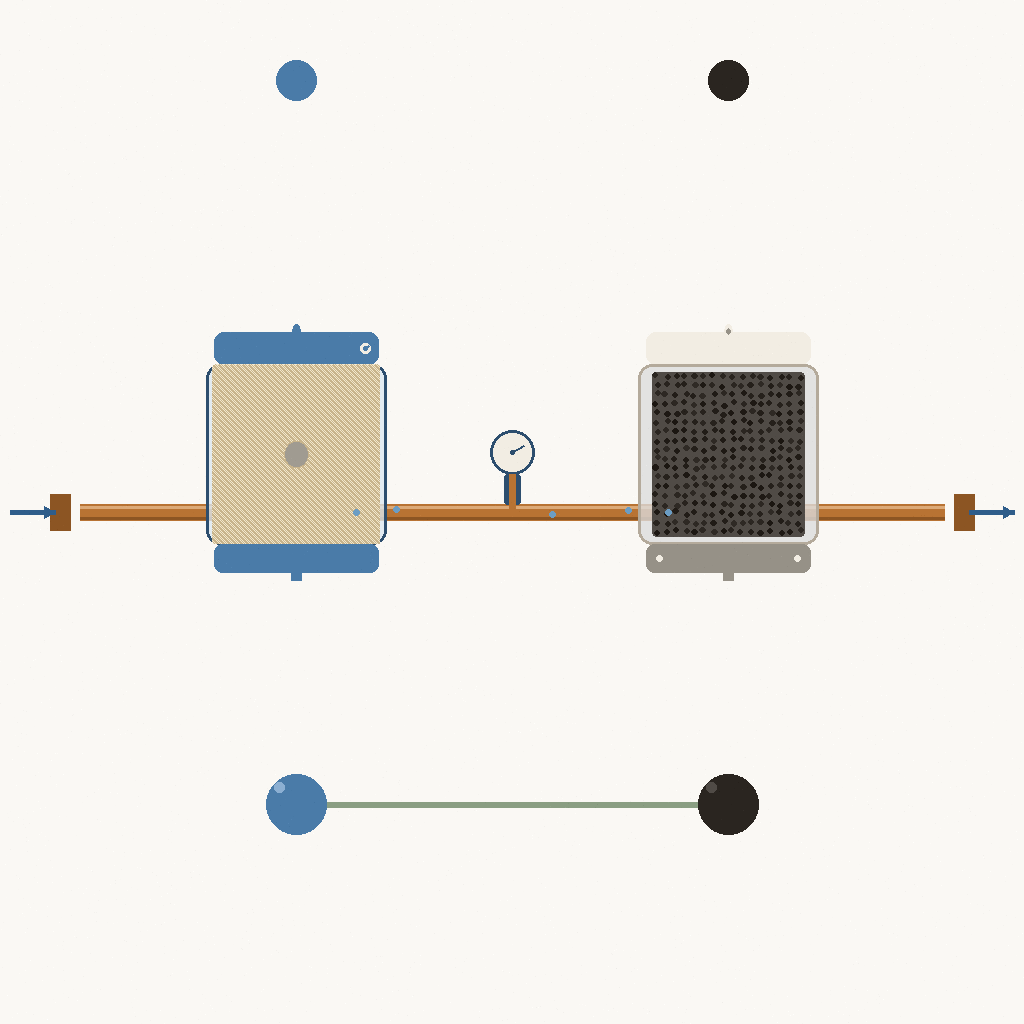
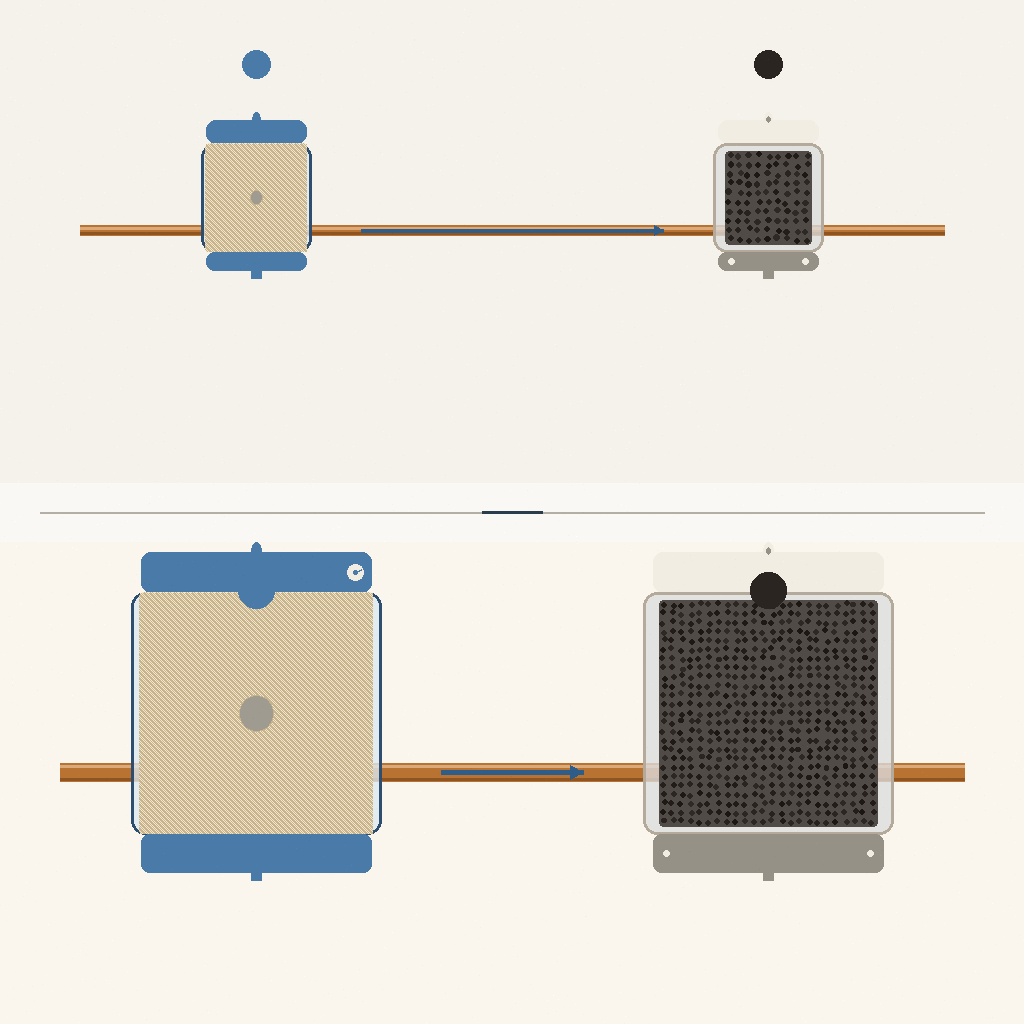
Sediment before carbon (the standard)
Run sediment first because:
- Carbon’s job is chemical, and it does that job poorly when its pore structure is full of dirt
- Carbon cartridges cost 3-5x more than sediment cartridges per replacement; protecting them with a $20 pre-filter saves money
- Pressure drop across two stages is more predictable than across a clogged single stage
This is the standard setup in 90%+ of multi-stage whole-house filtration racks.
When carbon comes first (rare cases)
A few setups run carbon first:
- Single-stage combo cartridges (sediment plus carbon in one) — the order doesn’t matter because both media are in the same housing
- Polishing setups where the upstream water is already filtered (e.g., right after a softener or after a municipal filter station)
If someone tells you to put carbon first in a two-stage rack, ask why. There’s almost always a better way.
Single-stage options
If you only want to install one stage, your call is whether your priority is taste/odor (carbon) or visible dirt (sediment). For city water with chlorine smell, a single GAC cartridge does meaningful work. For well water with visible sediment, a single string-wound cartridge is the right move. For both, run two stages. Don’t try to handle both jobs with one combo cartridge long-term — media life gets cut in half and you’ll swap twice as often.
Dimension 4: maintenance interval
Carbon cartridge replacement cadence
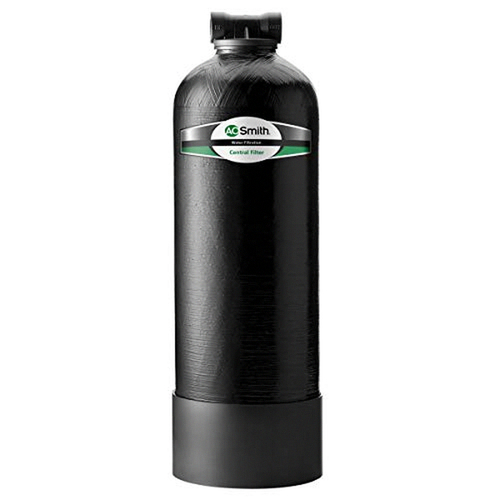
GAC cartridges: 3-6 months in most homes, or when you notice chlorine taste creeping back. Turnkey carbon systems like the A. O. Smith AO-WH-Filter run 6 years on a 600,000-gallon capacity rating — that is roughly 2-3 years for a 4-person home. Big Blue 10-inch GAC cartridges: 6-12 months depending on usage and chlorine level.
Sediment cartridge cadence
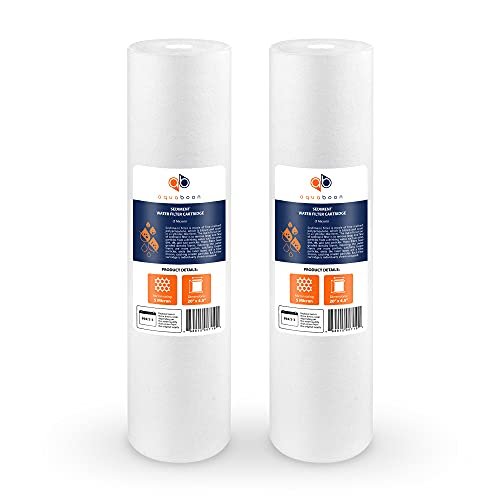
Sediment: 3-6 months on city water, sometimes monthly on heavy-sediment well water. The signal is pressure drop — when your kitchen faucet flow drops noticeably, the sediment stage is probably full. Some well-water homes swap sediment every 30 days. The Aquaboon 20x4.5 Big Blue sediment covers higher-flow homes with 20-inch housings.
Pressure drop as the real signal
The honest signal for both stages is the pressure gauge on the filter housing. When differential pressure rises 10-15 psi above clean, swap the cartridge regardless of the calendar. Calendar-based replacement wastes cartridges; pressure-based replacement gets the most life out of each one, and you’ll notice the difference on heavy-sediment wells.
Can you combine? (series vs single-stage)
Yes — and most whole-house systems do. The common pattern is:
- 5-micron sediment pre-filter (10x2.5 or 10x4.5)
- GAC carbon stage (matching form factor)
- Optional: KDF/catalytic carbon if your utility uses chloramine
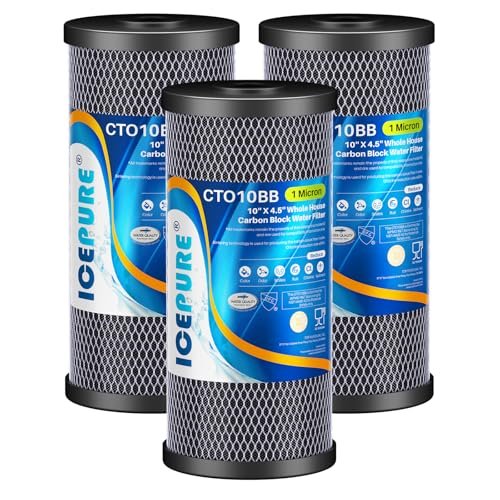
For renters or short-term setups, a combo cartridge (sediment plus carbon in one) is the cheap shortcut. For owner-occupied homes, the two-stage setup is more cost-efficient over a 5-year horizon. The ICEPURE 10x4.5 combo 3-pack is the single-SKU shortcut when you don’t want to track separate stages.
Who should pick what (decision tree)
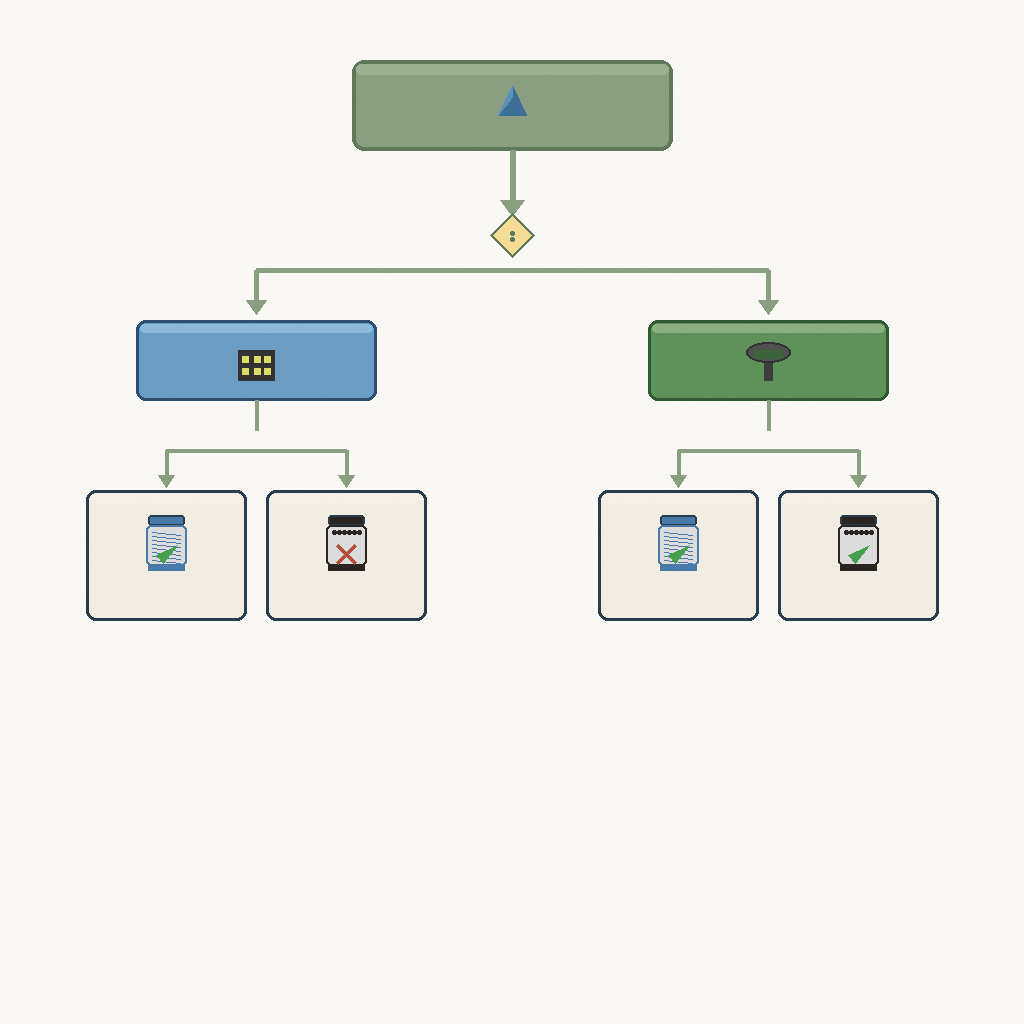
- Q1. Do you want soft water (no scale) or just cleaner water (less taste and odor)?
- Cleaner-only → carbon plus sediment in series.
- Soft water → you also need a softener; see /systems/how-water-softeners-work/ for the softener side, and /systems/softener-vs-ro-vs-filter/ for the three-system screen.
- Skip a filter-only setup if your gpg is above 7 — you’ll still see scale on fixtures and the water heater even with perfect sediment and carbon stages.
- Q2. Well water or city water?
- Well → sediment stage is almost always mandatory (rust, sand, silt).
- City → can be carbon-only if the utility is delivering already-filtered water.
- Q3. Visible rust or sand in faucet aerators?
- Yes → 5-micron sediment stage first, no exceptions.
- Q4. Chlorine smell at the tap?
- Yes → GAC stage mandatory; add KDF if your utility uses chloramine.
- Q5. Existing 10-inch housings or new build?
- Existing 10-inch → standard 10x2.5 cartridges.
- New build → Big Blue 20-inch for higher flow, or a turnkey system like the A. O. Smith AO-WH-Filter.
- Q6. One SKU to swap or two stages for media life?
- One SKU → combo cartridge (ICEPURE 3-pack).
- Two stages → standard GAC plus string-wound pair.
- Q7. NSF/ANSI certification required?
- Look for the NSF stamp on the cartridge label. NSF/ANSI 42 covers carbon (aesthetic); NSF/ANSI 53 covers mechanical sediment reduction.
What you’ll need (after you decide)
The links below are affiliate links to the products referenced in this article. Each is sized to drop into a standard whole-house filtration rack.
| If you need | Pick | Notes |
|---|---|---|
| A turnkey whole-house carbon system | A. O. Smith AO-WH-Filter (600K-gal tank, GAC + KDF, 6-year warranty) | For homes that want a single drop-in system, not a multi-stage rack |
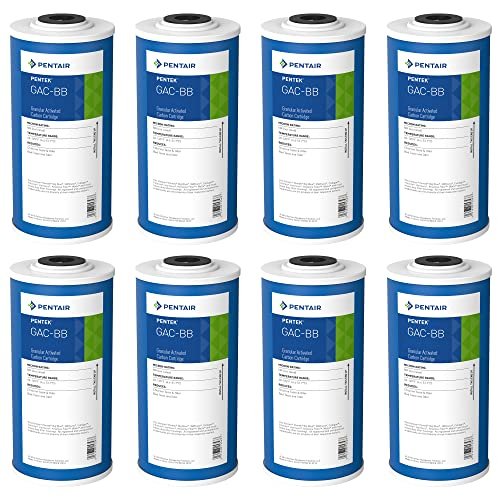
| A premium Big Blue GAC cartridge | Pentair Pentek GAC-BB (10-inch Big Blue, heavy-duty GAC) | Drop into existing 10-inch Big Blue housings; higher flow than 2.5-inch |
| A 10x4.5 combo cartridge (3-pack) | ICEPURE Sediment + Carbon 3-Pack | Single SKU; 3-pack covers 9-12 months |
| A 5-micron string-wound sediment (10x2.5) | PUREPLUS String Wound | The workhorse 10-inch pre-filter for well water or rusty city mains |
| A 5-micron string-wound sediment (10x2.5 alt) | Membrane Solutions 5 Micron | Higher review-count alternative in the same 10x2.5 slot |
| A 20-inch Big Blue sediment cartridge | Aquaboon 20x4.5 | For 20-inch Big Blue housings; pairs with a Big Blue GAC second stage |
Safety and limits
- Shut off water and relieve pressure before opening filter housings — that’s the step most folks skip on their first cartridge swap.
- Don’t force fittings; overtight plastic housings crack and you’ll be buying a replacement housing you didn’t plan on.
- Drain lines for whole-house filters must meet local code (air gap where required); if you’re unsure, use a plumber.
- Don’t run a carbon filter on water above 100°F inlet — heat damages carbon media and you’ll lose capacity fast.
- Keep cartridges and cleaners away from kids and pets; the poly strings aren’t food.
When to call a pro
Keep DIY if: swapping a cartridge you already own, adding a pressure gauge to an existing housing, replacing one stage with the same form factor.
Call a licensed plumber if:
- Cutting into the main supply line or relocating the filter rack
- Active leak at fittings or housing
- Installing a Big Blue 20-inch system where none existed (1-inch or larger line work)
- Pressure-tank-side install on a well with a pump control
We do not rank “water filter installer near me” companies.
Common mistakes
- Skipping the sediment stage because the water looks clear. Visible particles are a small fraction of what the filter is catching. A $20 5-micron string-wound pre-filter protects a $60 carbon cartridge from filling up with silt in 4-6 weeks.
- Buying a carbon system to “soften” the water. Carbon does not remove hardness minerals. If you want soft water, you need an ion-exchange softener. Carbon and sediment are for taste, odor, and visible cleanliness — not for scale control. See the scale on fixtures article for what carbon does not solve.
- Swapping cartridges while the housing is still under pressure. Shut off the supply upstream of the filter and depressurize the housing (open a downstream faucet) before opening the bowl. Forcing a pressurized housing open cracks the bowl and ends the cartridge life early.
- Sizing for total household gallons when only one stage exists. Two stages last longer per dollar than one dual-stage combo cartridge. The combo is convenient; the pair is cheaper per gallon filtered.
- Ignoring a pressure gauge. Calendar-based replacement wastes cartridges; pressure-based replacement catches the ones that clog early. A 2-inch glycerin-filled gauge on the inlet is the cheapest upgrade you can make.
Related
- Whole-house filters overview — when you need one and what each housing type supports
- Whole-house filter cartridge guide — sizing, replacement cadence, and housing compatibility
- Scale on fixtures — what sediment and carbon do not solve; hardness does
- Hard-water stains on shower glass — another symptom a carbon/sediment setup will not fix
- How water softeners work — when you also want soft water, not just cleaner water
- Softener vs RO vs filter — the three-system screen
Key takeaways
- Sediment is mechanical (catches particles); carbon is chemical (catches dissolved chlorine and odor). They do different jobs.
- In almost every home, sediment runs first and carbon runs second. Single-stage combo cartridges exist but trade media life for convenience.
- 5 micron is the workhorse rating for sediment pre-filters; finer clogs faster, coarser lets through visible silt.
- GAC carbon is the standard; KDF plus catalytic carbon is the upgrade when your utility uses chloramine instead of chlorine.
- Replace on pressure drop, not on calendar. Pressure-based replacement is the honest cadence; calendar-based replacement is a guess.
- A turnkey whole-house carbon system is the right call if you do not want to assemble a multi-stage rack. A 5-micron string-wound pre-filter belongs in front of whatever carbon stage you pick, even if your water “looks fine.”
- Carbon and sediment do not soften water. If you want soft water, you also need a softener — start with the how water softeners work page.