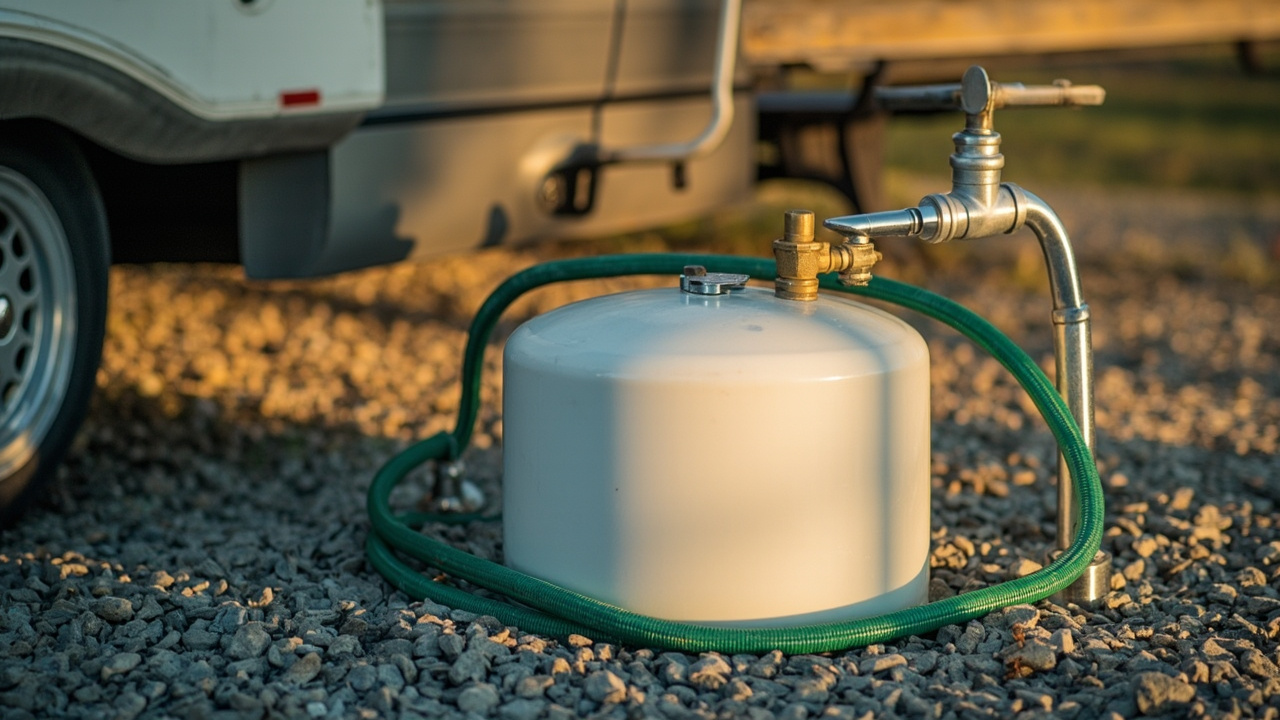
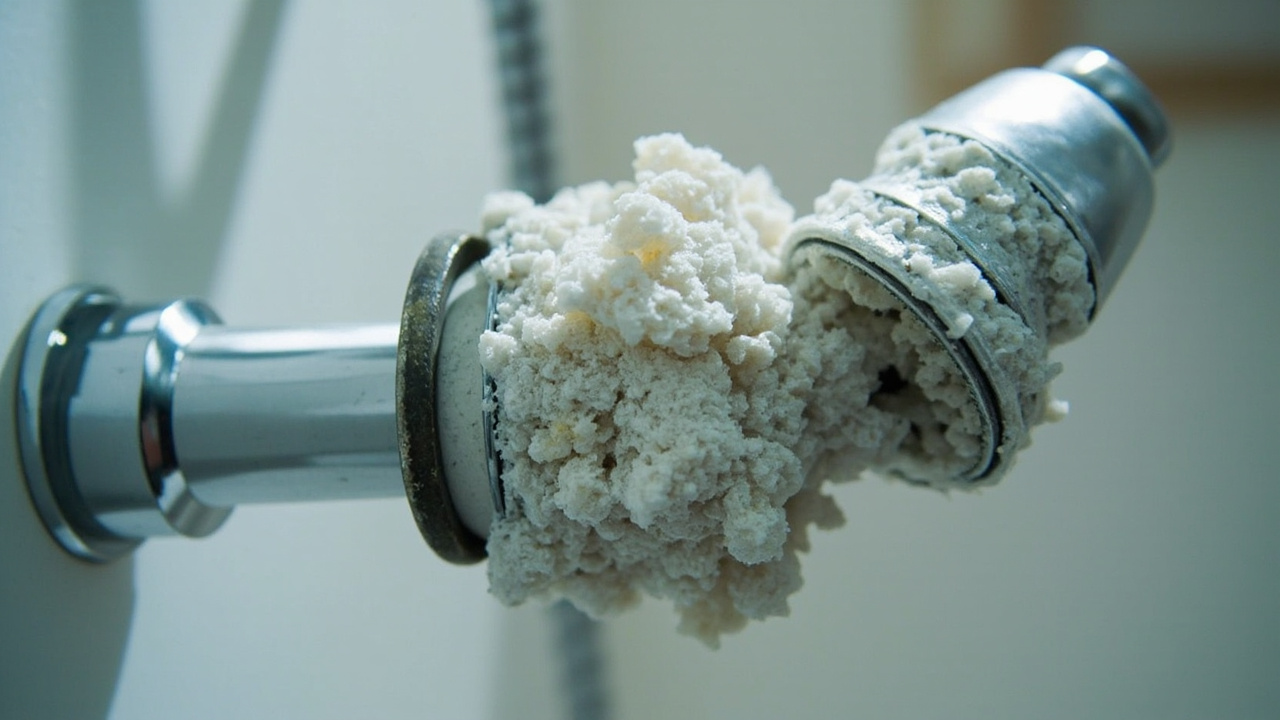
If the shower glass in your rig goes chalky white two days after you scrub it, you don’t need a harder cleaner. You need a hardness number. Guessing from a campground review is how RV owners end up with water spots, scale-clogged heater elements, and soap that won’t lather no matter how much they pour. Below is the short path: test the park water first, pick a grain capacity that matches how you travel, then connect the unit and regenerate on a schedule instead of waiting for spots to come back.
Quick answer
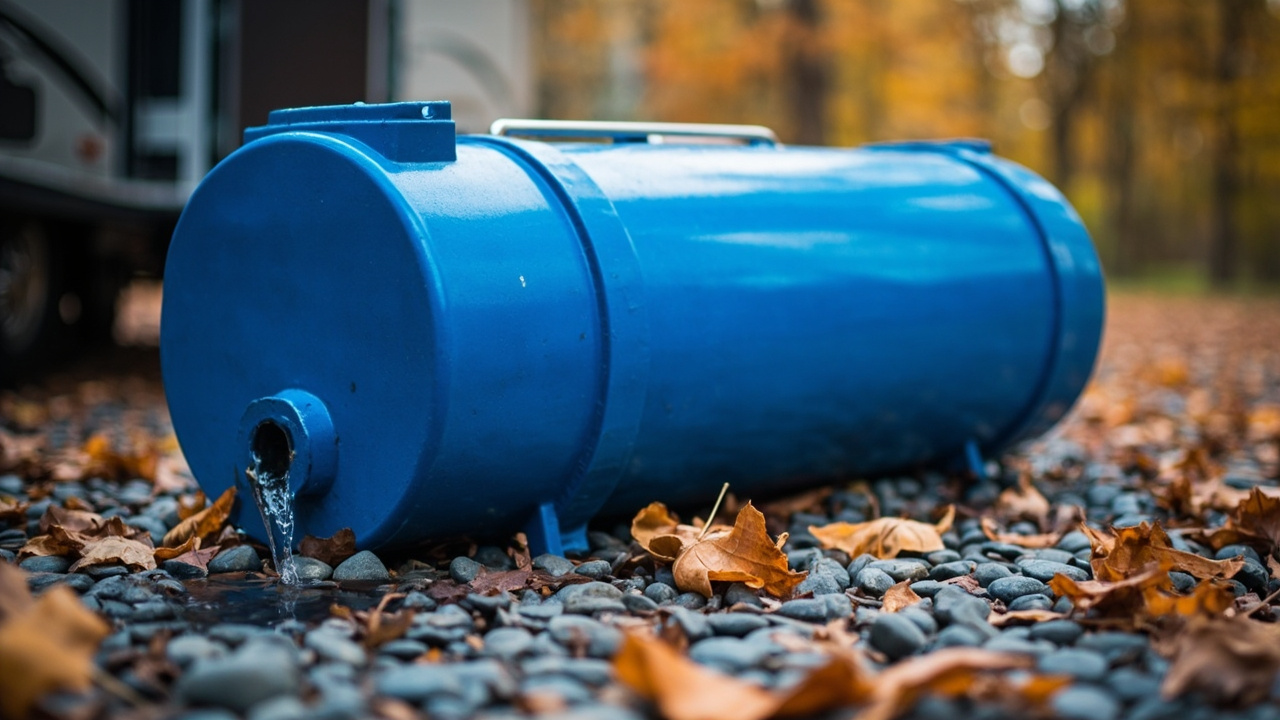
An RV water softener is a portable ion-exchange unit you connect between the campground spigot and your rig’s inlet hose. It is not plumbed in, needs no electricity, and you regenerate it yourself with salt every few days to a few weeks depending on park hardness. Most hold 8,000 to 16,000 grains of resin. The right one comes down to grain capacity, brass fittings, and how often you want to run a manual regeneration cycle.
Do you need an RV water softener?
Campground water hardness swings wildly from park to park. The same rig can pull soft municipal water at one stop and 25-gpg well water at the next, because hardness comes from dissolved calcium and magnesium in the source supply — a geological fact, not something the park controls USGS, Water Hardness. You will not know what you are drinking until you test.
The signs are easy to read once you know what to look for:
- White chalk on the shower glass and faucet aerators that wipes off but comes back in a day
- Soap that won’t lather — you keep squirting more shampoo and it still feels thin
- Water spots on dishes and the rig’s exterior that don’t wipe clean
- Mineral scale buildup inside the water heater or on the heating element
- Reduced flow at fixtures as scale narrows the passages
Here is the important framing: hardness minerals are a secondary (aesthetic) contaminant under EPA drinking water rules, not a primary health hazard. The EPA sets no federal limit on calcium or magnesium in drinking water EPA, National Primary Drinking Water Regulations. That means a softener protects your fixtures, your water heater, and your soap budget — it is not a health-critical purchase. Skip it if you only camp at soft-water parks and never see the signs above.
Two things to check before you spend anything:
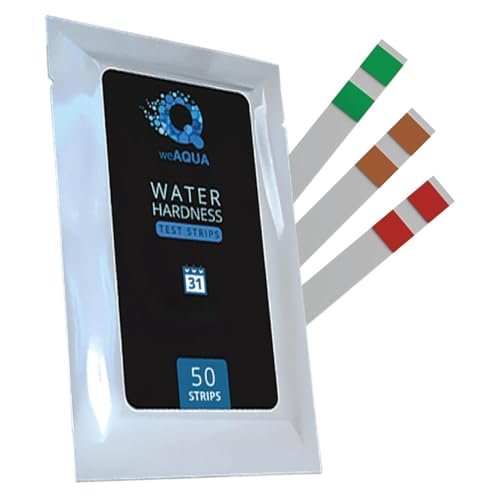
- Don’t buy a softener before you confirm hardness. A $6 hardness test strip tells you in 30 seconds whether the problem is real and how much capacity you actually need.
- Skip the softener entirely if you only camp at soft-water parks (under 3 gpg) and never see chalk or spotting. Save the money and the bay space.
For the fundamentals on grains-per-gallon and ppm, read our guide to understanding water hardness (gpg and ppm), and for the full kit breakdown see our hardness test kits review.
How RV softeners differ from home units
The core technology is identical — ion-exchange resin swaps hardness minerals for sodium, then you flush the captured minerals out with a brine solution. If you want the full mechanism, read how water softeners work (ion exchange). What changes for an RV is everything around the resin:
| Feature | Home softener | RV softener |
|---|---|---|
| Installation | Plumbed into the main line | Sits on the ground, garden-hose connections |
| Regeneration | Automatic, metered valve on a timer | Manual — you add salt and run the cycle |
| Resin capacity | 24,000–80,000 grains | 8,000–16,000 grains |
| Power | 120V control head | None |
| Weight | 75–200 lb | 18–35 lb |
The short version: an RV softener does the same job at a smaller scale, and you are the timer. There is no metered valve deciding when to regenerate — you check the water yourself and run the cycle when it goes hard.
One quick disambiguation, because the terms get confused in campground conversations. A softener (salt-based, ion exchange) removes hardness minerals — that is what fixes scale and spotting. A carbon or sediment filter improves taste, chlorine, and dirt but does nothing for hardness. A reverse-osmosis system polishes drinking water at a single tap but does not soften every shower. If your only complaint is chlorine smell, a filter solves it for less money than a softener. For the home-scale decision tree, see how to choose a water softener for your home.
Size: grain capacity vs your rig and water use
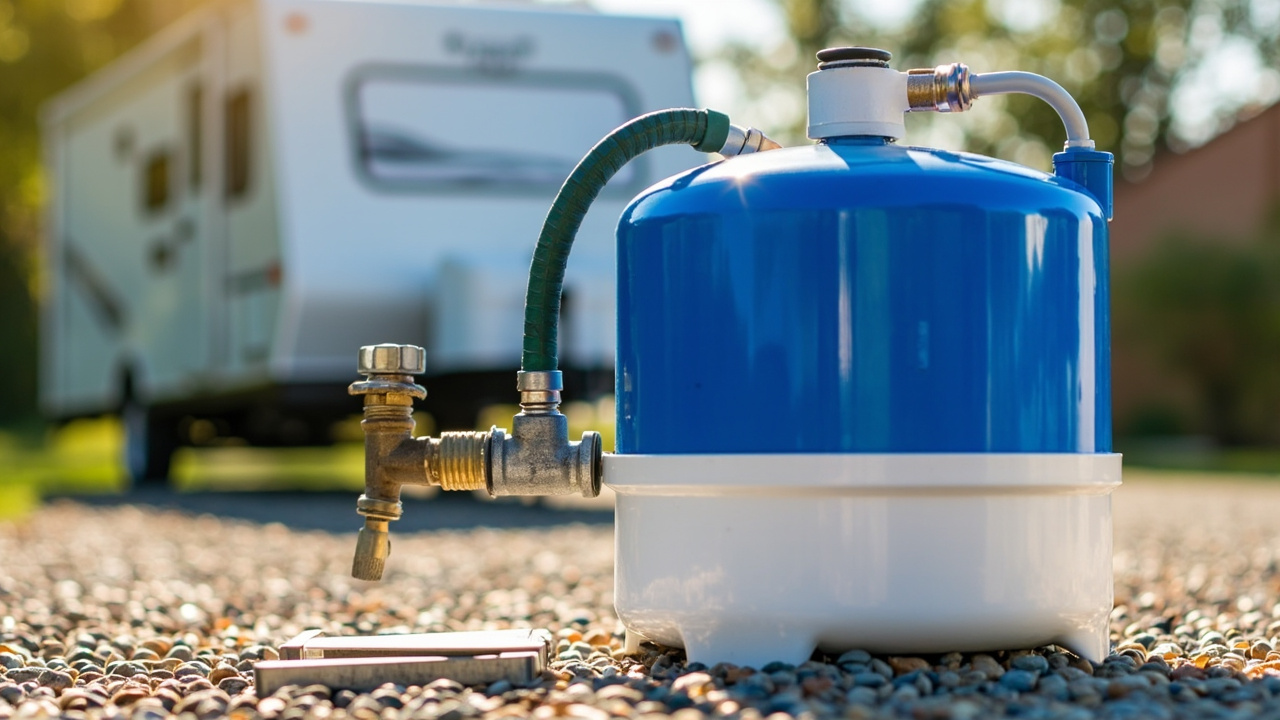
Grain capacity is the single most important number on the box. It tells you how much hardness the resin can capture before it is exhausted and needs regeneration. The math is straightforward:
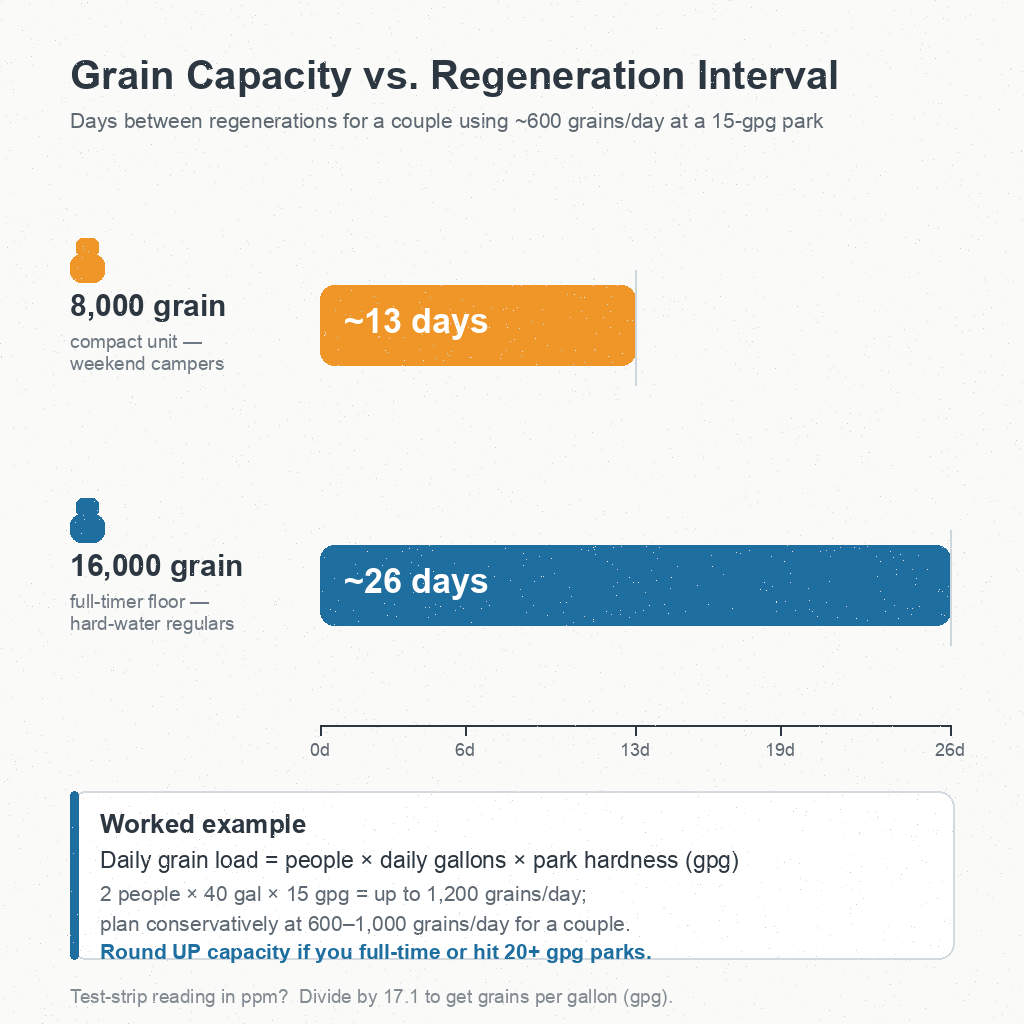
Daily grain load = total daily gallons × park hardness (gpg)
Worked example: two people using about 40 gallons total a day at a 15-gpg park generate about 600 grains per day (40 × 15 = 600). At 600 grains/day:
- A 16,000-grain unit regenerates roughly every 26 days
- An 8,000-grain unit regenerates roughly every 13 days
The conversion that matters for reading your test strip: 1 grain per gallon equals 17.1 mg/L of calcium carbonate USGS Open-File Report 00-186. So if your strip reads in ppm, divide by 17.1 to get gpg.
Do round up grain capacity if you travel full-time or regularly hit very hard parks (20+ gpg). A unit that is too small means you are regenerating every other night, and that gets old fast on a long trip. For weekend campers at moderate hardness (under 12 gpg), an 8,000-grain compact softener is plenty and saves storage space. Full-timers should look at 16,000 grains as the floor.
Weight matters too. A 16,000-grain unit weighs 25–35 lb empty before you add salt and water. Measure your utility bay before you buy — the unit needs to fit alongside the fresh-water hose, power cord, and everything else you carry.
Types: portable-only vs combo filter+softener
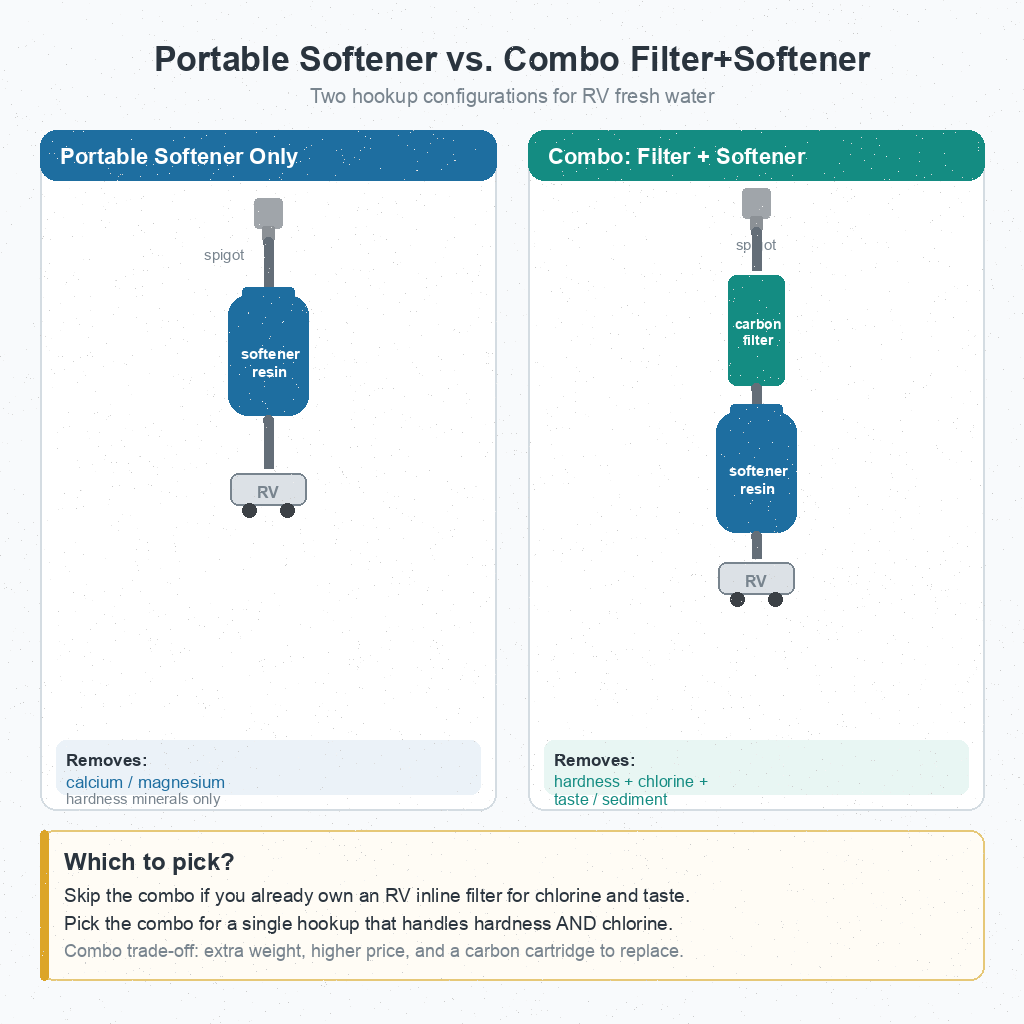
Most RV softeners do one job: ion exchange. You connect them inline with your fresh-water hose and they strip hardness. If you also want chlorine and taste control, you pair the softener with a separate carbon or sediment filter — two units in series on the hose.
A growing category bundles both stages into one product. These combo filter+softener systems add a carbon stage inline with the resin bed, so one hookup handles hardness, chlorine, and sediment. The trade-off is weight, price, and the fact that the carbon cartridge is a consumable you replace on its own schedule.
Whether you need the combo comes down to what you already own:
- Skip the combo if you already own an RV inline filter that handles chlorine and taste. You would be paying for a carbon stage you do not need.
- Pick the combo if you want a single connection that covers both problems and you do not mind the extra weight plus a replacement cartridge to track.
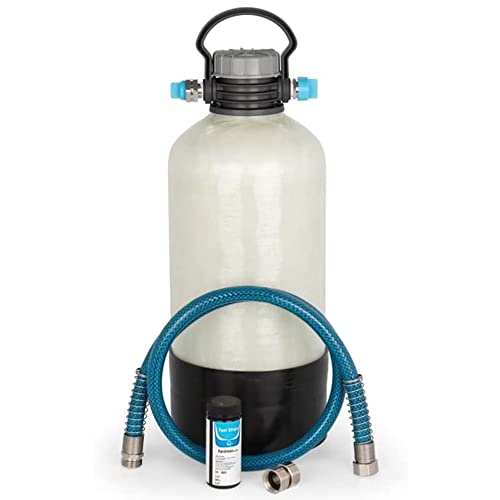
The Camco TastePURE softener kit is a compact option that ships with the unit, hose, and fittings — add a bag of solar salt and you’re covered for day one.
Salt and regeneration
Regeneration is the maintenance cycle that keeps the resin alive. When the resin is saturated with hardness minerals, you flush it with a concentrated salt solution (brine) that pushes the captured calcium and magnesium out and reloads the resin with sodium. Skip it, and the unit stops softening.
The manual procedure for a portable RV unit is simple:
- Bypass the rig — disconnect the softener from your inlet hose or close the bypass valve if your model has one
- Drain — let any remaining pressure and water out
- Add salt — typically 2–4 boxes of plain table salt or one dose of softener pellets, per the manufacturer’s spec
- Slow-rinse — run water through at a trickle per the manual’s instructions to dissolve the salt and push brine through the resin
- Flush to drain — run the output until it reads soft on a test strip, then reconnect to the rig
How often depends on your capacity and park hardness (see the Size math above). The low-tech check: if soap starts feeling thin and not slick, or a test strip off the output reads hard, it is time to regenerate. At very hard parks (20+ gpg), an 8,000-grain unit may need regen every few days; at moderate hardness with a 16,000-grain unit, you might go two to three weeks.
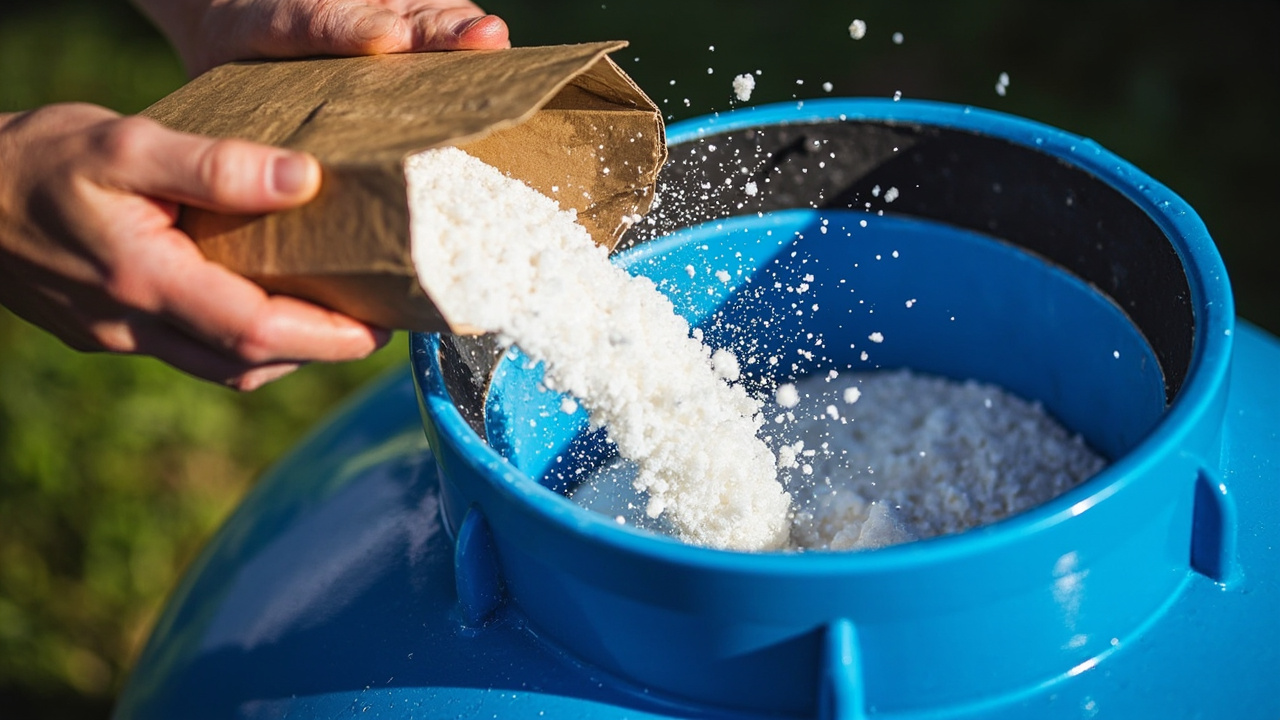
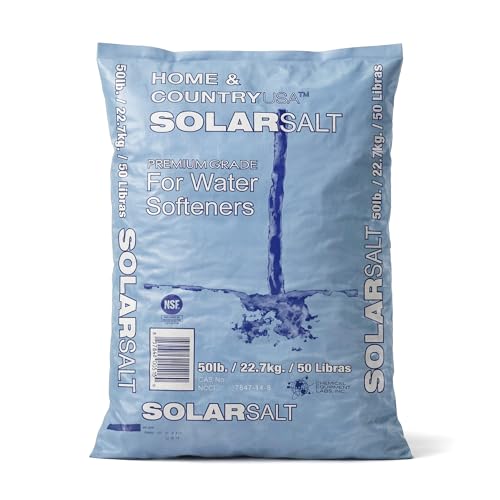
Which salt: plain non-iodized table salt works in most portable RV units and is cheap at any grocery store. Softener pellets and solar salt crystals last longer per regen and bridge less in the tank — for the full comparison, read our salt pellets vs crystals breakdown and the water softener salt overview. For bulk supply on a long trip, a 50-lb bag of solar salt crystals covers months of regenerations. The home-unit procedure is more involved (see how to add salt and regenerate), but RV units are simpler because there is no metered valve to program.
Two timing traps to avoid:
- Don’t skip regeneration mid-trip — you will get hard-water spots on the rig and scale in the water heater, which is exactly what you bought the softener to prevent.
- Don’t over-salt either; excess salt causes bridging in the brine chamber where a hard crust forms above the water and stops the salt from dissolving. Use the manufacturer’s salt dose, not the “more is better” instinct.
What to look for
Once you know your grain target, the feature list narrows fast. Here is what actually matters on a portable unit.
Brass fittings over plastic
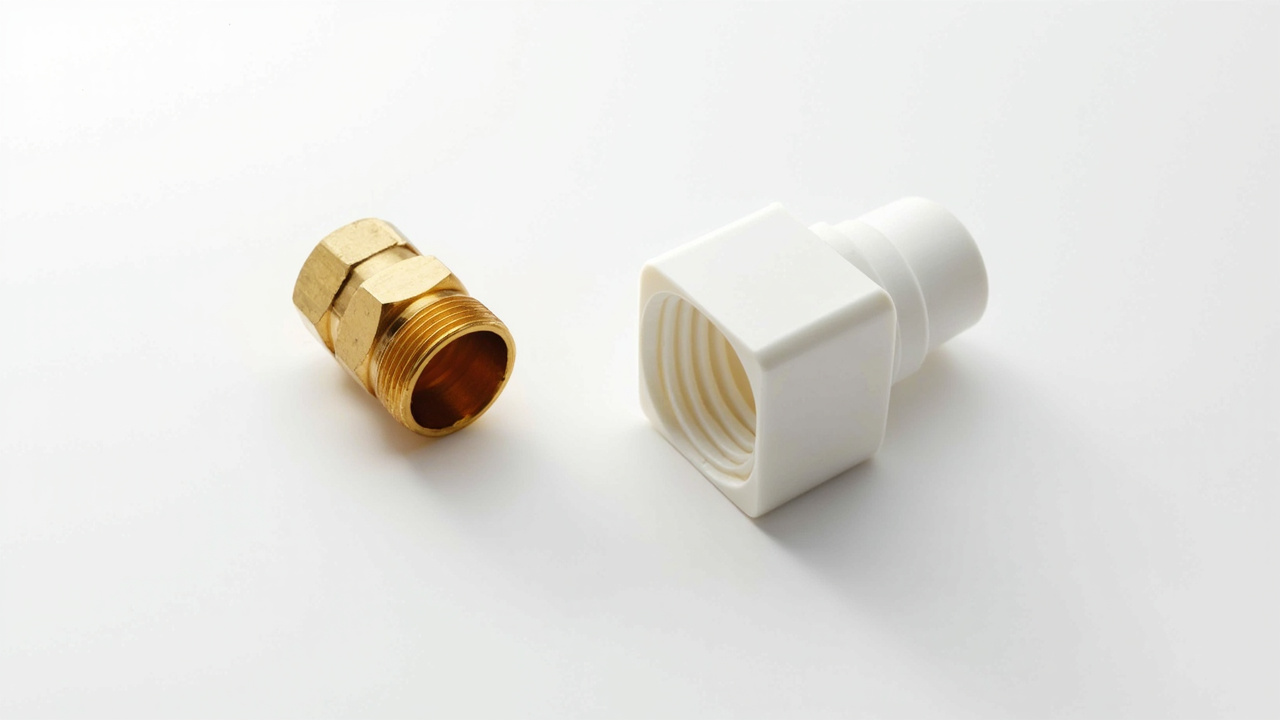
You will connect and disconnect the hose hundreds of times per season. Brass threads survive that cycle; plastic cross-strips and cracks. Look for 3/4-inch brass inlet and outlet fittings — they also preserve shower pressure better than the 1/2-inch fittings on cheaper units.
NSF-certified food-grade resin
RV water touches your drinking fixtures, so the resin material matters. NSF certifies resin for material safety under the standards covering cation-exchange softeners NSF/ANSI Standard 44. Honest caveat: most portable RV units carry NSF-certified resin, not a full NSF/ANSI 44 system certification — the standard is designed for plumbed residential units, and portable units rarely go through the full structural and performance testing. Look for the resin certification and do not assume full-system certification if the box does not say so.
Flow rate
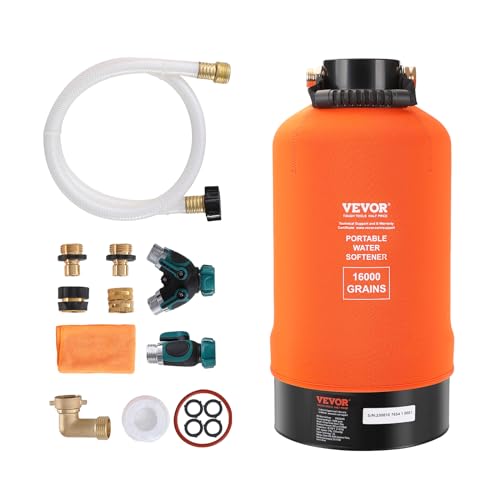
A 3/4-inch inlet and outlet preserves shower pressure. Small 1/2-inch fittings throttle flow, and you will notice it when two fixtures run at once. The VEVOR 16,000-grain unit lists 3/4-inch brass fittings and a 150 psi max pressure rating with food-grade resin (manufacturer-stated specs, not independently lab-tested).
Large mouth opening
A wide fill port means you can dump salt in without a funnel. Sounds minor until you are doing it in a cramped bay at dusk.
Carry handle and footprint
The unit lives in your storage bay between stops. Measure the bay and check that the unit has a handle — you will be lifting 25–35 lb of wet resin.
US-assembly vs import
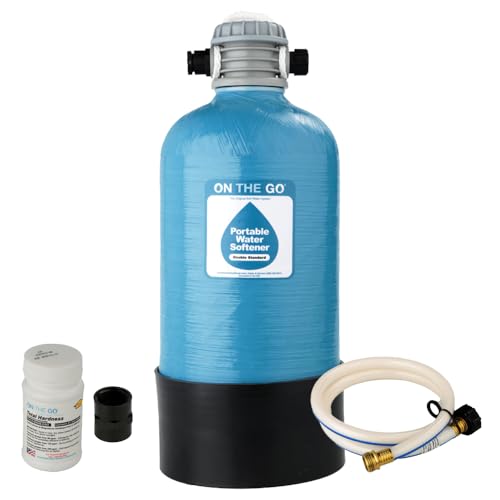
On The Go is the US-assembled brand most full-timers land on — brass fittings, drinking-water-safe construction, and a large opening for easy salt adds. If US assembly does not matter to you, the budget 16,000-grain VEVOR hits the same grain capacity at roughly half the price with a hose included.
Common mistakes
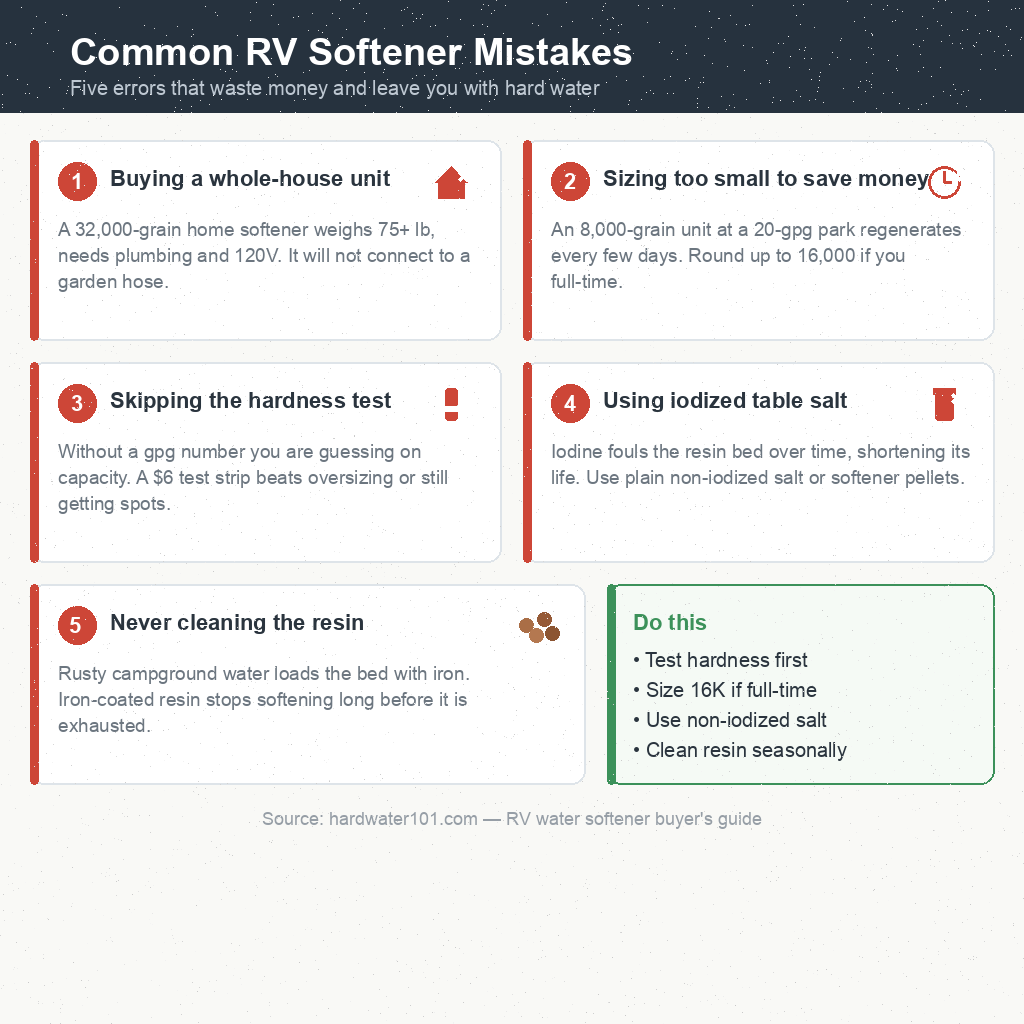
- Buying a whole-house unit for an RV — a 32,000-grain home softener weighs 75+ lb, requires plumbing into the main line, and runs on 120V. It will not fit your rig and it will not connect to a garden hose. RV units are built portable for a reason.
- Sizing too small to save money — an 8,000-grain unit at a 20-gpg park regenerates every few days. You will resent the unit by week two. Round up to 16,000 if you full-time or hit hard parks regularly.
- Skipping the hardness test — without a gpg number you are guessing on capacity. A $6 test strip is cheaper than oversizing by 8,000 grains you never use or undersizing and still getting spots.
- Using iodized table salt — iodine can foul the resin bed over time, shortening its life. Use plain non-iodized salt or softener pellets.
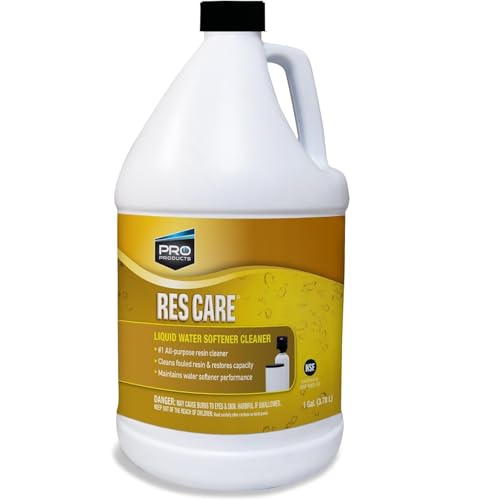
- Never cleaning the resin — rusty campground water loads the bed with iron, and iron-coated resin stops softening long before it is truly exhausted. A resin cleaner like Pro Products Res Care strips the iron and restores capacity between full resin changes.
What to buy
Match the unit to how you travel, not to the biggest number on the box.
Weekend campers (moderate hardness, short trips)
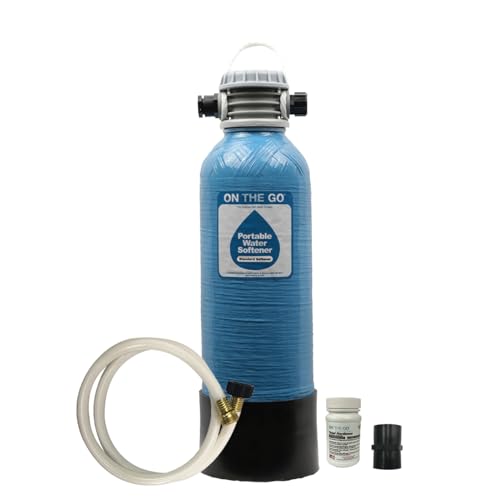
An 8,000-grain compact unit is enough. The On The Go 8,000-grain is lighter and US-assembled.
Full-timers and hard-water regulars
Step up to 16,000 grains. The On The Go double-standard 16,000-grain is the full-timer default for a reason — brass fittings, US assembly, and a large fill port. If budget is the priority, the VEVOR 16,000-grain delivers the same capacity at about half the price with a hose included.
Want one hookup for hardness and chlorine
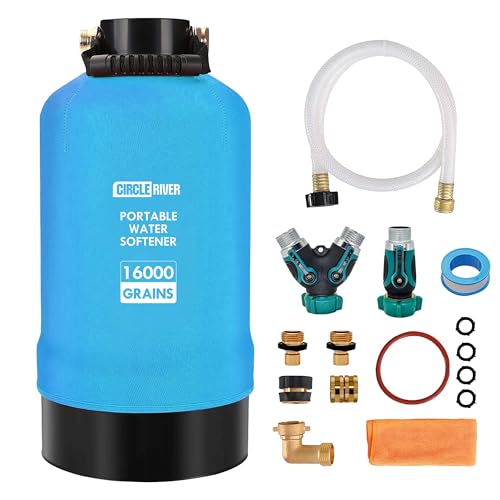
The mid-price CircleRiver 16,000-grain with hose bridges the gap between the budget VEVOR and the US-assembled On The Go.
Salt supply
Grab a 50-lb bag of solar salt for the season, or pick up non-iodized table salt at any grocery store when you need a quick regen on the road.
Safety and limits
RV softeners are about as DIY-friendly as water treatment gets — you connect a hose, add salt, and run a manual cycle. You are not cutting into plumbing or wiring a control head. A few things to keep straight:
- Relieve hose pressure before disconnecting the unit to avoid a surprise soak
- Don’t overtighten plastic fittings if your unit has them; brass takes torque, plastic cracks
- Drain the unit before storing it in freezing weather — water left inside will split the tank
- Softened water is higher in sodium than the input; if someone in your rig is on a strict sodium-restricted diet, ask their clinician about drinking softened water (we don’t give medical advice)
- Keep salt and resin cleaner away from kids and pets
You rarely need a plumber for an RV softener. The one scenario worth flagging: if your rig’s internal plumbing has scale damage or a flow problem unrelated to the portable unit, that is a separate issue and may need a mobile RV tech — but it is not something the softener caused or can fix.
Related
- How to choose a water softener for your home
- How water softeners work (ion exchange)
- Water softener salt overview
- Salt pellets vs crystals
- How to add salt and regenerate
- Understanding water hardness (gpg and ppm)
- Hardness test kits
Key takeaways
- RV softeners are portable, manually-regenerated ion-exchange units — not plumbed-in home systems.
- Test campground hardness before you buy; a $6 test strip prevents every sizing mistake that follows.
- Match grain capacity to your rig and trip style — 16,000 grains for full-timers, 8,000 for weekenders.
- Brass fittings and NSF-certified resin matter more than brand prestige.
- Regenerate on schedule — a missed cycle means spots and heater scale mid-trip.
- Use non-iodized salt or softener pellets; clean the resin if you hit iron-rich parks.
- Combo filter+softener bundles trade price for one-hookup convenience.