Quick answer
The Fleck 5600SXT has two programming levels: a User menu for time of day, hardness (gpg), and regeneration time, and a Master menu for capacity, salt dosage, and day override. Most errors come from a wrong hardness value or day override set too high. Press and hold Down and Extra Cycle to enter Master mode. Always defer to the printed service manual for the exact sequence on your firmware revision.
What this valve is
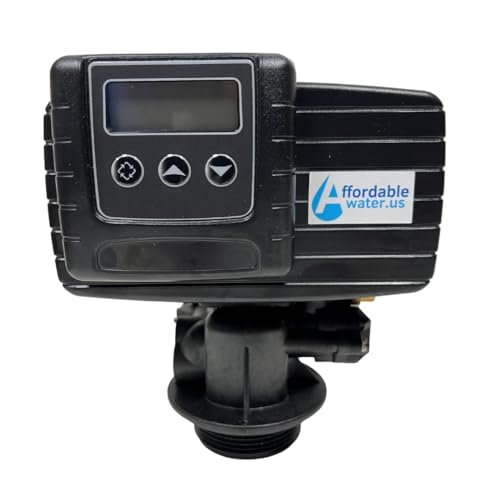
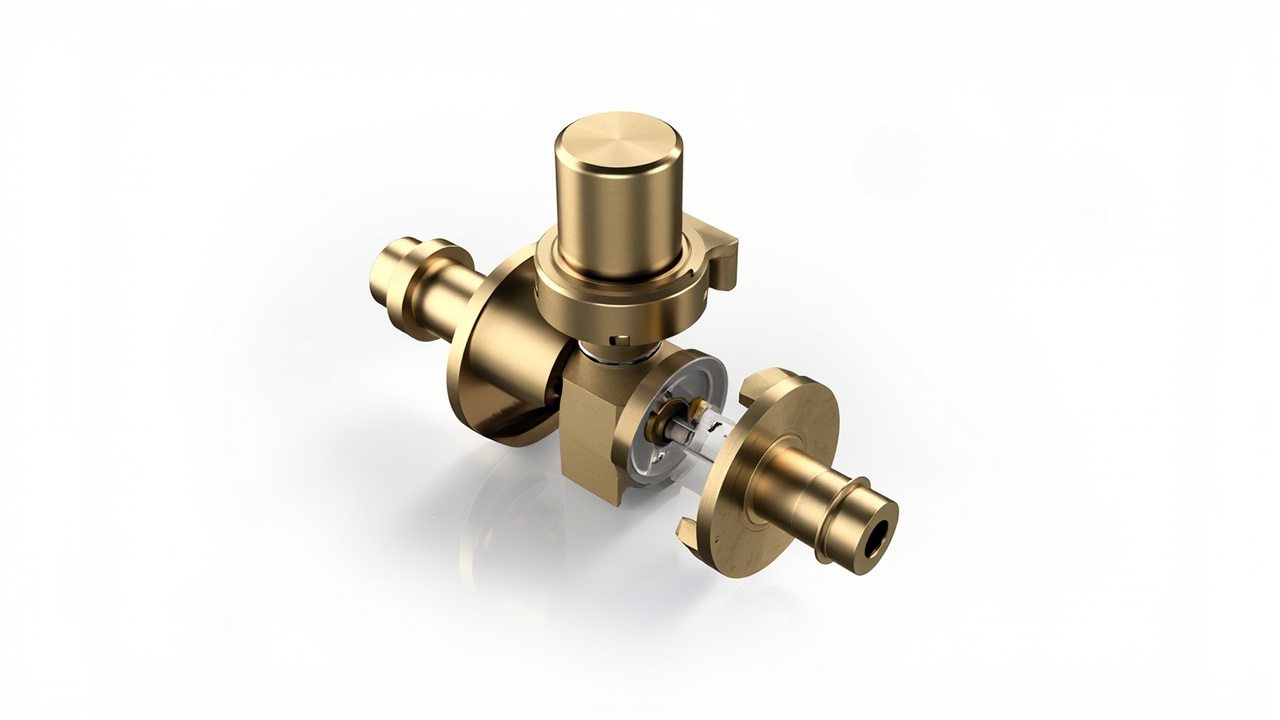
The Fleck 5600SXT is the metered, on-demand digital control valve used by dozens of assemblers — AFWFilters, DuraWater, Affordablewater.us, Ozmosis, and Pentair itself all build complete softeners around it. Pentair owns the Fleck brand. The “SXT” denotes the microprocessor timer with a capacitor backup (roughly 48 hours) and a backlit LCD.
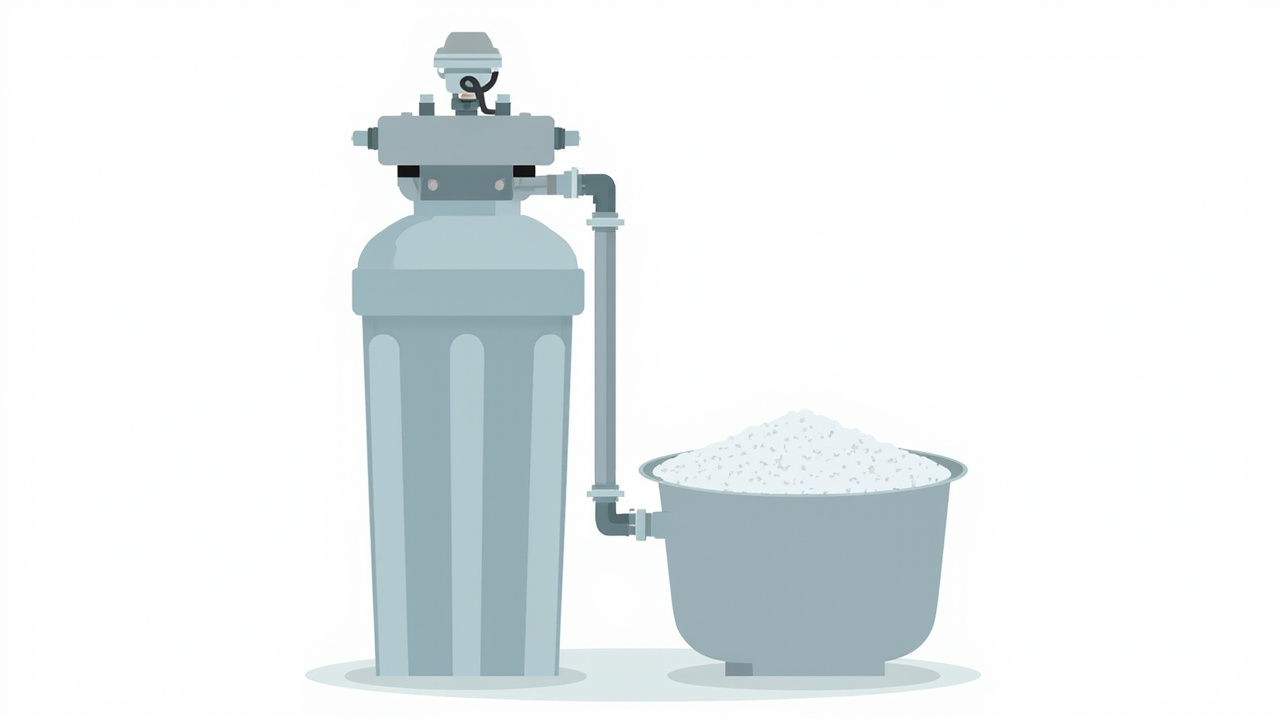
It is not a softener on its own. The valve controls a mineral tank that you supply separately. Programming this valve correctly is what makes any paired resin tank actually soften water. If the valve settings are wrong, you get hard water regardless of how much resin or salt you have.
This page covers the 5600SXT only. If you have a 5600 (non-SXT, mechanical timer), a 2510, or a 9100, the programming sequence differs — check your model label before following these steps.
Programming the valve tells the resin bed when to regenerate, how much hardness to expect, and how often to flush. For the ion-exchange cycle the valve times, see how water softeners work.
Settings that matter
The 5600SXT has roughly 10 master-programming parameters. Only 5 typically need adjustment after installation.
DF (Display Format) — gallons or liters. Set once; it affects the capacity (K) units that follow.
VT (Valve Type) — factory-set to dF1b (downflow, single tank with brine refill) for almost all softener applications. Skip this unless you are programming a filter or upflow unit.
DO (Day Override) — the maximum number of days between regenerations even if the metered capacity is unused. Two to 14 days is typical for residential softeners. Set it too high and resin can foul between regenerations because it sits idle in a used state.
RT (Regeneration Time) — the time of day the regen cycle starts (default 2:00 AM). Avoid 6 to 10 AM and 6 to 10 PM, when household water demand peaks. During the 60 to 90 minute regen cycle, the softener sends raw water to the house.
H (Hardness) — your raw water hardness in grains per gallon (gpg). This is the single most-misset value on the 5600SXT. Users enter ppm instead of gpg, or they enter a softened-water reading instead of the raw feed water. Test your raw water hardness before programming — the entire metered system depends on this number being correct.
Two values live in User mode rather than Master mode: Time of day (if wrong, the regen timer fires at the wrong hour) and Days to regen (a countdown based on your DO setting). You don’t need Master mode to fix either of these.
For gpg versus ppm conversion and how to read a test strip, see water hardness basics.
Step-by-step programming
Defer to the printed service manual for your specific firmware revision. The sequence below covers the most common 5600SXT firmware and is drawn from the Pentair service manual hosted on ManualsLib (manual 1222384).
Set time of day
- Press Set/Enter. The display flashes the current hour.
- Use Up or Down to adjust.
- Press Set/Enter to lock the hour, then repeat for minutes.
- Hold Set/Enter for 3 seconds to exit. The display should show a steady time, not flashing.
This step is in User mode — no need to enter Master mode just to fix the clock.
Enter Master Programming Mode
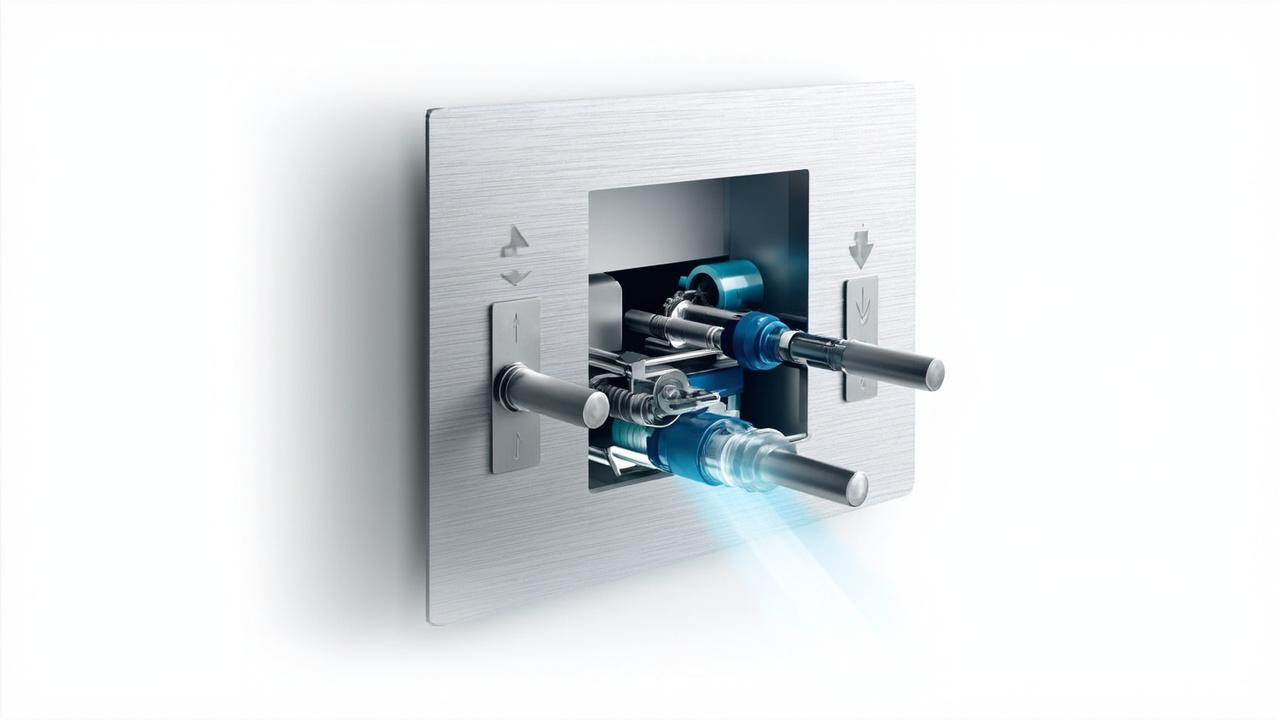
- Press and hold Down + Extra Cycle for roughly 5 seconds until
dF1b(or the current valve type) appears. - You are now in Master mode. Each subsequent press of Set/Enter advances to the next parameter in order: DF, then VT, then DO, then RT, then K, then H, then RF, then BF, then FM, then CT.
If you overshoot, cycle through — there is no “back” button. The parameters loop after CT returns to the time-of-day display.
Set hardness (the value people get wrong)
- Navigate to H (Hardness) by pressing Set/Enter until the display shows
H. - Press Set/Enter again. The digit blinks.
- Use Up/Down to enter your raw-water hardness in gpg — not ppm, not your softened-water reading.
- Conversion: ppm divided by 17.1 equals gpg. If your test reports 180 ppm, enter 11 (180 / 17.1 = 10.53, round up).
- Press Set/Enter to lock.
A wrong hardness value cascades into every other calculation. The meter uses H to estimate how many gallons of soft water remain before regeneration. If H is ten times too high (ppm entered as gpg), the valve regenerates constantly. If H is too low, you get hard water breakthrough before the meter catches up.

Set capacity (K) and day override (DO)
K (capacity) is usually pre-set at the factory to match your mineral tank size — for example, 32,000 grain for a 1 cubic foot tank. Change K only if you replaced the resin or you have iron in the feed water. Iron fouls resin faster, so subtract roughly 20% from rated capacity for every 1 ppm of iron.
DO (Day Override) — residential default is 4 to 7 days. Lower it if you live in a warm climate or have high iron in feed water. Higher values suit low-use households, but anything above 14 risks resin fouling between cycles.
Set regeneration time
Default is 2:00 AM, which works for most households. Skip windows when the house draws water: showers 6 to 9 AM, dinner prep 5 to 8 PM. A regeneration cycle takes 60 to 90 minutes, and during that window the softener bypasses raw water to the house.
Save and exit
Press Extra Cycle repeatedly until the display returns to steady time-of-day mode. Force a manual regeneration (hold Extra Cycle for 3 seconds) to confirm the valve cycles through Backwash, Brine and Rinse, Fast Rinse, and Refill without error codes.
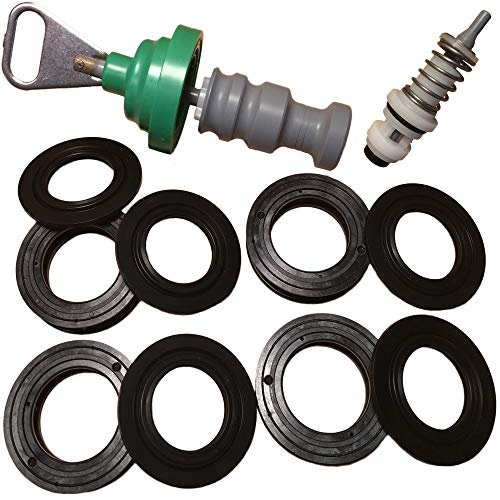
If the valve is locked up past programming — it won’t cycle or it’s stuck mid-position — a genuine Fleck rebuild kit (piston 60102-71 plus seal/spacer 60125) runs about $90 versus a $325 full valve replacement.
Manual and override functions
Manual regeneration (when to push the button)
Hold Extra Cycle for 3 seconds. The valve advances immediately through the full regen cycle.
Use it after a salt refill, after a programming change, after a long vacation, or when hardness breaks through before the metered cycle ends. Manual regen doesn’t reset the meter — it just runs the cycle now.
Service mode versus bypass
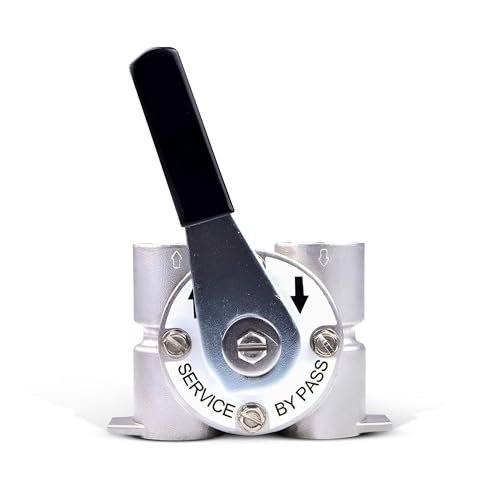
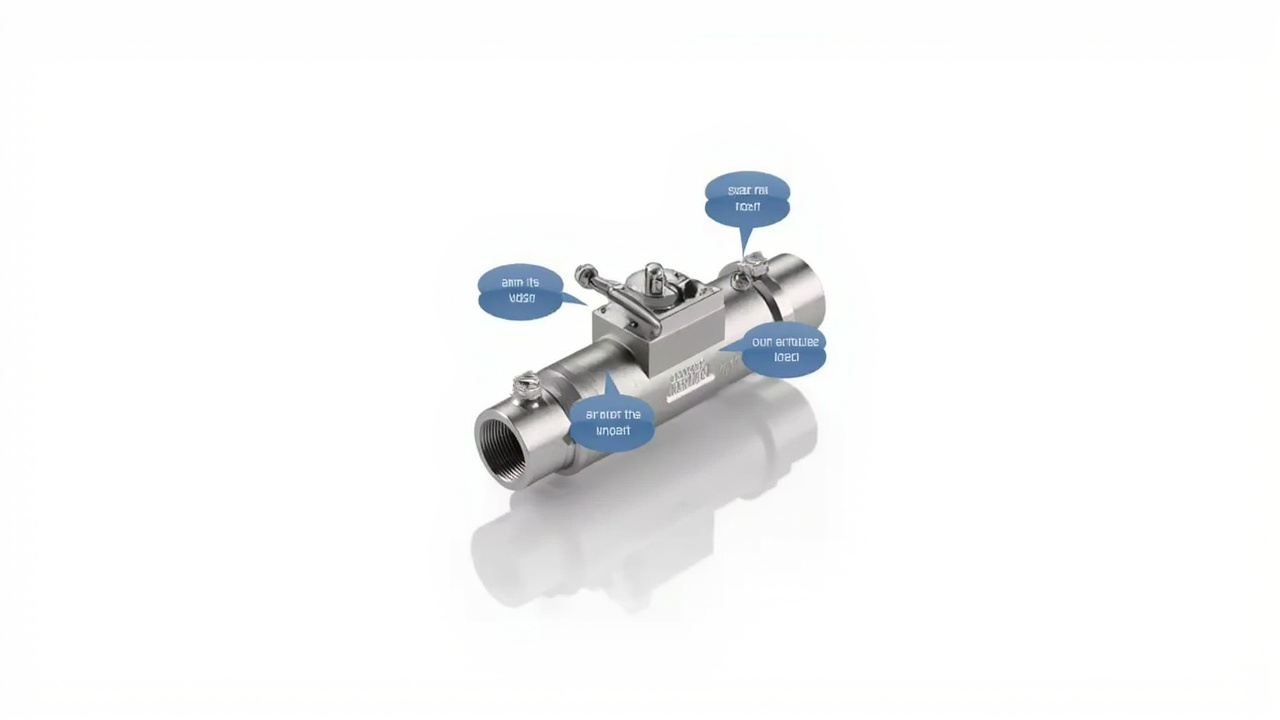
During regeneration, the valve internally routes raw water to the house. You get no soft water during the 60 to 90 minute cycle. If you have an external bypass valve — such as the 60040SS stainless steel bypass (3/4”) — opening it sends raw water straight through the line and stops the regen if you cut power mid-cycle.
Skip or do not
Skip reprogramming if the only symptom is hard water after vacation. Hold Extra Cycle for a manual regen first. If the water softens after that, the meter and settings are fine — you just used capacity faster than expected.
Don’t change dF1b (valve type) unless you’re converting the unit between softener and filter use. Most residential softeners use dF1b permanently. Flashing a filter-type firmware reverses cycle positions and the unit won’t regenerate correctly.
Common error codes
The 5600SXT display shows a single Err XX code. Here is what each means and where to look first.
| Code | Meaning | First check | Then check |
|---|---|---|---|
Err 1 | Motor stalled | Piston stuck — rebuild kit needed | Motor gear stripped |
Err 2 | No water sensed during brine draw | Brine line kinked or empty salt tank | Injector screen clogged |
Err 3 | Meter not registering flow | Turbine cable disconnected | Turbine impeller jammed (sediment) |
Err 100 | Power loss or firmware reset | Capacitor backup depleted (outage over 48 hours) | Re-enter time of day |

Hardness returns early (no error code)
The most common cause is DO set too high — regeneration is delayed past resin exhaustion. Drop DO by 2 days and monitor.
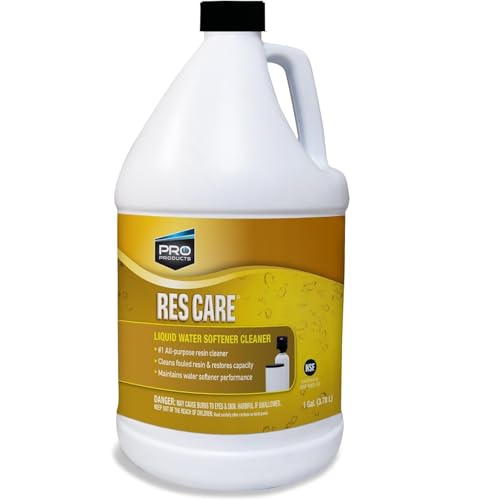
Alternatively, H is set too low — the meter thinks capacity remains when the resin is saturated. Re-test raw water and update H. A resin cleaner can restore a fouled bed if the issue is iron buildup, not just a settings error.
Salt tank not filling
BF (brine fill) minutes may be too low — the salt tank never refills enough. The default is calculated from capacity and salt dosage, but if someone altered the master settings, BF may be off. Check the brine tank troubleshooting guide for the full diagnostic.
The brine line flow controller can also clog — a small screen inside the valve collects sediment. Clean or replace it (a $0.50 part that causes a $300 service call if missed).
For the full diagnostic flowchart when programming is correct but the unit still misbehaves, see water softener not regenerating.
Common mistakes
-
Entering ppm instead of gpg. Most municipal reports list hardness as mg/L (ppm). Divide by 17.1. A 180 ppm supply entered as 180 gpg causes the valve to regenerate every few hours — burning through salt and wearing the valve.
-
Setting DO = 1 to “be safe.” Daily regeneration wastes salt, wears the piston and seals, and shortens resin life. The residential sweet spot is 4 to 7 days. If you want better salt pellets that resist bridging, use them — but fix the settings first.
-
Ignoring a flashing Err 1. The motor has stalled, usually from a worn piston. Continuing to reset causes the valve to stall mid-cycle and dump brine into the service line. Install a piston and seal/spacer kit before the symptom worsens.
-
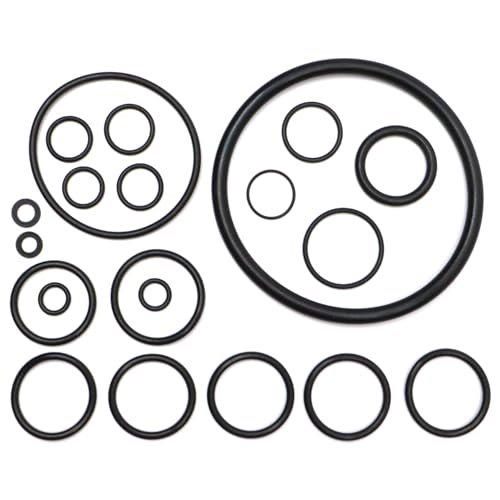
Programming after a power outage without checking time-of-day. The capacitor backup holds roughly 48 hours. After a longer outage, the clock resets to 12:00 — regeneration may now run during peak demand. Always check the display first after any outage. If the valve has developed a slow drip at the bypass junction during the outage, an o-ring kit for the Fleck 5600SXT at $22 fixes it before it becomes a flood.
-
Mixing softener and filter valve firmware. If the valve type is changed from
dF1bto a filter setting, cycle positions reverse and the unit won’t regenerate. This requires a master reset and consultation with the service manual.
What to buy only if you have diagnosed first
Do not buy parts before you know what is wrong. The sections below assume you have run through programming and error-code checks above and have identified the actual problem.
If the valve is repairable (most cases)
A genuine Fleck rebuild kit (piston 60102-71 plus seal/spacer 60125 plus brine valve 60032) solves roughly 80% of Err 1 and “valve stuck” cases. It costs about $90 and takes 30 to 45 minutes with common hand tools.
If the only symptom is a small drip at the bypass or piston interface, an o-ring rebuild kit at $22 is the cheaper fix. Don’t over-tighten plastic housings — you’ll crack them.
If the valve must be replaced
A genuine Fleck 5600SXT 3/4-inch control valve handles up to 20 GPM service flow and includes the LCD timer. It costs $325.
If the bypass is leaking or missing
A 60040SS stainless steel bypass valve replaces the older brass 60040 and isolates the softener for service without shutting off house water. Three-quarter inch, $78.
If salt or resin is the actual problem (not the valve)
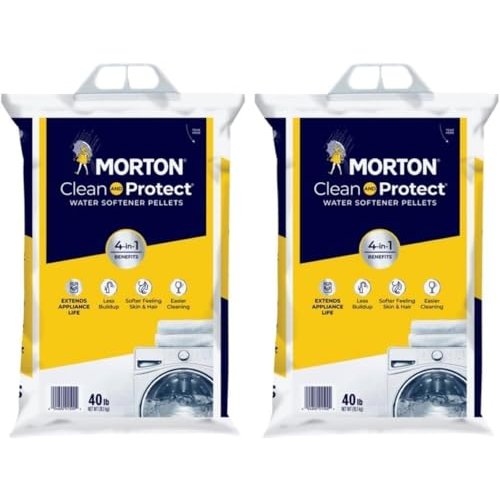
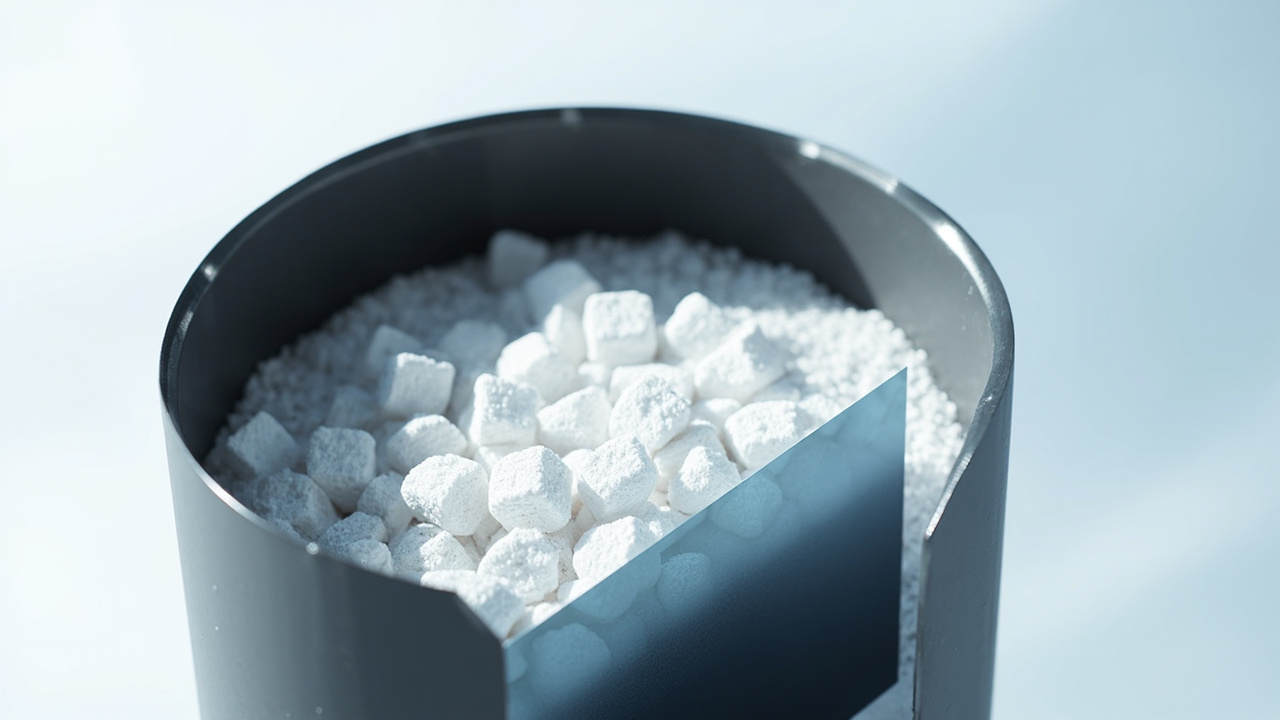
Morton Clean and Protect salt pellets ($39 for 80 lb) reduce iron buildup in the resin. For the pellets-versus-crystals decision, see the salt overview.
If hardness returns despite correct programming, a resin cleaner can dissolve iron and hardness deposits that a regeneration cycle alone cannot flush.
When to call a pro
Keep DIY if: testing hardness, setting the control head, adding salt, breaking a salt bridge, or replacing a piston and seal kit with common hand tools.
Call a licensed plumber if:
- You are cutting into the main supply line or relocating the unit
- There is an active leak at fittings or the drain line
- The control board has electrical faults beyond a simple reset
- You suspect well pump or pressure tank issues
We don’t rank local installers or match you with service companies. If you need one, ask whether they’re certified under NSF/ANSI 44 for cation exchange softener work, or check the WQA certified professional directory.
Related
- How to choose a water softener — sizing context if you’re replacing a whole unit
- How water softeners work — what the valve actually controls during the ion-exchange cycle
- Water softener not regenerating — full diagnostic tree when programming is correct but the unit still misbehaves
Key takeaways
- Two programming levels: User (time, hardness, regen time) and Master (valve type, capacity, day override, salt dosage).
- The single most-misset value is hardness in gpg — divide ppm by 17.1.
- Day override sweet spot is 4 to 7 days for residential; 1 wastes salt, 14 fouls resin.
- Regenerate at 2:00 AM default; avoid 6 to 10 AM and PM peaks.
- Err 1 means piston stall — install a rebuild kit before replacing the valve.
- Capacitor backup holds about 48 hours; after a longer outage, recheck time-of-day.
- If the display works but water stays hard, the issue is usually settings or salt — not the valve hardware.