If the brine tank is overflowing onto the floor, dry as a bone, or packed with a hard crust above an air gap, you don’t need a new softener on day one—you need the right symptom matched to the right fix. Skipping straight to a replacement is how people spend $800 on a unit when a $30 float or a broom handle would have solved it.
Quick answer
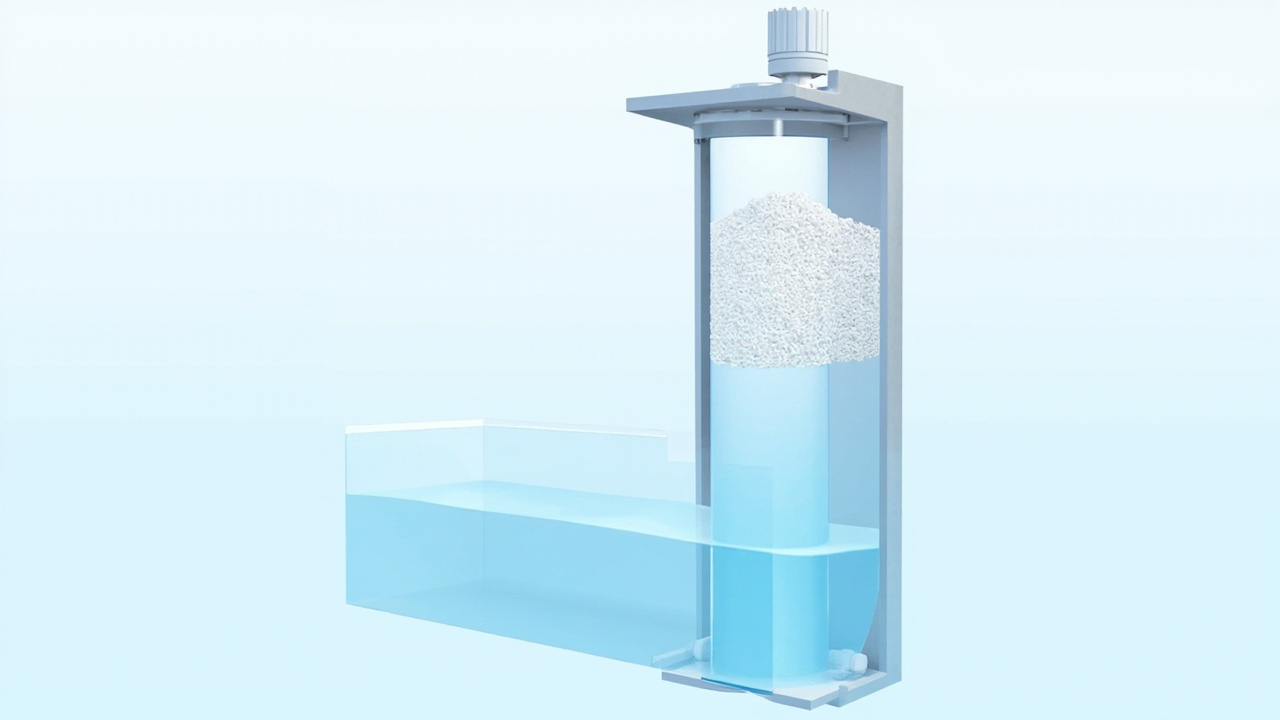
A healthy brine tank holds salt above a shallow pool of brine that refills only during regeneration. Five failures cause most problems: overflow (float stuck or injector clogged), salt bridge (hard crust with a hollow underneath), salt mushing (wet sludge at the bottom), low brine (insufficient water draw), and dry tank (no water entering). Most are fixable without a plumber—start with salt level and the float assembly before replacing anything.
Do this first
Stop-loss first. Don’t dump more salt, pour in cleaners, or shop a new unit until you finish this block.
Confirm what is wrong vs. what is normal
A normal brine tank has salt above the water line, with 6–12 inches of brine at the bottom between regenerations. The tank refills with a measured amount of water only during the brine fill phase of regeneration—never continuously. If your tank is bone-dry, overflowing, or the salt has turned to sludge, something has failed upstream or inside the tank.
For background on where the brine tank fits in the regeneration cycle, see how water softeners work.
Safe first checks (in order)
- Check the bypass valve — if the softener is in bypass, no water flows through the system and regeneration never triggers.
- Confirm power — a dead control head means no regeneration, so the brine tank stays in whatever state it was last left in (dry or full).
- Look at the salt level — if the tank is empty of salt, water fills but nothing dissolves. If salt is packed hard with a hollow underneath, that’s a bridge.
- Listen during a manual regeneration — does water fill the tank? Does the pump cycle complete? A silent fill cycle points to a blocked injector or failed float.
Skip / Don’t
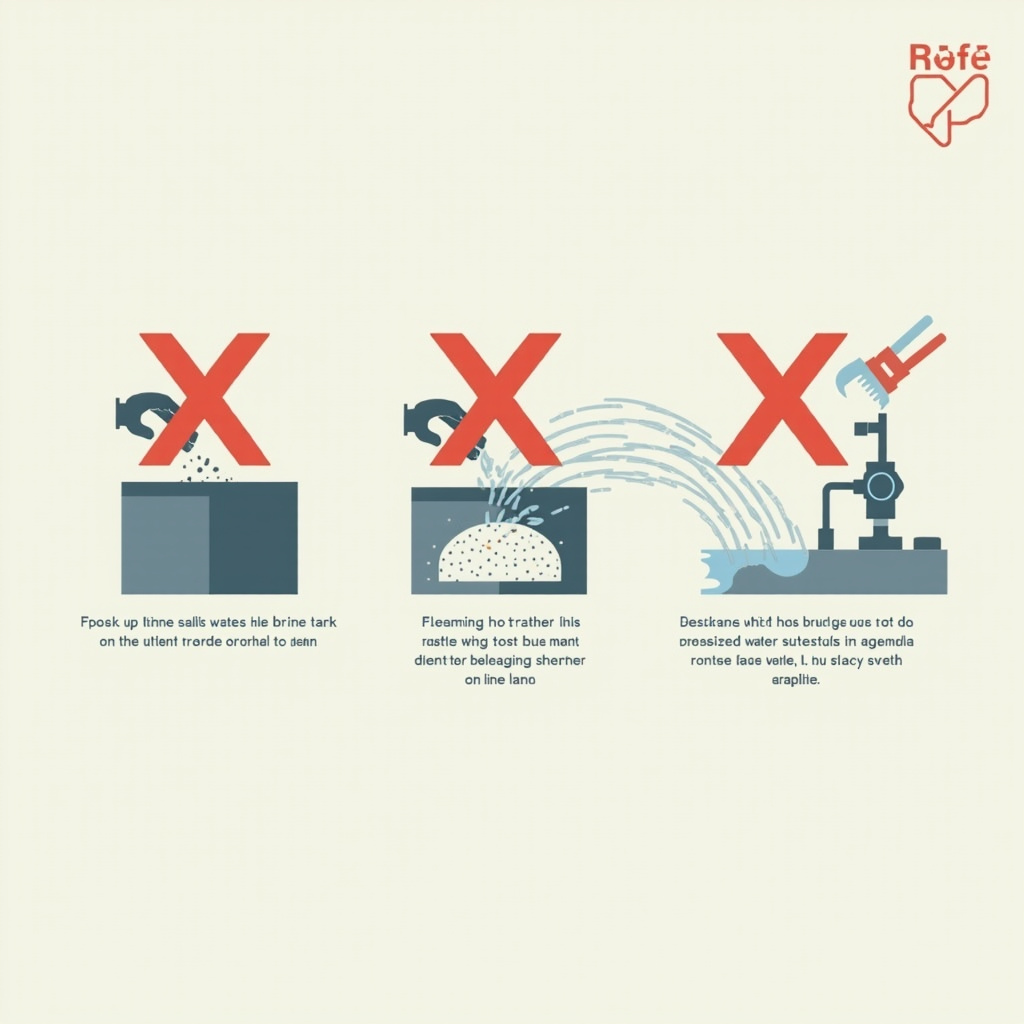
- Skip dumping more salt into an overflowing tank. It does not fix a stuck float or clogged injector and makes cleanup worse.
- Skip adding hot water to dissolve a salt bridge. Use lukewarm water or carefully break the bridge with a broom handle; hot water can damage the float assembly.
- Don’t disassemble the valve head without shutting off water and power first. The brine line is under system pressure.
Decision tree: brine tank symptoms
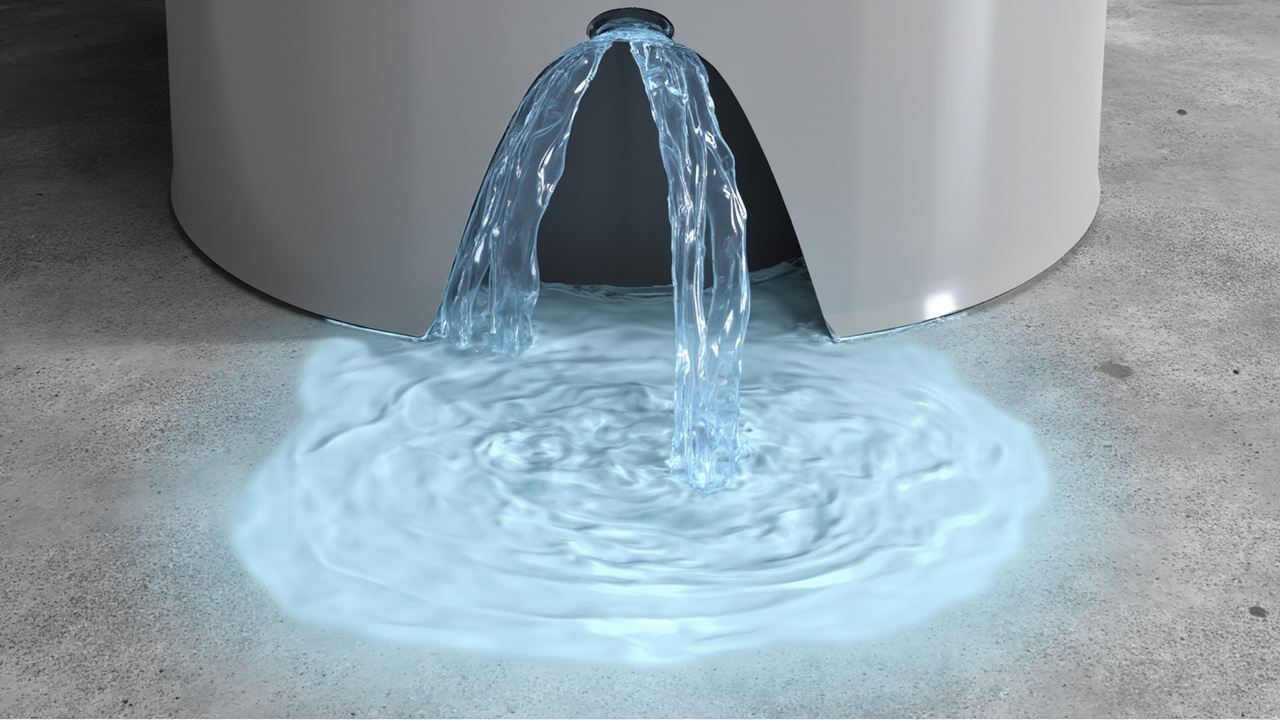
Branch 1 — Tank overflows (keeps filling past the normal level)
Root cause: The brine float safety shut-off is stuck open, the float arm is misadjusted, or the injector/brine line is partially blocked so the control head keeps trying to fill.
Check sequence:
- Verify the float moves freely—lift it manually; water should stop flowing immediately.
- Inspect the float for salt buildup or physical damage; a cracked float sinks and never triggers shut-off.
- Check the injector screen and brine line for debris—if the head cannot sense brine draw, it may overfill.
Fix path: Clean or replace the float assembly. Clear the injector screen. If overflow continues after a new float, the control head’s fill timer may be faulty.
Branch 2 — Salt bridge (hard crust with a hollow gap underneath)
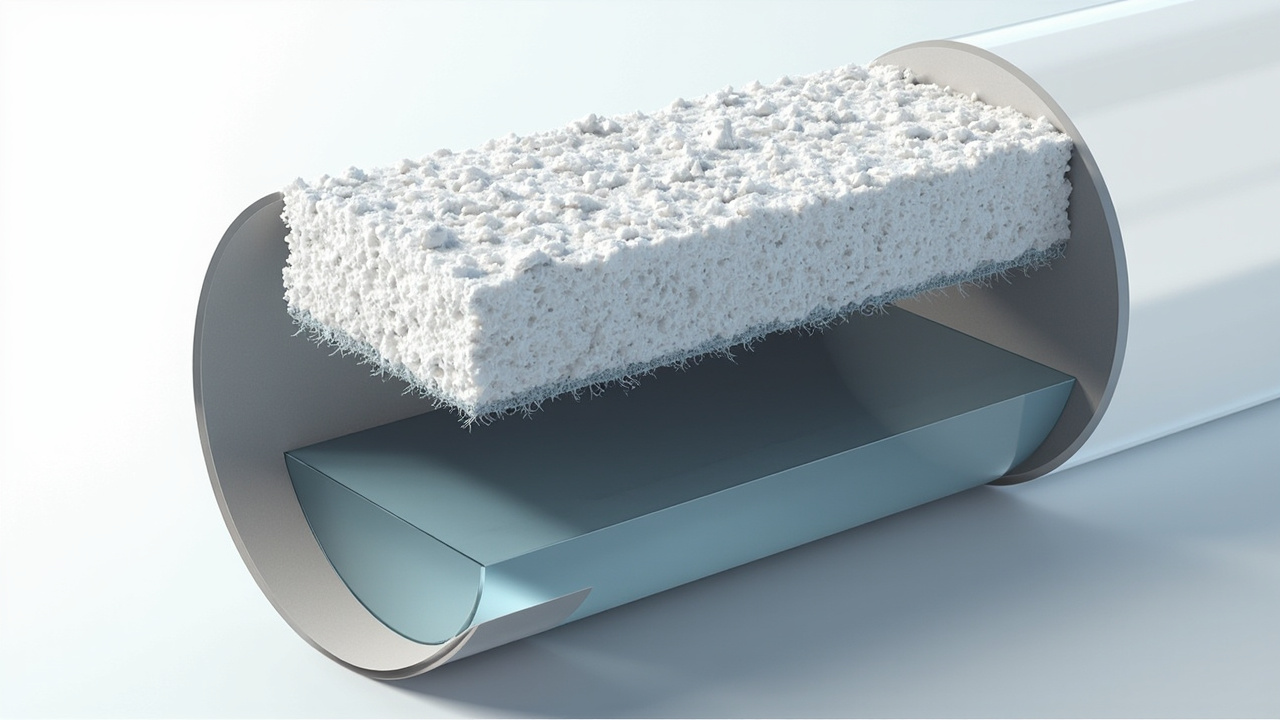
Root cause: Humidity cycles and partial dissolution create a hard shelf of fused salt above an air gap. Water sits below but cannot contact enough salt to make saturated brine.
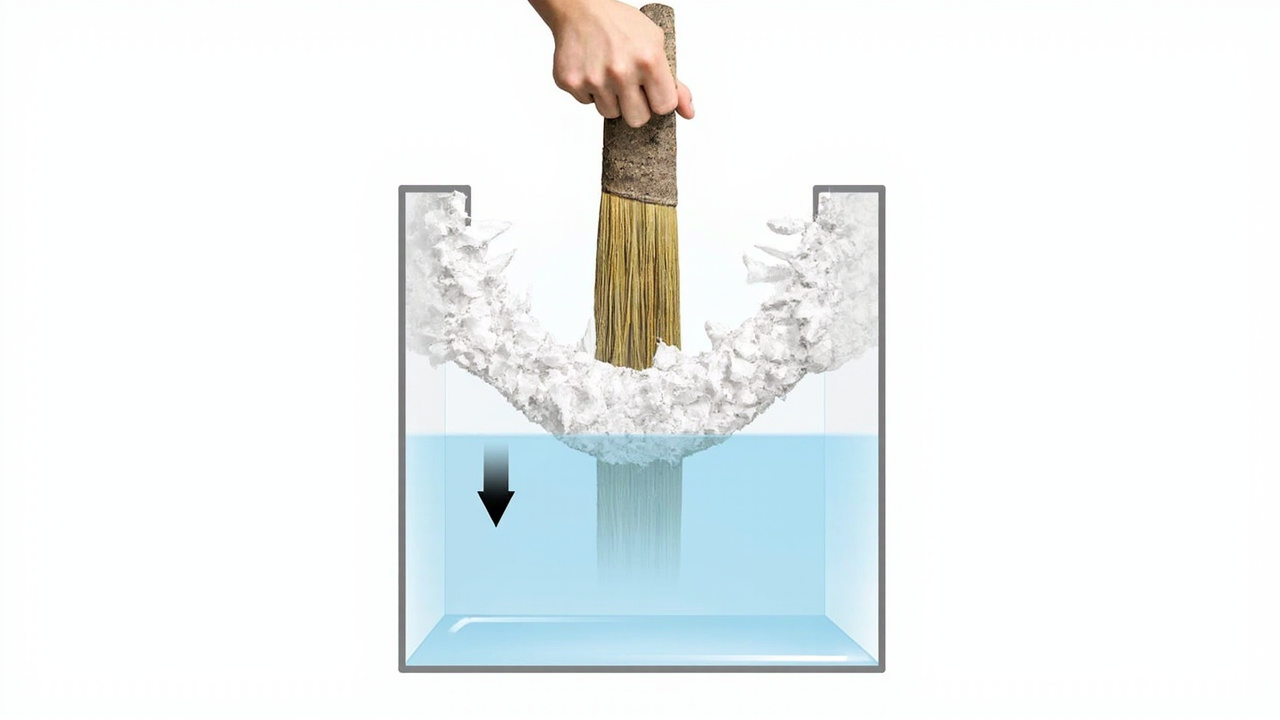
How to tell: Tap the side of the tank—a hollow “boom” sound means air underneath. Push a broom handle straight down; if it breaks through into open space, it’s a bridge.
Fix path: Break the bridge carefully with a broom handle or warm (not hot) water. Remove the loose chunks. Top off with fresh salt pellets.
Branch 3 — Salt mushing (wet sludge at the bottom)
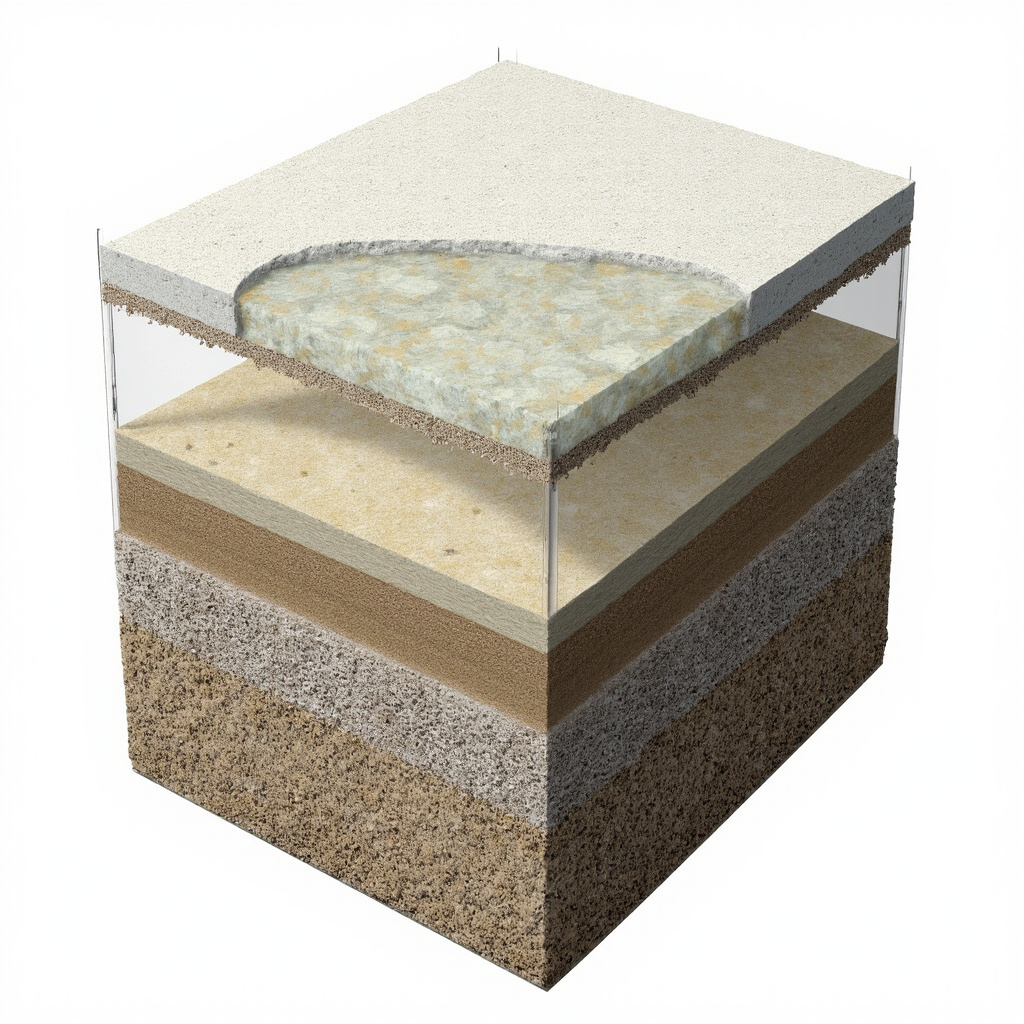
Root cause: Low-quality salt or the wrong salt type (crystals in a pellet tank, or pellets that broke down) forms a saturated mush that blocks the grid plate and prevents brine draw. The tank looks full of salt but the system acts like it has none.
How to tell: Scoop the bottom—it feels like wet sand, not individual pellets. Water pools on top instead of draining through.
Fix path: Empty the tank completely. Clean the interior. Check that the grid plate is seated correctly. Refill with the correct salt type per your manual (usually high-purity pellets).
Branch 4 — Low brine (not enough water in the tank)
Root cause: The injector is partially clogged, the brine line has a kink or air leak, or the flow restrictor is misadjusted. The tank gets some water but not enough for a full regeneration cycle.
Check sequence:
- Run a manual regeneration and watch the brine draw phase—does water flow steadily or trickle?
- Inspect the injector nozzle and screen for mineral buildup.
- Check the brine line for kinks, cracks, or loose fittings.
Fix path: Clean the injector with a small wire or pin. Replace the brine line if cracked. Verify the flow restrictor matches the manufacturer’s spec.
Branch 5 — No water in tank (dry brine tank)
Root cause: The brine valve/float is stuck closed, the water supply to the softener is restricted, or the control head is not initiating the fill phase at all.
Check sequence:
- Confirm the main water supply is on and bypass is off.
- Manually trigger a regeneration—if the fill phase produces zero water, the brine valve is likely stuck.
- Check the float for mechanical binding or salt crystal jamming.
Fix path: Free the float mechanism. If the brine valve is integrated into the control head and won’t open, the head may need service or replacement. See water softener not regenerating for the full control-head decision tree.
If-then cheatsheet
| Symptom | First action | If that fails |
|---|---|---|
| Overflow | Check/clean float | Replace float assembly |
| Salt bridge | Break with broom handle | Empty tank, refill fresh |
| Salt mushing | Empty + clean tank | Check grid plate, switch salt type |
| Low brine | Clean injector screen | Replace brine line |
| Dry tank | Free stuck float | Call pro for control head |
How to break a salt bridge safely
Once you confirm a hollow gap under the salt, follow this procedure:
- Turn off water supply to the softener or put it in bypass.
- Tap the tank wall at several heights—a hollow sound above a solid band confirms a bridge.
- Insert a broom handle straight down through the salt. Do not use sharp metal tools—they can puncture the tank.
- Push through the crust gently. You’ll feel resistance then a sudden drop when the gap is breached.
- Scoop out loose chunks of broken bridge from the top. Do not push them deeper.
- Add warm (not hot) water sparingly if the bridge is stubborn—about a gallon, let it sit 15 minutes.
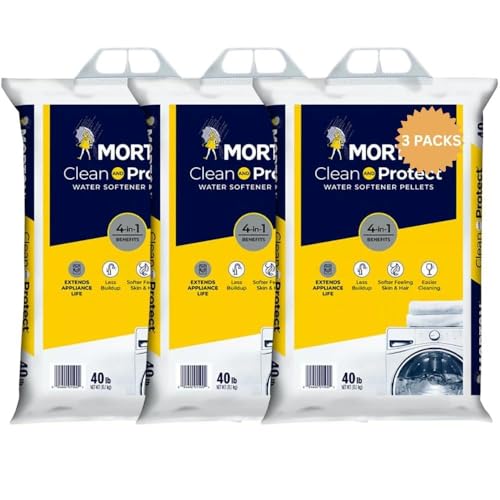
- Top off with fresh pellets to the recommended fill line (usually 2/3 full). 40 lb water softener salt pellets, 3-pack in a 3-pack of 40-lb bags is a practical refill quantity for a typical household softener.
- Run a manual regeneration to verify brine draws correctly.
How to clean the brine tank (annual maintenance)
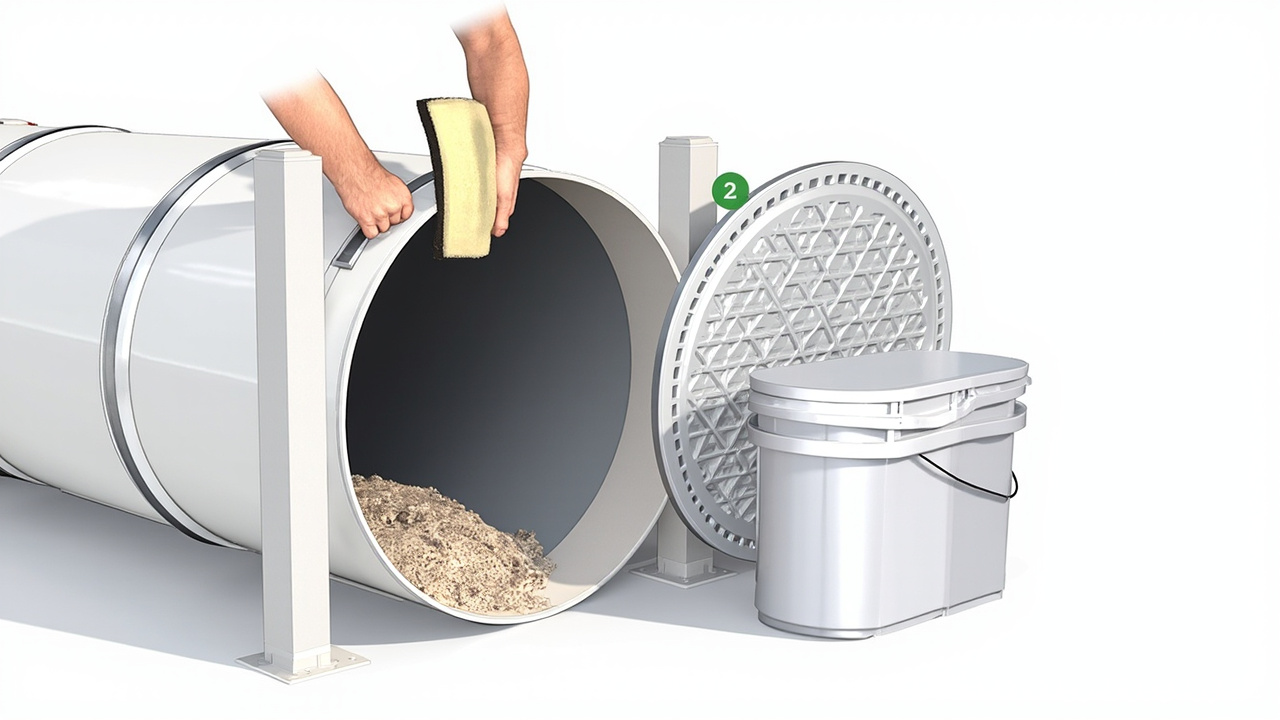
- Put the softener in bypass and disconnect power.
- Scoop out remaining salt into a clean bucket (you can reuse dry pellets).
- Remove the grid plate and float assembly if accessible.
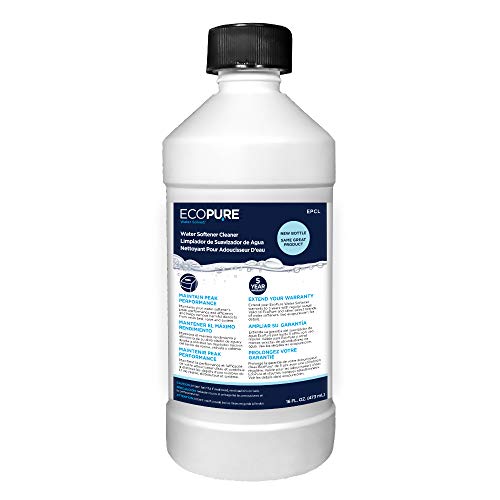
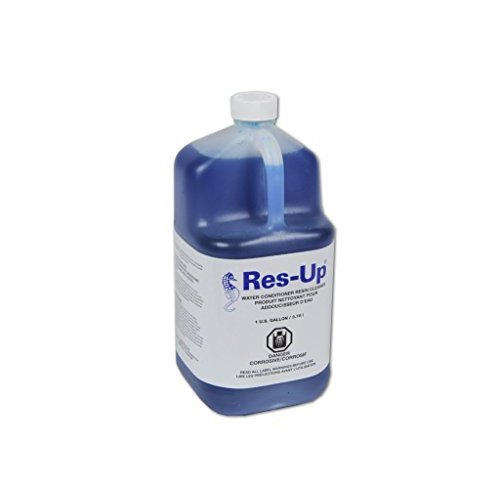
- Wipe the interior with a sponge and warm water. For mineral buildup, use a universal softener cleaner sparingly—follow the product label. For heavier fouling that needs more cycles per dose, Res-Up concentrated cleaner (1 gallon) is the same chemistry in a concentrated format.
- Rinse thoroughly and drain any standing water.
- Reinstall the grid plate and float in their correct positions.
- Refill with salt pellets to the fill line—40 lb salt pellets, 3-pack in a 3-pack of 40-lb bags covers a standard refill.
- Run a manual regeneration to prime the system.
Frequency: Once per year, or whenever salt mushing is detected.
Softener vs filter vs RO (one screen)
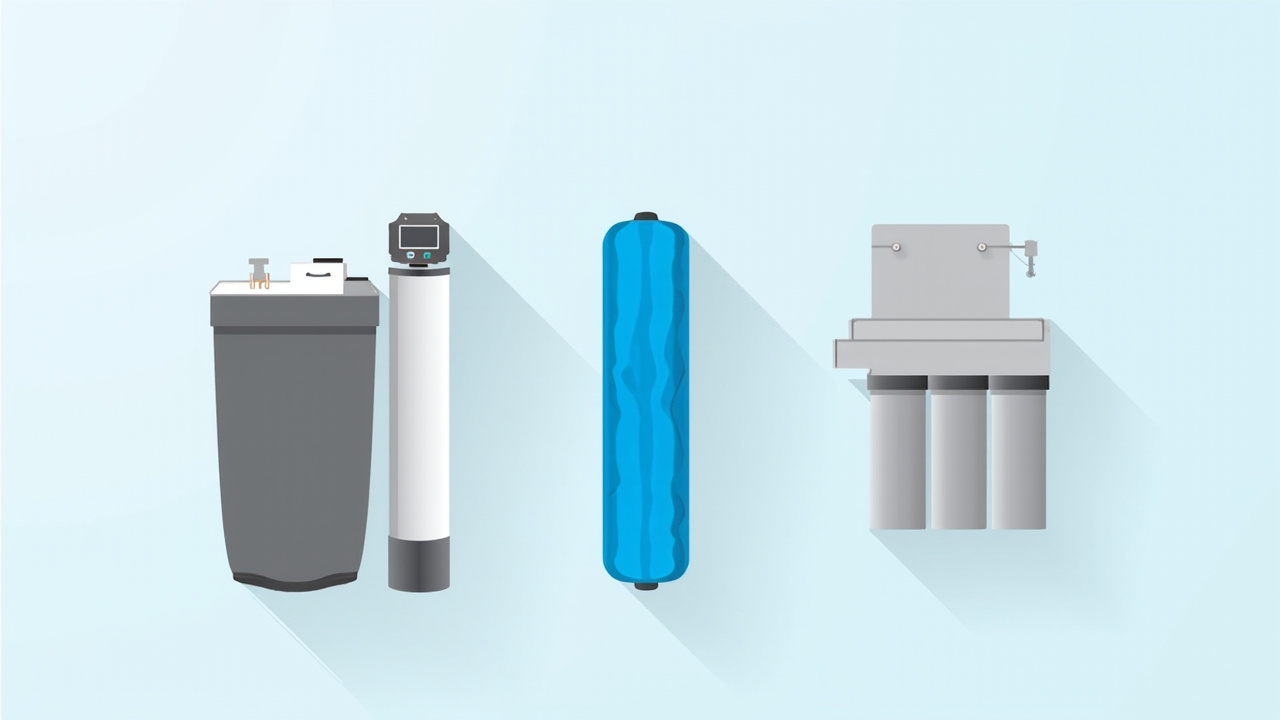
If you opened the brine tank because water “still feels hard” or “tastes off,” make sure you’re blaming the right system:
- Softener (salt): swaps hardness minerals (calcium, magnesium) for sodium—fixes scale, spotting, and soap scum. The brine tank belongs here.
- Whole-house carbon/sediment filter: improves taste, chlorine, and dirt—not softening. A clogged cartridge will not change hardness grains.
- RO (usually under sink): polishes drinking and cooking water—not every shower. RO cannot fix whole-house scale.
Mixing these up is the most common reason a “fixed” softener still has spots. If you want both, how to choose a water softener walks through sizing and pairing.
Salt-free honesty
Salt-free “softeners” are usually conditioners. They may change how scale sticks to pipes; they typically do not bring hardness grains to zero on a test strip. Match the claim to your goal before buying one and expecting a dry brine tank to fix anything.
What you might need (after diagnosis)
Decision gate: The items below are only relevant after you’ve identified the specific failure. Do not buy parts speculatively—the diagnosis tree above should tell you exactly what you need.
Salt refill (after breaking a bridge or emptying for mush)
If you’ve cleared a bridge or emptied the tank for cleaning, refill with the correct salt type. Most standard tall brine tanks use high-purity pellets. 40 lb water softener salt pellets, 3-pack (3 × 40-lb bags) is a practical refill quantity.
For salt type guidance (pellets vs. crystals vs. blocks), see our salt pellets vs. crystals guide.
Resin / brine tank cleaner
If the tank has been neglected for months or shows iron-tinted residue, a universal softener cleaner helps dissolve buildup during the cleaning process. For heavier fouling, Res-Up concentrated cleaner (1 gallon) provides more cycles per dose.
Float valve / safety shut-off assembly
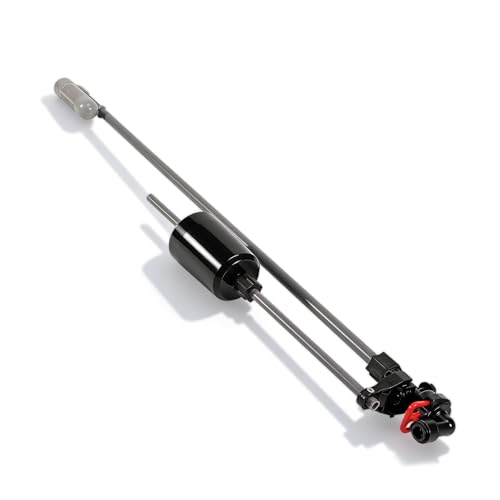
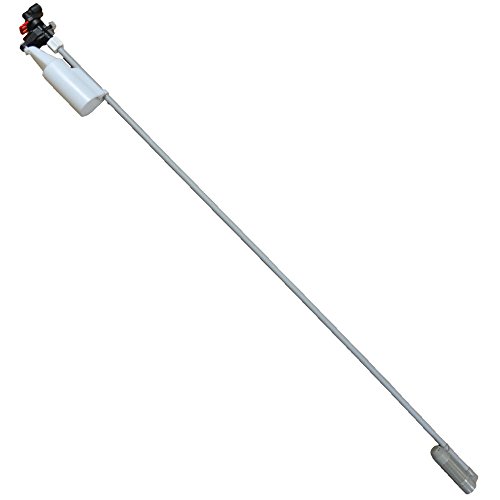
If overflow persists after cleaning the float, the assembly itself may need replacement. For Fleck and Clack valve systems (the most common control head brands), a compatible brine tank safety float is the standard replacement part. For a universal fit with 3/8-inch quick connect, a complete safety shut-off with float and air check covers most non-Fleck brands.
Brine grid plate
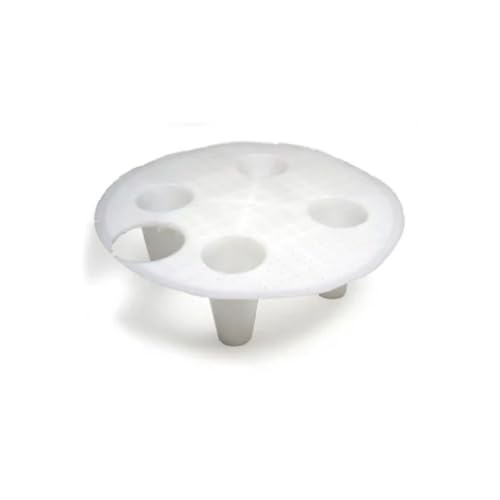
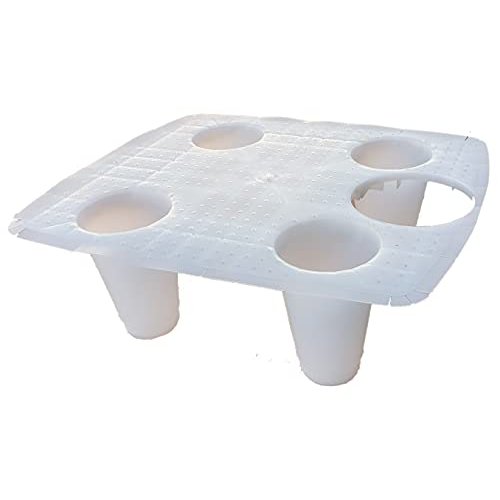
If salt mushing recurs after switching to the correct salt type, the grid plate may be damaged or missing. For 18-inch round brine tanks (18×33 or 18×40), the Nelsen 18-inch grid plate is the standard fit. For smaller 15×17 tanks, the American Water Solutions grid plate matches the common square-footprint cabinet style.
Verify the fix with a hardness test
After any brine tank repair, confirm the softener is actually producing soft water with hardness test kits. A 0–3 gpg reading on the output side means the regeneration is working; anything higher means brine draw is still weak.
Common mistakes
- Adding more salt to fix every problem. Overflow, dry tank, and mushing all have upstream causes (float, injector, salt type). Dumping more 40 lb salt pellets, 3-pack into a failing tank wastes money and makes cleanup harder.
- Using the wrong salt type. Crystals in a pellet-designed tank mush faster. Pellets in a crystal-designed cabinet can bridge. Check the manual and stick to one type—see our salt pellets vs. crystals comparison.
- Ignoring the grid plate. If the grid plate is missing or broken, salt sits directly in standing water and turns to mush within weeks. For a standard 18-inch tank, a Nelsen 18-inch grid plate is the standard fit; for 15×17 cabinets use the American Water Solutions grid plate. This is the #1 cause of recurring mushing.
- Not cleaning the tank annually. Sediment, iron residue, and salt impurities accumulate at the bottom. After 12+ months, the sludge blocks brine draw even with correct salt. A once-yearly dose of universal softener cleaner dissolves most of this buildup before it becomes a blockage.
- Assuming overflow means a new softener. 90% of overflow cases are a $30–70 Fleck/Clack float replacement, not a whole-unit failure. Diagnose before you buy.
When to call a pro
Keep DIY if: testing hardness, breaking a salt bridge, cleaning the tank, adding salt, replacing a float or grid plate on an existing housing.
Call a licensed plumber if:
- The control head does not respond to manual regeneration commands (internal valve or motor failure).
- You smell burnt plastic or electronics near the valve head.
- Water leaks from the brine line fittings under pressure after you’ve tightened them.
- Overflow continues after replacing the float and cleaning the injector—this points to a control head timer or sensor failure.
- You are not comfortable shutting off main water supply or working with plumbing fittings.
For control-head failures, see our companion guide on water softener not regenerating. We do not rank local installation companies or publish city-specific landing pages.
Safety notes
- Shut off water to the softener (or engage bypass) before removing any brine tank components. The brine line is under system pressure.
- Disconnect power before opening the control head or touching wiring.
- Never mix salt with chemical cleaners inside the tank. Use only products labeled for water softener brine tanks.
- Wear gloves when cleaning—the brine solution is concentrated salt water and can irritate skin.
- Keep children and pets away from open brine tanks. The salt concentration is harmful if ingested.
Related
- How water softeners work — explains the regeneration cycle and where the brine tank fits
- Water softener not regenerating — sister troubleshoot for control-head and valve diagnosis
- Salt pellets vs. crystals — choosing the right salt to prevent bridges and mushing
- Water hardness — understanding the load your softener handles
- Hardness test kits — verify soft water output after fixing brine tank issues
Key takeaways
- A normal brine tank has salt above a shallow brine pool—it should never overflow or run bone-dry between cycles.
- The five core problems are overflow, salt bridge, salt mushing, low brine, and dry tank—each has a distinct diagnostic path.
- Start with the float and salt level before buying any parts.
- Salt bridges break with a broom handle; salt mushing requires emptying and cleaning the tank. Refill with high-purity 40 lb salt pellets, 3-pack afterward.
- Grid plate condition determines whether mushing recurs—check it every time you clean.
- 90% of overflow cases need a float replacement, not a new softener.
- Annual tank cleaning prevents most recurring brine problems.